 September 2023 in “Frontiers in medicine”
 The mTOR signaling pathway is crucial for hair health and targeting it may lead to new hair loss treatments.

The study concluded that Frontal fibrosing alopecia can affect younger people, is often missed in men, and may be autoimmune-related.
January 2023 in “Dermatologic Therapy” Intralesional corticosteroids and 5-alpha-reductase inhibitors are the best treatments for frontal fibrosing alopecia.

A rare case of a woman having both lichen planus pigmentosus and classic lichen planopilaris at the same time.
 March 2026 in “Frontiers in Medicine”
 Different types of alopecia cause hair loss due to immune system issues, with some allowing regrowth and others causing permanent loss.
 60 citations
,
April 2018 in “Clinical, cosmetic and investigational dermatology”
60 citations
,
April 2018 in “Clinical, cosmetic and investigational dermatology” Tight hairstyles and chemical relaxers can cause hair loss known as traction alopecia.
 38 citations
,
February 2019 in “Clinical Interventions in Aging”
38 citations
,
February 2019 in “Clinical Interventions in Aging” Dutasteride more effectively treats hair loss than finasteride, but may increase risk of altered libido.
April 2025 in “International Journal of Dermatology” Renaming frontal fibrosing alopecia to a syndrome could improve diagnosis and treatment.
 January 2022 in “Przegla̧d dermatologiczny”
 The exact cause of frontal fibrosing alopecia is unknown, but it's not likely due to sunscreen.
March 2005 in “Journal of the American Academy of Dermatology” Cosmetic treatments can replenish key amino acids in damaged hair, improving its strength and appearance.
 6 citations
,
August 2020 in “Clinical case reports”
6 citations
,
August 2020 in “Clinical case reports” Isotretinoin was not effective in treating facial lichen planopilaris.
 7 citations
,
January 2015 in “Case reports in endocrinology”
7 citations
,
January 2015 in “Case reports in endocrinology” The document concludes that HAIR-AN syndrome should be considered when a patient shows severe hyperandrogenism and insulin resistance after excluding tumors.
 3 citations
,
March 2018 in “BMC Cancer”
3 citations
,
March 2018 in “BMC Cancer” Baldness, especially at the front, may lower the risk of testicular cancer by 31%, but its link to prostate cancer is unclear.
 3 citations
,
January 2015 in “Evidence-based Complementary and Alternative Medicine”
3 citations
,
January 2015 in “Evidence-based Complementary and Alternative Medicine” Pumpkin seed oil may help hair growth, but more research needed on frontal hair loss and long-term effects.
 February 2025 in “The Open Dermatology Journal”
 Many COVID-19 survivors, especially women, experience hair loss and skin color changes, needing specific post-recovery care.
October 2024 in “Benha Journal of Applied Sciences” Frontal fibrosing alopecia is a complex condition with no definitive treatment.
 September 2021 in “Clinical research in dermatology”
 5-Alpha-Reductase inhibitors might help slow down hair loss in Frontal Fibrosing Alopecia but are not a primary treatment and need more research.
The document concludes that diagnosing female hair loss requires careful examination, with treatments varying by condition and psychological support often necessary.
 January 2011 in “Journal für Kardiologie (Krause & Pachernegg GmbH)”
 Postmenopausal women often experience hair loss on the scalp and increased facial hair, but iron supplements may not help.
 22 citations
,
October 2020 in “Anais Brasileiros de Dermatologia”
22 citations
,
October 2020 in “Anais Brasileiros de Dermatologia” The Brazilian Society of Dermatology agrees that oral isotretinoin is effective for acne and other skin conditions, and it's safe when monitored, but more research is needed on dosing and duration.
 5 citations
,
September 2021 in “Journal of The American Academy of Dermatology”
5 citations
,
September 2021 in “Journal of The American Academy of Dermatology” Most men with Frontal fibrosing alopecia also lose facial hair and the condition may be linked to hormone levels and sunscreen use.
 4 citations
,
January 2021 in “Postępy Dermatologii i Alergologii”
4 citations
,
January 2021 in “Postępy Dermatologii i Alergologii” Hydroxychloroquine can help treat certain types of hair loss.
 4 citations
,
January 2019 in “Acta dermato-venereologica”
4 citations
,
January 2019 in “Acta dermato-venereologica” Women with severe frontal fibrosing alopecia are more likely to have rosacea.
 2 citations
,
February 2021 in “Endocrinology, diabetes & metabolism case reports”
2 citations
,
February 2021 in “Endocrinology, diabetes & metabolism case reports” A teenage girl had both a rare ovarian tumor and a severe form of polycystic ovarian syndrome.
 1 citations
,
July 2021 in “Anais Brasileiros de Dermatologia”
1 citations
,
July 2021 in “Anais Brasileiros de Dermatologia” The conclusion is that three signs can help diagnose hair loss after it happens, potentially avoiding more invasive tests.
 1 citations
,
January 2019 in “Acta dermato-venereologica”
1 citations
,
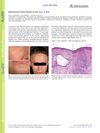
January 2019 in “Acta dermato-venereologica” The woman's skin and hair symptoms were confirmed as frontal fibrosing alopecia, and while facial papules are common in such cases, there's no effective local treatment, but systemic treatments can help.
 1 citations
,
July 2018 in “Journal of dermatology & cosmetology”
1 citations
,
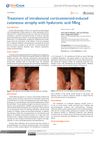
July 2018 in “Journal of dermatology & cosmetology” Hyaluronic acid successfully treated skin atrophy caused by corticosteroid injections.
 1 citations
,
April 2018 in “Lasers in Surgery and Medicine”
1 citations
,
April 2018 in “Lasers in Surgery and Medicine” New treatments and technologies in laser medicine show promise for improving skin conditions, fat reduction, cancer treatment, wound healing, and hair restoration.
 June 2026 in “Journal of Cutaneous and Aesthetic Surgery”
 Recipient site scalp necrosis in hair transplantation is linked to microvascular injury and regional vascular vulnerability, especially in the frontal and mid-scalp areas.
April 2025 in “Australasian Journal of Dermatology” Daughters with affected mothers may develop frontal fibrosing alopecia early.