 2 citations
,
June 2022 in “International Journal of Biomedicine”
2 citations
,
June 2022 in “International Journal of Biomedicine” The review suggests a comprehensive approach to treat hirsutism, focusing on hair removal, medication, and managing emotional effects.

Prescription and alternative therapies for hair loss will be compared for effectiveness.
 1 citations
,
October 2018 in “InTech eBooks”
1 citations
,
October 2018 in “InTech eBooks” Only minoxidil and finasteride are FDA-approved for hair loss, with other treatments available but less effective or with side effects.
 1 citations
,
January 2011
1 citations
,
January 2011 The document concludes that androgenetic alopecia is common, has a genetic link, and can be diagnosed and treated with medications like finasteride and minoxidil.
 January 2026 in “Ciencia Latina Revista Científica Multidisciplinar”
 Exosomes helped regrow hair in a 14-year-old with difficult-to-treat alopecia.

Nanotechnology can improve alopecia treatments but faces stability challenges.
 July 2018 in “Elsevier eBooks”
 New hair loss treatments show promise, but more research is needed to confirm their effectiveness.
 November 2009 in “Cambridge University Press eBooks”
 Minoxidil and finasteride combined can effectively treat hair loss.
 June 2001 in “International Journal of Cosmetic Surgery and Aesthetic Dermatology”
 Finasteride improves hair growth in men with androgenetic alopecia.
 96 citations
,
September 2008 in “Seminars in Cutaneous Medicine and Surgery”
96 citations
,
September 2008 in “Seminars in Cutaneous Medicine and Surgery” Hormonal treatments, including birth control and antiandrogens, can effectively treat acne in women.
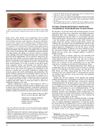 16 citations
,
August 2011 in “Annals of Allergy Asthma & Immunology”
16 citations
,
August 2011 in “Annals of Allergy Asthma & Immunology” A woman with severe angioedema improved significantly after treatment with rituximab.
 100 citations
,
April 2010 in “Expert Opinion on Pharmacotherapy”
100 citations
,
April 2010 in “Expert Opinion on Pharmacotherapy” Hair loss in men treated best with early medication or transplant, new treatments researched.
 61 citations
,
January 2019 in “American Journal of Clinical Dermatology”
61 citations
,
January 2019 in “American Journal of Clinical Dermatology” The cause of Frontal Fibrosing Alopecia is unclear, diagnosis involves clinical evaluation and various treatments exist, but their effectiveness is uncertain.
 25 citations
,
December 2017 in “Facial Plastic Surgery”
25 citations
,
December 2017 in “Facial Plastic Surgery” Combination therapy with steroids and pimecrolimus improved or stabilized hair loss in most patients with Frontal Fibrosing Alopecia, who also had a high rate of hypothyroidism.
 20 citations
,
January 2018 in “Expert Opinion on Drug Safety”
20 citations
,
January 2018 in “Expert Opinion on Drug Safety” Personalized treatment with inhibitors, minoxidil, and laser therapy helps hair loss.
 16 citations
,
June 2021 in “Journal of Dermatological Treatment”
16 citations
,
June 2021 in “Journal of Dermatological Treatment” Minoxidil effectively treats hair loss, especially androgenetic alopecia, but needs more research for better understanding.
 9 citations
,
July 2020 in “Journal of Dermatology”
9 citations
,
July 2020 in “Journal of Dermatology” Asian patients with Frontal Fibrosing Alopecia often lose eyebrow hair and respond well to combined antiandrogen or antimalarial and topical treatments.
 7 citations
,
March 2017 in “Actas Dermo-Sifiliográficas”
7 citations
,
March 2017 in “Actas Dermo-Sifiliográficas” Several new treatments for different types of hair loss show promise in improving patient quality of life.
 1 citations
,
August 2015 in “Current Sexual Health Reports”
1 citations
,
August 2015 in “Current Sexual Health Reports” 5α-reductase inhibitors can cause serious and possibly lasting sexual and psychological side effects.
 April 2026 in “Brazilian Journal of Hair Health”
 Combining exosomes with microneedling may improve hair growth in androgenetic alopecia.
 February 2026 in “Revista Eletrônica Polidisciplinar Voos.”
 A balanced approach using dutasteride and Serenoa repens can improve hair transplant success by protecting follicles and minimizing side effects.
 October 2025 in “Frontiers in Medicine”
 The minoxidil-finasteride combination is more effective for hair growth than minoxidil alone.
 July 2024 in “Open Repository of the University of Porto (University of Porto)”
 Dutasteride is more effective than finasteride for hair growth, and pregabalin effectively treats neuropathic pain.
 June 2023 in “Journal of chemical metrology”
 A new method found unlisted drugs in two popular hair serums, posing a health risk.
 March 2018 in “Dermatología Argentina”
 The study found that the average age of women diagnosed with Frontal Fibrosing Alopecia in Argentina is higher than in other countries, but their symptoms are similar.
 22 citations
,
August 2014 in “Clinical endocrinology”
22 citations
,
August 2014 in “Clinical endocrinology” Taking finasteride for benign prostate hyperplasia may increase the risk of osteoporosis, especially at higher doses.
 3 citations
,
January 2001 in “Cambridge University Press eBooks”
3 citations
,
January 2001 in “Cambridge University Press eBooks” Finasteride effectively treats hair loss and enlarged prostate in men, with mild side effects.
 March 2026 in “Editora Pasteur eBooks”
 Hair health is affected by various conditions and requires personalized treatment.
 339 citations
,
February 2014 in “Journal of The American Academy of Dermatology”
339 citations
,
February 2014 in “Journal of The American Academy of Dermatology” Most patients with frontal fibrosing alopecia are postmenopausal women, and treatments like finasteride and dutasteride can improve or stabilize the condition.
 166 citations
,
April 2012 in “Journal of The American Academy of Dermatology”
166 citations
,
April 2012 in “Journal of The American Academy of Dermatology” Mostly postmenopausal Caucasian women get Frontal Fibrosing Alopecia, which often includes eyebrow loss and has limited treatment success.