 28 citations
,
May 1994 in “The Journal of Urology”
28 citations
,
May 1994 in “The Journal of Urology” Topical minoxidil not effective for erectile dysfunction treatment.
 101 citations
,
November 1992 in “Archives of Dermatology”
101 citations
,
November 1992 in “Archives of Dermatology” Steroids help hair regrowth, and minoxidil slows post-steroid hair loss, but effects are temporary.
 80 citations
,
October 1983 in “BMJ”
80 citations
,
October 1983 in “BMJ” Minoxidil helps hair regrowth in alopecia patients, with 16 having good results and no side effects.
 38 citations
,
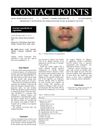
June 2005 in “Contact Dermatitis”
38 citations
,
June 2005 in “Contact Dermatitis” Patient had scalp allergy from minoxidil; test helped identify cause and suggest alternative treatments.
 30 citations
,
April 1990 in “Clinical Pharmacology & Therapeutics”
30 citations
,
April 1990 in “Clinical Pharmacology & Therapeutics” Tretinoin cream boosts minoxidil absorption, possibly improving hair loss treatment.
 29 citations
,
April 2019 in “Lasers in Medical Science”
29 citations
,
April 2019 in “Lasers in Medical Science” Laser and minoxidil combo promotes better hair growth than minoxidil alone, safely.
 29 citations
,
July 2009 in “Journal of Dermatology”
29 citations
,
July 2009 in “Journal of Dermatology” 5% minoxidil works better for hair growth than 1% minoxidil.
 22 citations
,
October 2019 in “Dermatologic Surgery”
22 citations
,
October 2019 in “Dermatologic Surgery” Both Platelet-Rich Plasma and Minoxidil foam increase hair count in women with hair loss, but Minoxidil is more effective. However, women were more satisfied with Platelet-Rich Plasma treatment.
 20 citations
,
January 2009 in “International Journal of Dermatology”
20 citations
,
January 2009 in “International Journal of Dermatology” Hair loss in Clouston's syndrome improved with minoxidil and tretinoin treatment.
 17 citations
,
November 2002 in “Australasian Journal of Dermatology”
17 citations
,
November 2002 in “Australasian Journal of Dermatology” Saw palmetto causes allergic reaction, minoxidil causes skin irritation; use cautiously for hair loss.
 16 citations
,
March 2009 in “Skin Pharmacology and Physiology”
16 citations
,
March 2009 in “Skin Pharmacology and Physiology” SEPA™ enhances the effectiveness of minoxidil in stimulating hair growth, working faster and better than Rogaine® TS, with no significant side effects.
 15 citations
,
January 2000 in “Dermatology”
15 citations
,
January 2000 in “Dermatology” Minoxidil use may cause skin pigmentation loss.
 14 citations
,
January 2007 in “Journal of Dermatological Treatment”
14 citations
,
January 2007 in “Journal of Dermatological Treatment” Minoxidil solution had low effect, causing 99% to stop using it.
 11 citations
,
January 1987 in “Dermatology”
11 citations
,
January 1987 in “Dermatology” Minoxidil works for 56% of balding men with specific criteria.
 9 citations
,
September 2011 in “Cutaneous and Ocular Toxicology”
9 citations
,
September 2011 in “Cutaneous and Ocular Toxicology” Using 2% minoxidil for baldness treatment might cause vision distortion due to fluid build-up under the retina.
 8 citations
,
May 1987 in “Journal of The American Academy of Dermatology”
8 citations
,
May 1987 in “Journal of The American Academy of Dermatology” UV light does not significantly affect minoxidil's ability to treat male pattern baldness.
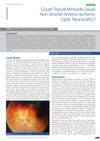 6 citations
,
January 2016 in “Journal of Clinical and Diagnostic Research”
6 citations
,
January 2016 in “Journal of Clinical and Diagnostic Research” Topical minoxidil might potentially cause vision problems, but more research is needed.
 2 citations
,
November 2017 in “Journal of Cosmetic and Laser Therapy”
2 citations
,
November 2017 in “Journal of Cosmetic and Laser Therapy” JetPeel-assisted minoxidil improves hair density and thickness more than minoxidil alone.
 April 2019 in “Journal of Investigative Dermatology”
 The research found that certain characteristics like age, sex, race, marital status, and education level can influence whether alopecia patients stick to their hair loss treatment with topical minoxidil.
 January 2015 in “Przegla̧d dermatologiczny”
 Intralesional triamcinolone is the most effective treatment for alopecia areata, followed by excimer light therapy, and then topical minoxidil. The scalp responds better to treatment than the beard area.
 February 2026 in “Scientific Reports”
 The gel is safe and effective for treating oral mucositis from chemotherapy and radiation.
 24 citations
,
February 1987 in “Drugs”
24 citations
,
February 1987 in “Drugs” Minoxidil promotes hair regrowth, but more research needed for effectiveness and response factors.
 51 citations
,
March 1987 in “Journal of The American Academy of Dermatology”
51 citations
,
March 1987 in “Journal of The American Academy of Dermatology” Minoxidil keeps most hair growth from first year and twice-daily use is better with few side effects.
 104 citations
,
March 1987 in “Journal of The American Academy of Dermatology”
104 citations
,
March 1987 in “Journal of The American Academy of Dermatology” Minoxidil helps hair growth in 63.6% of alopecia patients, with 27.3% having excellent results.
 57 citations
,
July 1987 in “Journal of The American Academy of Dermatology”
57 citations
,
July 1987 in “Journal of The American Academy of Dermatology” Stopping minoxidil treatment resumes balding; continuous use needed for results.
 56 citations
,
August 1981 in “Journal of The American Academy of Dermatology”
56 citations
,
August 1981 in “Journal of The American Academy of Dermatology” Minoxidil helps hair regrowth in alopecia areata safely.
 54 citations
,
February 1986 in “Archives of Dermatology”
54 citations
,
February 1986 in “Archives of Dermatology” Higher minoxidil concentration (5%) works better for severe hair loss, with most patients seeing regrowth in 48-60 weeks.
 34 citations
,
January 1987 in “Dermatology”
34 citations
,
January 1987 in “Dermatology” Topical minoxidil effectively and safely treats extensive alopecia areata but doesn't change its course.
 22 citations
,
May 2013 in “Experimental and Therapeutic Medicine”
22 citations
,
May 2013 in “Experimental and Therapeutic Medicine” Minoxidil improves quality of life for women with hair loss.
 19 citations
,
January 2015 in “Skin Pharmacology and Physiology”
19 citations
,
January 2015 in “Skin Pharmacology and Physiology” Minoxidil foam effectively promotes hair growth and reduces hair loss in men.