 10 citations
,
January 2003 in “Journal der Deutschen Dermatologischen Gesellschaft”
10 citations
,
January 2003 in “Journal der Deutschen Dermatologischen Gesellschaft” Hydroxychloroquine helped improve scleromyxoedema in patients, but caused side effects in some.
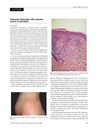 9 citations
,
July 2002 in “Journal of the European Academy of Dermatology and Venereology”
9 citations
,
July 2002 in “Journal of the European Academy of Dermatology and Venereology” The document concludes that fexofenadine reduces inflammation in chronic hives, cholestyramine helps half of pregnant women with itchy rashes, and relaxing incisions are a good alternative in facial surgery for the elderly.
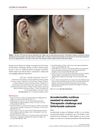 6 citations
,
June 2008 in “Journal of the European Academy of Dermatology and Venereology”
6 citations
,
June 2008 in “Journal of the European Academy of Dermatology and Venereology” A man with Acrodermatitis continua did not get better with etanercept treatment, and his condition worsened, suggesting treatment effectiveness may vary by genetics and race.
 5 citations
,
January 2018 in “PubMed”
5 citations
,
January 2018 in “PubMed” Biodegradable microneedle patches help topical steroids work better for prurigo nodularis.
 5 citations
,
June 2015 in “Journal of dermatology”
5 citations
,
June 2015 in “Journal of dermatology” A woman and her daughter had thallium poisoning from a herbal drink and rodenticide, causing hair loss and other symptoms.
 5 citations
,
October 2013 in “Veterinary Clinics of North America: Equine Practice”
5 citations
,
October 2013 in “Veterinary Clinics of North America: Equine Practice” Some horses lose hair without inflammation or itching due to various conditions, and while mainly a cosmetic issue, diagnosis requires examination and biopsies, and breeding is not advised if it's hereditary.
 4 citations
,
November 2011 in “Archives of Dermatology”
4 citations
,
November 2011 in “Archives of Dermatology” Hamilton scale imprecise, hair shaft diameter decreases, stem cell transplant regrows hair, ECP ineffective for alopecia areata universalis.
 3 citations
,
May 2023 in “Frontiers in immunology”
3 citations
,
May 2023 in “Frontiers in immunology” Faulty inflammasome activation may lead to autoimmune skin diseases and could be a target for new treatments.
 2 citations
,
February 2017 in “International Journal of Molecular Sciences”
2 citations
,
February 2017 in “International Journal of Molecular Sciences” Erdr1 could be a new marker for diagnosing hair loss.
 2 citations
,
March 2015 in “Expert opinion on orphan drugs”
2 citations
,
March 2015 in “Expert opinion on orphan drugs” New treatments for hair loss show promise but need more research to confirm safety and effectiveness.
 1 citations
,
January 2025 in “Frontiers in Immunology”
1 citations
,
January 2025 in “Frontiers in Immunology” Genetically at-risk healthy people show similar immune issues as those with Pemphigus vulgaris or Alopecia areata.
 1 citations
,
June 2010 in “Expert Review of Dermatology”
1 citations
,
June 2010 in “Expert Review of Dermatology” Covers common skin issues in kids, their diagnosis, treatment, and need for specialist care.
 1 citations
,
April 2010 in “Expert Review of Dermatology”
1 citations
,
April 2010 in “Expert Review of Dermatology” The document concludes that early diagnosis and treatment are crucial for managing rare hair loss disorders and that more research is needed to improve treatment strategies.
 July 2025 in “Pharmaceutical Sciences & Analytical Research Journal”
 Herbal treatments for hair loss show promise but need more research to confirm their safety and effectiveness.
Herbal therapies for alopecia show promise but need more research for safety and effectiveness.
 October 2024 in “Journal of Education Health and Sport”
 Alopecia areata treatment should be personalized, using topical or systemic therapies based on severity, with promising options like JAK inhibitors needing more research.
 June 2023 in “International Journal of Clinical Research and Reports”
 Method B with propylene glycol is better for stable low-concentration DPCP solutions for alopecia areata.
 March 2022 in “Nepal Journal of Dermatology Venereology & Leprology”
 Methotrexate with steroids is slightly more effective than azathioprine with steroids for treating severe alopecia areata.
 February 2021 in “Journal of pharmaceutical and biological sciences”
 No cure exists for alopecia areata, and treatments are personalized.
 January 2019 in “Elsevier eBooks”
 Different hair disorders have specific treatments and outcomes, with some resolving on their own and others requiring medication or emotional support.
 July 2016 in “American Journal of Dermatopathology”
 The meeting showcased rare skin disease cases, highlighting the need for accurate diagnosis and treatment.
 January 2016 in “Springer eBooks”
 Alopecia Areata is an unpredictable autoimmune hair loss condition with limited and variable treatment effectiveness.

Alopecia areata is an autoimmune disease affecting hair follicles and may harm heart health.
 November 2012 in “South African Family Practice”
 The article concludes that early treatment of alopecia is crucial to prevent permanent hair loss.
 February 2010 in “Journal of The American Academy of Dermatology”
 The study concluded that patients with total hair loss and recurring hair loss had an earlier onset, longer-lasting condition, and a greater negative impact on their quality of life, with allergic conditions linked to more severe hair loss.
 February 2010 in “Journal of The American Academy of Dermatology”
 Alopecia areata has different forms and can significantly affect quality of life, especially in more severe cases.
 February 2010 in “Journal of The American Academy of Dermatology”
 Babies born after 38 weeks to mothers under 36 years old and not delivered by C-section have a higher risk of neonatal occipital alopecia.
 August 2009 in “Expert Review of Dermatology”
 Pregnancy can cause skin changes and conditions that need correct diagnosis and treatment for the health of the mother and baby.
 January 2005 in “Elektronische Hochschulschriften der LMU München (Ludwig-Maximilians-Universität München)”
 Topical immunotherapy with DPCP is most effective for certain alopecia areata types, with success linked to age and disease duration, and influenced by a gene polymorphism.
 12 citations
,
November 2022 in “Archives of Dermatological Research”
12 citations
,
November 2022 in “Archives of Dermatological Research” COVID-19 can directly trigger certain skin conditions like pustular dermatoses due to an inflammatory response.