9 citations
,
July 2022 in “British Journal of Pharmacology” Blocking the mineralocorticoid receptor improves wound healing by reducing inflammation and promoting blood vessel growth.
 1 citations
,
January 2023 in “Przegląd Dermatologiczny”
1 citations
,
January 2023 in “Przegląd Dermatologiczny” The Polish Society of Dermatology recommends treatments for alopecia areata that vary by severity, including topical and systemic medications, with long-term maintenance important for management.
 July 2025 in “Journal of Dermatology Research Reviews & Reports”
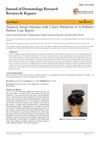
 A 10-year-old girl with hair and eyelash loss showed significant regrowth after treatment.
 118 citations
,
September 2004 in “Clinics in Dermatology”
118 citations
,
September 2004 in “Clinics in Dermatology” Hormones, especially androgens, play a big role in acne, but most acne sufferers don't have a hormone disorder. Hormonal treatments, including birth control pills, can be very effective for women whose acne doesn't improve with regular treatments.
 41 citations
,
April 2010 in “Gender Medicine”
41 citations
,
April 2010 in “Gender Medicine” The conclusion is that hirsutism should be diagnosed and treated because it affects quality of life and may signal other health problems.
 144 citations
,
September 2006 in “Clinics in Dermatology”
144 citations
,
September 2006 in “Clinics in Dermatology” Lupus affects the body and skin, causing joint pain and skin issues that can be treated with steroids and antimalarial drugs.
 121 citations
,
April 2008 in “The Journal of Clinical Endocrinology & Metabolism”
121 citations
,
April 2008 in “The Journal of Clinical Endocrinology & Metabolism” Insulin sensitizers may slightly reduce hirsutism but are less effective than other treatments.
 103 citations
,
June 2006 in “British journal of sports medicine”
103 citations
,
June 2006 in “British journal of sports medicine” The document concludes that better biomarkers are needed to detect long-term oral testosterone use in athletes.
 96 citations
,
September 2008 in “Seminars in Cutaneous Medicine and Surgery”
96 citations
,
September 2008 in “Seminars in Cutaneous Medicine and Surgery” Hormonal treatments, including birth control and antiandrogens, can effectively treat acne in women.
 60 citations
,
March 2014 in “Veterinary dermatology”
60 citations
,
March 2014 in “Veterinary dermatology” Cats with atopic dermatitis often have severe, year-round itching and respond well to certain treatments.
 52 citations
,
October 2016 in “Clinics in Dermatology”
52 citations
,
October 2016 in “Clinics in Dermatology” Some medications can cause acne, and stopping these drugs is the main treatment.
 52 citations
,
June 1999 in “Endocrinology and Metabolism Clinics of North America”
52 citations
,
June 1999 in “Endocrinology and Metabolism Clinics of North America” Antiandrogen treatments combined with oral contraceptives can help manage hair growth and hair loss in women with PCOS.
 43 citations
,
September 2012 in “International Journal of Dermatology”
43 citations
,
September 2012 in “International Journal of Dermatology” Hormonal therapies are safe and effective for treating adult women's acne.
 42 citations
,
February 1985 in “Journal of the American Academy of Dermatology”
42 citations
,
February 1985 in “Journal of the American Academy of Dermatology” Excessive hair growth can be assessed by history, exam, and blood tests, and treated with medication like dexamethasone, birth control pills, and spironolactone.
 34 citations
,
January 2011 in “Fundamental & Clinical Pharmacology”
34 citations
,
January 2011 in “Fundamental & Clinical Pharmacology” New treatments for PCOS show promise, but no current medication treats all aspects of the condition.
 33 citations
,
September 2008 in “Dermatologic therapy”
33 citations
,
September 2008 in “Dermatologic therapy” Doctors should know how to diagnose and treat PCOS, which often involves checking for high male hormone levels and using medications to manage symptoms.
 31 citations
,
June 2015 in “British Journal of Dermatology”
31 citations
,
June 2015 in “British Journal of Dermatology” Hormonal treatments are effective as a second-line option for moderate-to-severe acne in females, but should be used with caution due to health risks.
 30 citations
,
December 2001 in “Journal of The European Academy of Dermatology and Venereology”
30 citations
,
December 2001 in “Journal of The European Academy of Dermatology and Venereology” Hormonal therapy is a good option for women with severe acne, especially when there's a chance of hormone imbalance.
 29 citations
,
February 2017 in “International Journal of Women's Dermatology”
29 citations
,
February 2017 in “International Journal of Women's Dermatology” Women with excessive male-pattern hair growth should get a full hormone check-up to find and treat any underlying issues, considering both medical and emotional aspects.
 27 citations
,
January 2015 in “Current problems in dermatology”
27 citations
,
January 2015 in “Current problems in dermatology” The document concludes that primary scarring alopecias cause permanent hair loss, have unpredictable outcomes, and lack definitive treatments, requiring personalized care.
 26 citations
,
March 2014 in “Arquivos Brasileiros De Endocrinologia E Metabologia”
26 citations
,
March 2014 in “Arquivos Brasileiros De Endocrinologia E Metabologia” The document concludes that proper diagnosis and combined treatments are key for hirsutism management, and weight loss may help overweight patients.
 22 citations
,
January 2002 in “Treatments in endocrinology”
22 citations
,
January 2002 in “Treatments in endocrinology” Birth control pills help treat skin and hair growth problems linked to high male hormone levels.
 19 citations
,
January 1997 in “Dermatologic Clinics”
19 citations
,
January 1997 in “Dermatologic Clinics” Most treatments for hair loss in 1997 were not effective for most people, and maintaining hair growth was difficult.
 18 citations
,
January 2004 in “Dermatologic Clinics”
18 citations
,
January 2004 in “Dermatologic Clinics” Skin problems in older people can indicate hormonal diseases, nutritional deficiencies, or conditions like diabetes, menopause, and HIV.
 17 citations
,
March 2006 in “Journal of Cosmetic Dermatology”
17 citations
,
March 2006 in “Journal of Cosmetic Dermatology” Hormonal changes during and after pregnancy can cause hair growth changes and hair loss, with treatments available for some conditions.
 14 citations
,
January 2012 in “Endocrine development”
14 citations
,
January 2012 in “Endocrine development” The conclusion is that a thorough approach is needed to diagnose and manage hyperandrogenism in teenage girls, recognizing its major psychological and health effects.
 13 citations
,
June 2018 in “Journal of Womens Health”
13 citations
,
June 2018 in “Journal of Womens Health” Combination therapy with oral contraceptives and spironolactone improves hair growth, menstrual issues, and acne in women with PCOS.
 12 citations
,
January 2010 in “Pediatric Health”
12 citations
,
January 2010 in “Pediatric Health” Early treatment and lifestyle changes are important for managing PCOS in young people to prevent long-term health issues.
 10 citations
,
May 1995 in “Journal of General Internal Medicine”
10 citations
,
May 1995 in “Journal of General Internal Medicine” Most women with excessive hair growth have PCOS; treatment varies and focuses on preventing new hair, with electrolysis as the only permanent removal method.
 8 citations
,
January 2003 in “Pharmacotherapy: The Journal of Human Pharmacology and Drug Therapy”
8 citations
,
January 2003 in “Pharmacotherapy: The Journal of Human Pharmacology and Drug Therapy” Chemotherapy may cause recurring hair loss due to an autoimmune response.