 March 1987 in “Journal of The American Academy of Dermatology”
 Oral spironolactone and isotretinoin are effective for treating acne.
 15 citations
,
January 2016 in “Dermatologic Clinics”
15 citations
,
January 2016 in “Dermatologic Clinics” Start acne treatment early to prevent scarring, consider antibiotic resistance, use maintenance therapy, and manage side effects carefully.
 14 citations
,
June 2016 in “Pediatric Dermatology”
14 citations
,
June 2016 in “Pediatric Dermatology” Some congenital hair disorders improve with age and can be managed with treatments like minoxidil, retinoids, supplements, and gentle hair care, but there's no cure.
 29 citations
,
January 2007 in “Dermatologic Clinics”
29 citations
,
January 2007 in “Dermatologic Clinics” Photodynamic Therapy is an effective treatment for mild to severe acne.
 5 citations
,
May 2017 in “Current Opinion in Pediatrics”
5 citations
,
May 2017 in “Current Opinion in Pediatrics” Hormonal therapies are safe and effective for treating acne in female adolescents, with specific treatments for those with endocrine disorders.
 2 citations
,
July 2018 in “Elsevier eBooks”
2 citations
,
July 2018 in “Elsevier eBooks” Some supplements may help with hair loss, but there's not enough strong evidence to recommend them without doctor advice.

Vitamin D is crucial for skin health and managing skin diseases.
 January 1993 in “Side effects of drugs annual”
 Natural products like propolis are causing more skin allergies, and certain skin treatments and medications have various side effects and risks.
 July 1980 in “Journal of The American Academy of Dermatology”
 The conference concluded that understanding hair and nail disorders is important, iron deficiency may be linked to hair loss, and while some treatments for skin conditions are effective, they may have risks and high costs.
 76 citations
,
November 2009 in “Medical Clinics of North America”
76 citations
,
November 2009 in “Medical Clinics of North America” Hormones, especially androgens, play a key role in acne, which can be a symptom of systemic diseases like PCOS and may require targeted treatment.
 72 citations
,
July 2014 in “American journal of clinical dermatology”
72 citations
,
July 2014 in “American journal of clinical dermatology” Some treatments, like corticosteroids and sensitizing agents, can help with alopecia areata, but more high-quality research is needed.
 30 citations
,
December 2001 in “Journal of The European Academy of Dermatology and Venereology”
30 citations
,
December 2001 in “Journal of The European Academy of Dermatology and Venereology” Hormonal therapy is a good option for women with severe acne, especially when there's a chance of hormone imbalance.
 January 2018 in “Elsevier eBooks”
 The document concludes that proper diagnosis and treatment of follicular disorders are crucial, with specific treatments for conditions like acne, drug-induced eruptions, and rosacea.
 January 2017 in “Springer eBooks”
 The document explains various skin conditions and their treatments.
 98 citations
,
May 2008 in “British Journal of Dermatology”
98 citations
,
May 2008 in “British Journal of Dermatology” There are many treatments for permanent hair loss disorders, but their effectiveness varies and there's no clear best option.
 55 citations
,
July 2013 in “Dermatologic therapy”
55 citations
,
July 2013 in “Dermatologic therapy” Some dermatological medications can impair male fertility, so consult a doctor before trying to conceive.
 30 citations
,
April 2007 in “Dermatologic Clinics”
30 citations
,
April 2007 in “Dermatologic Clinics” The document concludes that new treatments are needed to better manage acne and reduce side effects related to current therapies.
 155 citations
,
June 2009 in “International Journal of Dermatology”
155 citations
,
June 2009 in “International Journal of Dermatology” Lichen planus is a skin condition that can resolve on its own, is linked to hepatitis C, and increases the risk of skin cancer.
 124 citations
,
October 2019 in “Frontiers in Immunology”
124 citations
,
October 2019 in “Frontiers in Immunology” Janus kinase inhibitors are promising treatments for autoimmune skin diseases like eczema and psoriasis.
 117 citations
,
March 2013 in “Journal of the European Academy of Dermatology and Venereology”
117 citations
,
March 2013 in “Journal of the European Academy of Dermatology and Venereology” No effective treatment for frontal fibrosing alopecia was found, but oral 5-alpha-reductase inhibitors had the best response; for lichen planopilaris, topical corticosteroids were commonly used but had a high relapse rate.

research Acne
81 citations
,
January 2002 in “American journal of clinical dermatology” Hormonal treatments can help with acne, especially in women, by lowering androgen levels or blocking their effects.
 76 citations
,
January 2007 in “American Journal of Clinical Dermatology”
76 citations
,
January 2007 in “American Journal of Clinical Dermatology” Women with PCOS often have skin problems like excessive hair, acne, hair loss, and dark patches, which can be treated with hormonal and non-hormonal therapies.
 47 citations
,
September 2023 in “Pharmacological Reports”
47 citations
,
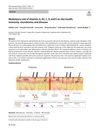
September 2023 in “Pharmacological Reports” Vitamins A, B3, C, D, and E can improve skin health and immunity.
 42 citations
,
August 1999 in “The American journal of pathology”
42 citations
,
August 1999 in “The American journal of pathology” Basal cell carcinomas have much higher levels of Vitamin D3 receptors compared to healthy skin.
 36 citations
,
April 1990 in “Dermatologic Clinics”
36 citations
,
April 1990 in “Dermatologic Clinics” Most pregnant women experience skin changes like darkening and stretch marks, and some may have skin conditions that usually get better after giving birth.
 22 citations
,
January 2002 in “Treatments in endocrinology”
22 citations
,
January 2002 in “Treatments in endocrinology” Birth control pills help treat skin and hair growth problems linked to high male hormone levels.
 19 citations
,
October 2011 in “Clinics in Dermatology”
19 citations
,
October 2011 in “Clinics in Dermatology” New chemotherapy drugs cause skin side effects, but treatments like minocycline and tetracycline can help reduce them.
 16 citations
,
November 2018 in “Singapore Medical Journal”
16 citations
,
November 2018 in “Singapore Medical Journal” Primary care for PCOS focuses on lifestyle changes, medication based on symptoms, and mental health, with diabetes screening and specialist referral for severe cases.
 14 citations
,
October 2019 in “International Journal of Women's Health”
14 citations
,
October 2019 in “International Journal of Women's Health” Menopausal acne is treated with medications and lifestyle changes, but careful choice is needed due to side effects.
 8 citations
,
October 2018 in “Journal of The American Academy of Dermatology”
8 citations
,
October 2018 in “Journal of The American Academy of Dermatology” The review suggests there's no agreed treatment for Frontal Fibrosing Alopecia, but hydroxychloroquine and 5a-reductase inhibitors are most effective. New treatments like platelet-rich plasma and LED light could help if standard treatments fail.