 13 citations
,
January 1995 in “Journal of the American Institute for Conservation”
13 citations
,
January 1995 in “Journal of the American Institute for Conservation” Researchers developed a less damaging way to extract red dyes from wool using EDTA and DMF, preserving the fiber's strength for further analysis.
September 2025 in “OPAL (Open@LaTrobe) (La Trobe University)” The treatments stopped hair regrowth in mice.
 1 citations
,
September 1984 in “Journal of Biological Education”
1 citations
,
September 1984 in “Journal of Biological Education” Plants change their growth in response to shade based on light signals detected by phytochrome.
 November 2022 in “Journal of Investigative Dermatology”
 Blocking mTORC1 activity could increase hair pigmentation and potentially reverse greying.
 February 2024 in “Journal of Cellular and Molecular Medicine”
 A hydrogel releasing pectolinarin speeds up wound healing and reduces scarring.
August 2021 in “Journal of the American Academy of Dermatology” 12 citations
,
May 2023 in “Molecules” Polygoni Cuspidati Rhizoma et Radix contains compounds that inhibit certain enzymes.
December 2025 in “eTheses of Maulana Malik Ibrahim State Islamic University (Maulana Malik Ibrahim State Islamic University)” A traditional plant mix from East Nusa Tenggara boosts hair growth in mice.
July 1999 in “Journal of the American Academy of Dermatology” 7 citations
,
September 2024 in “Journal of Microbiology and Biotechnology” Peperomia pellucida is safe to eat and has strong antioxidant benefits.
15 citations
,
June 2023 in “Journal of Microbiology and Biotechnology” Loliolide from Scenedesmus deserticola may help with anti-aging.
9 citations
,
November 1997 in “British Journal of Dermatology” 39 citations
,
September 2018 in “American Journal of Medical Genetics Part A” A new genetic mutation in the ODC1 gene causes developmental delay and other symptoms in a young girl.
 5 citations
,
February 2019 in “Journal of oceanology and limnology (Online)”
5 citations
,
February 2019 in “Journal of oceanology and limnology (Online)” Ecklonia cava extract can reduce the damage and stress caused by hair dye.
 4 citations
,
January 2014 in “RSC Advances”
4 citations
,
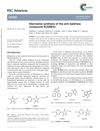
January 2014 in “RSC Advances” A new, less toxic and more efficient method to create the anti-baldness compound RU58841 was developed in 2014.

Cocor Bebek leaf extract may promote hair growth better than minoxidil at high concentrations.
30 citations
,
March 2012 in “Journal of Analytical Toxicology” THCCOOH levels in hair decrease from root to tip and don't match well with self-reported cannabis use.
 May 2026 in “Zenodo (CERN European Organization for Nuclear Research)”
 The herbal mehendi gel safely colors hair naturally while nourishing and protecting the scalp.
 May 2025 in “International Journal Of Science Technology & Management”
 The pomade business is viable with a 1.24 R/C Ratio.
October 2021 in “Scholarworks (University of Massachusetts Amherst)” FERONIA is crucial for plant growth, pollen tube reception, and sugar signaling.
July 2014 in “Americanae (AECID Library)” Tridax procumbens and Ouratea spectabilis can affect other plants' growth and have antioxidant benefits.
 14 citations
,
July 2012 in “Journal of the American Academy of Dermatology”
14 citations
,
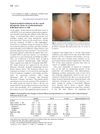
July 2012 in “Journal of the American Academy of Dermatology” Topical tacalcitol ointment can help improve symptoms of EFFC.
 7 citations
,
July 2020 in “Pigment cell & melanoma research”
7 citations
,
July 2020 in “Pigment cell & melanoma research” RT1640 treatment reverses gray hair and promotes hair growth in mice.
13 citations
,
June 2005 in “PubMed” Green tea compounds significantly increased hair regrowth in some mice.
July 2024 in “Journal of Investigative Dermatology” OR101 may effectively treat atopic dermatitis and similar skin conditions.
36 citations
,
February 1998 in “Journal of Anatomy” Fibre optic confocal imaging can visualize skin layers, blood vessels, and nerves in live mice.
3 citations
,
August 2024 in “Cosmetics” A botanical extract blend improved skin and scalp health in women working outdoors.
11 citations
,
January 2016 in “Evidence-based Complementary and Alternative Medicine” Rice bran extract can increase melanin production and may help treat melanin deficiency.
15 citations
,
February 2011 in “Experimental Dermatology” Betamethasone dipropionate reduced skin thickness, fish oil increased it, and combined treatment had no significant effect.
The herbal hair dye using Platycladus orientalis effectively prevents hair loss, covers gray, and is gentle and safe for all ages.