
Kombucha tea extract may protect skin from damage in hot and humid conditions.
 April 2023 in “Journal of Investigative Dermatology”
 Sunlight simulation causes skin inflammation, with different skin types reacting at different levels of exposure.
21 citations
,
February 2015 in “Clinical Cosmetic and Investigational Dermatology” Keloids may be influenced by stress and psychological factors.
 48 citations
,
June 1988 in “PubMed”
48 citations
,
June 1988 in “PubMed” Minoxidil sulfate relaxes muscle by increasing potassium flow, making it a unique muscle relaxer.
 January 2022 in “Clinical Cases in Dermatology”
 Stress can cause temporary hair loss, which usually gets better after the stress is gone.
 September 2025 in “Голова и шея.”
 Solutions without sodium ions best preserve hair follicle transplants.
 December 2025 in “Zenodo (CERN European Organization for Nuclear Research)”
 Hair loss is caused by mechanical, thermal, and metabolic stress, not just hormones.
 2 citations
,
January 2021 in “Journal of Cosmetics, Dermatological Sciences and Applications”
2 citations
,
January 2021 in “Journal of Cosmetics, Dermatological Sciences and Applications” Olive Mill Wastewater extract could potentially improve hair growth and prevent hair loss.
14 citations
,
January 2005 in “Cell Stress and Chaperones” 49 citations
,
January 2010 in “Plant and Cell Physiology” LPR1 regulates root growth under low phosphate stress independently of SIZ1 in Arabidopsis thaliana.
 159 citations
,
December 2007 in “American Journal of Pathology”
159 citations
,
December 2007 in “American Journal of Pathology” Stress-related substance P may lead to hair loss and negatively affect hair growth.
 February 2026 in “Optics”
 Stretching wool changes its structure and improves fiber alignment.
December 2025 in “Journal of the Korean Society of Cosmetology” Poor hair health increases stress and motivates scalp care, while visible hair changes drive care behaviors more than scalp condition.
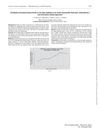 October 2022 in “European heart journal”
 Higher stress levels were found about two weeks before a heart attack.
 9 citations
,
January 1989 in “Sen'i Gakkaishi”
9 citations
,
January 1989 in “Sen'i Gakkaishi” Wool and hair fibers absorb moisture similarly due to their keratin structure, with the amount of non-crystalline areas affecting the moisture uptake.
July 2026 in “Research Square” January 2007 in “Edward Elgar eBooks” TSPO might help treat anxiety and depression.
January 2026 in “Advances in Dermatology and Allergology” Stress significantly affects the quality of life in patients with lichen planopilaris and frontal fibrosing alopecia.
 1 citations
,
November 2021 in “American Journal of Clinical Pathology”
1 citations
,
November 2021 in “American Journal of Clinical Pathology” The conclusion is that certain physical signs in the body can indicate past acute and chronic stress, which may help in child abuse investigations.
 March 2025 in “Institutional Repositories DataBase (IRDB)”
 Hair cortisol can measure chronic stress but has inconsistent results.
 1 citations
,
January 2013 in “Journal of S C C J”
1 citations
,
January 2013 in “Journal of S C C J” Scalp massage reduces stress, increases relaxation, and improves blood circulation.
 January 2023 in “Theranostics”
 Mechanical force is important for the first contact between skin cells and hair growth in mini-organs.
April 2021 in “bioRxiv (Cold Spring Harbor Laboratory)”  April 2023 in “Journal of Investigative Dermatology”
 Keeping human skin stem cells is easier with low temperatures and mTOR inhibition.
September 2016 in “Toxicology letters” The 5050 MHA42MCS45 hydrogel blend is suitable for repairing load-bearing soft tissues.
 36 citations
,
June 2021 in “Experimental & Molecular Medicine”
36 citations
,
June 2021 in “Experimental & Molecular Medicine” Targeting Hedgehog signaling may help treat ligamentum flavum fibrosis.

Psoriasis is a common, genetically influenced skin disease worsened by stress and lifestyle, but targeted treatments are promising.
229 citations
,
May 2006 in “Journal of Experimental Botany” Reactive oxygen species are essential for plant root hair growth.
24 citations
,
May 2017 in “Annals of botany” Pathogenic Pseudomonas syringae bacteria stimulate early root hair growth in Arabidopsis plants.
August 2025 in “Journal of Affective Disorders” Gender-diverse people face more depression and anxiety, partly due to stress and lower cortisol levels.