 19 citations
,
January 1987 in “Dermatology”
19 citations
,
January 1987 in “Dermatology” Minoxidil slows down skin cell growth and may help treat scars and skin conditions.
 April 2019 in “Journal of Investigative Dermatology”
 The research found that certain characteristics like age, sex, race, marital status, and education level can influence whether alopecia patients stick to their hair loss treatment with topical minoxidil.
36 citations
,
January 1991 in “PubMed” 2% Minoxidil does not prevent hair loss during chemotherapy.
 March 2025 in “Journal of the American Academy of Dermatology”
 Low-dose oral minoxidil doesn't affect blood pressure in patients taking blood pressure meds.
 October 2025 in “Journal of Craniofacial Surgery”
 Chitosan and minoxidil both improve hair growth, but more research is needed on chitosan.
 18 citations
,
October 2005 in “International Journal of Pharmaceutics”
18 citations
,
October 2005 in “International Journal of Pharmaceutics” Adding a small amount of TPGS to minoxidil can help hair growth, but too much TPGS reduces this effect and increases minoxidil in the blood.
 6 citations
,
May 2012 in “Clinical and experimental dermatology”
6 citations
,
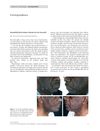
May 2012 in “Clinical and experimental dermatology” Oral minoxidil can cause inflamed, ingrown hairs in the beard area.
1 citations
,
May 2023 in “Journal of the European Academy of Dermatology and Venereology” Minoxidil and vitamin E may help improve nail growth and health.
26 citations
,
December 2019 in “Indian Journal of Dermatology, Venereology and Leprology” PRP combined with minoxidil is the most effective and safe treatment for male pattern baldness.
 23 citations
,
March 1988 in “Biochemical Pharmacology”
23 citations
,
March 1988 in “Biochemical Pharmacology” Minoxidil stops cells from making prostacyclin, which may help with hair growth. More research is needed.
 1 citations
,
April 2019 in “Journal of Investigative Dermatology”
1 citations
,
April 2019 in “Journal of Investigative Dermatology” Oral minoxidil can potentially increase hair growth in people suffering from Central Centrifugal Cicatricial Alopecia.
 July 1995 in “Journal of Dermatological Science”
 Cyclosporine starts hair growth faster, while minoxidil makes it last longer.
October 1988 in “Archives of Dermatology” Minoxidil's benefits may decrease after two years of use.
 June 2016 in “Makedonski medicinski pregled”
 A man who drank too much hair growth medication got very sick but got better after hospital treatment.
 August 2023 in “Journal of Cosmetic Dermatology”
 Both minoxidil-spironolactone and minoxidil-finasteride treatments work for hair loss, but minoxidil-spironolactone is slightly more effective, especially in women.

Both treatments improve hair growth, but minoxidil is cheaper.
 9 citations
,
September 2011 in “Cutaneous and Ocular Toxicology”
9 citations
,
September 2011 in “Cutaneous and Ocular Toxicology” Using 2% minoxidil for baldness treatment might cause vision distortion due to fluid build-up under the retina.
 September 2023 in “Authorea (Authorea)”
 Certain peptides, caffeine, taurine, and an iron complex may improve hair regrowth when used with minoxidil and finasteride for hair loss.
 June 2024 in “Archives of dermatological research”
 Both treatments work, but Minoxidil 0.5% MMP® is better for certain scalp areas and less advanced hair loss.
 February 2024 in “Scientific Reports”
 Topical minoxidil and dietary supplements improved hair regrowth in children with hair loss from chemotherapy.
 1 citations
,
April 2025 in “Romanian Journal of Ophthalmology”
1 citations
,
April 2025 in “Romanian Journal of Ophthalmology” Minoxidil might cause eye issues, so early detection is important.
 68 citations
,
September 1990 in “Biochemical Pharmacology”
68 citations
,
September 1990 in “Biochemical Pharmacology” Minoxidil activates hair growth by being sulfated by P-PST in the human liver.
January 2005 in “Farmaceutski glasnik” Minoxidil and finasteride are key treatments for hair loss.
 12 citations
,
August 2017 in “Archives of Pharmacal Research”
12 citations
,
August 2017 in “Archives of Pharmacal Research” Lecithin-based microparticles can deliver minoxidil for hair growth effectively with less skin irritation.

PRP therapy improves hair density and satisfaction more than Minoxidil for androgenetic alopecia.
 12 citations
,
November 2011 in “International Journal of Dermatology”
12 citations
,
November 2011 in “International Journal of Dermatology” A woman developed a scalp condition from using minoxidil, which improved with a different treatment but left scarring.
Culturing hair follicles at the air-liquid interface with minoxidil significantly boosts hair growth and preserves the root sheath.
 27 citations
,
September 2018 in “Medicines”
27 citations
,
September 2018 in “Medicines” Oleic acid nanovesicles improve minoxidil absorption in hair follicles for alopecia treatment.
2 citations
,
January 2023 Nano-sized molybdenum may help treat hair loss and works well with minoxidil.
A 5-year-old boy grew too much hair after using minoxidil, but it went away after stopping the treatment.