1 citations
,
August 2022 in “Journal of Cosmetic Dermatology” Using both 5% spironolactone and 5% minoxidil together is safe and more effective for treating hair loss.
 3 citations
,
September 2022 in “Journal of Drug Delivery Science and Technology”
3 citations
,
September 2022 in “Journal of Drug Delivery Science and Technology” Minoxidil, a hair loss treatment, works better and has fewer side effects when put into tiny particles called transethosomes, especially those containing oleic acid.
 June 2026 in “JAAD reviews.”
 Low-dose oral minoxidil may help with various hair loss types, but more research is needed.
 November 2025 in “Zenodo (CERN European Organization for Nuclear Research)”
 PRP may be more effective and satisfying for hair regrowth than minoxidil, with similar safety.
 23 citations
,
October 2006 in “Journal of Dermatological Science”
23 citations
,
October 2006 in “Journal of Dermatological Science” Ethosomal minoxidil improves hair growth by penetrating deeper into skin and shortening hair cycle.
11 citations
,
January 1990 in “Cell and Tissue Research” Minoxidil does not specifically target any hair follicle cells.
January 2004 in “Chinese Journal of Blood Purification” Minoxidil effectively manages severe hypertension in hemodialysis patients with minimal side effects.
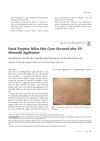 3 citations
,
January 2018 in “Annals of Dermatology”
3 citations
,
January 2018 in “Annals of Dermatology” A woman developed facial hair cysts after using a 3% minoxidil solution for hair loss, which disappeared after stopping the treatment and removing the cysts surgically.
 January 2025 in “International Journal of Trichology”
 Topical spironolactone and minoxidil both effectively treat female hair loss, but spironolactone has fewer side effects.
 April 2016 in “Journal of Investigative Dermatology”
 Using a stimulating cream shampoo before applying Minoxidil helps it penetrate hair follicles better, enhancing its hair growth-promoting effect.
 September 2025 in “Frontiers in Medicine”
 Combining minoxidil with other treatments is more effective for hair growth than using minoxidil alone.
November 2019 in “DOAJ (DOAJ: Directory of Open Access Journals)” Adding 7% chamomile extract to minoxidil reduces skin side effects in treating male hair loss.
 April 2023 in “Actas Dermo-Sifiliográficas”
 Low doses of oral minoxidil, a hair loss treatment, can cause temporary morning swelling around the eyes, but it's not serious and can disappear with continued use or dose adjustment.
 25 citations
,
June 2018 in “Clinical and Experimental Dermatology”
25 citations
,
June 2018 in “Clinical and Experimental Dermatology” Combined microneedling and minoxidil improves hair growth more than minoxidil alone.
 June 2025 in “ACS Biomaterials Science & Engineering”
 A new method using hydrogels and microneedle patches improves minoxidil delivery for better hair growth.
 1 citations
,
July 2024 in “Journal of Cosmetic Dermatology”
1 citations
,
July 2024 in “Journal of Cosmetic Dermatology” Low SULT activity in hair follicles leads to better response to oral minoxidil for hair loss.
July 2022 in “Journal of Cosmetic Dermatology” Combining microneedling with 5% minoxidil significantly improves hair growth in people with androgenetic alopecia.
 28 citations
,
September 2019 in “International Journal of Nanomedicine”
28 citations
,
September 2019 in “International Journal of Nanomedicine” Minoxidil nanoparticles can potentially be a more effective treatment for hair growth than current treatments.
 January 2025 in “Revista Vitae”
 A new method reliably detects minoxidil in hair products, revealing some non-compliance with regulations.
February 2023 in “International Journal of Dermatology” 
Low-dose oral and topical minoxidil are recommended for managing hair loss in transplant patients, with specific doses and precautions.
 39 citations
,
November 1984 in “Journal of Cardiovascular Pharmacology”
39 citations
,
November 1984 in “Journal of Cardiovascular Pharmacology” Minoxidil lowers blood pressure, increases heart rate, and improves blood flow in dogs.
July 2026 in “Journal of Cosmetic Dermatology” Combining oxygen-enriched PRP with minoxidil is more effective for hair growth than using minoxidil alone.
 123 citations
,
February 2002 in “Journal of The American Academy of Dermatology”
123 citations
,
February 2002 in “Journal of The American Academy of Dermatology” Minoxidil can cause skin allergy; use alternative solvents or treatments if allergic.
 10 citations
,
December 2020 in “Dermatologic Therapy”
10 citations
,
December 2020 in “Dermatologic Therapy” Minoxidil and spironolactone combo effectively treats androgenetic alopecia, improving hair density and diameter.
December 2021 in “Clinical and Experimental Dermatology” Systemic minoxidil might help maintain hair regrowth in alopecia areata.

Cetosomal minoxidil is safer and as effective as alcohol-based minoxidil for male hair loss treatment.
 February 2024 in “International Journal of Research in Dermatology”
 Alcohol-free minoxidil 5% is effective and safe for treating male pattern hair loss.