October 2024 in “Journal of Medical and Scientific Research” Higher prolactin levels are linked to psoriasis, alopecia areata, and vitiligo severity.
 September 2023 in “Journal of Cosmetic Dermatology”
 Lower vitamin D levels are linked to higher CRP levels in people with a type of hair loss called alopecia areata.
 February 2024 in “Bangladesh pharmaceutical journal”
 The conclusion is that the tested yogurts from Bangladesh are rich in vitamins thiamine and riboflavin, and the testing method is reliable.
November 2025 in “OPAL (Open@LaTrobe) (La Trobe University)” Zinc supplements improve hair growth in camels and support growth and hair development in calves.
 January 2021 in “Scandinavian journal of clinical and laboratory investigation”
 The document describes a way to measure biotin in blood to prevent wrong test results in hormone level testing.
 11 citations
,
January 2017 in “Biochemical and biophysical research communications”
11 citations
,
January 2017 in “Biochemical and biophysical research communications” 1α,25-dihydroxyvitamin D3 directly affects cartilage growth and development.
 June 2025 in “Veterinární Medicína”
 Uveodermatological syndrome in dogs is hard to manage and can lead to blindness despite treatment.
23 citations
,
September 2016 in “Archives of Dermatological Research” Vitamin D levels do not affect the risk of developing alopecia areata.
2 citations
,
July 2013 in “Journal of Life Sciences” A 2-year-old girl with a rare vitamin D disorder had rickets and hair loss, but treatment was ineffective due to poor compliance.
 September 2018 in “International Journal of Dermatology”
 People with alopecia areata often have lower levels of zinc and vitamin D.
January 2023 in “Mansoura Medical Journal” Higher ischemia-modified albumin levels are linked to acne severity.
 4 citations
,
February 2023 in “Journal of steroid biochemistry and molecular biology/The Journal of steroid biochemistry and molecular biology”
4 citations
,
February 2023 in “Journal of steroid biochemistry and molecular biology/The Journal of steroid biochemistry and molecular biology” The study found that certain mutations in the vitamin D receptor can cause rickets and potentially affect hair growth.
November 2022 in “Indian Journal of Dermatology/Indian journal of dermatology” Valproic acid can cause dark lines on nails.
November 2024 in “Journal of Investigative Dermatology” Dermal IgA deposition without symptoms is rare in Dermatitis herpetiformis risk groups.
 February 2024 in “Research Square (Research Square)”
 Proteins from Tianshan red deer abomasum have strong anti-inflammatory, anti-tumor, and antioxidant effects.
November 2025 in “Fayoum University Medical Journal/Fayoum University Medical Journal ” Intralesional vitamin D3 injections can improve vitamin D3 levels and may help treat alopecia areata.
October 2020 in “The American journal of gastroenterology” Para-aminobenzoic acid in hair supplements can cause autoimmune hepatitis.
 40 citations
,
April 2013 in “Dermato-endocrinology”
40 citations
,
April 2013 in “Dermato-endocrinology” People with chronic Alopecia Areata often have lower vitamin D levels.
January 2015 in “Elsevier eBooks” CA VI helps maintain pH balance and is important for various bodily functions.
1 citations
,
February 2025 in “Journal of the Neurological Sciences” Beta-trace protein may help diagnose and predict treatment response in certain nerve disorders.
6 citations
,
January 2005 Selenosis in calves causes health issues and changes in blood parameters.
10 citations
,
September 2004 in “PubMed” Vitamin D receptor FokI gene variation is not linked to alopecia areata.
29 citations
,
December 1953 in “Journal of Investigative Dermatology”  37 citations
,
June 2018 in “Clinical and Experimental Medicine”
37 citations
,
June 2018 in “Clinical and Experimental Medicine” People with alopecia areata often have lower vitamin D levels and more inflammation, suggesting vitamin D might be involved in the condition.
 8 citations
,
July 2011 in “Animal science journal”
8 citations
,
July 2011 in “Animal science journal” Keratin 33A is a key protein in goat winter coats, especially in high-producing breeds.
8 citations
,
August 1987 in “The Journal of Dermatology” BKN-1 antibody targets specific keratin in basal cell epithelioma and normal skin basal cells.
November 2025 in “Journal of Investigative Dermatology” IMG-007 helps regrow hair and reduce scalp inflammation in severe alopecia areata.
 February 2024 in “BMC genomics”
 The TRPV3 gene variant may cause the long-haired suri alpaca coat.
 November 2024 in “Rheumatology Advances in Practice”
 Monitor for early signs of azathioprine toxicity and check blood counts regularly.
 July 2021 in “PARIPEX INDIAN JOURNAL OF RESEARCH”
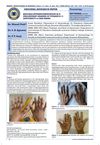
 Knuckle darkening can be an early sign of vitamin B12 deficiency.