4 citations
,
January 2024 in “Therapeutic Advances in Reproductive Health” New ultrasound criteria for diagnosing PCOS in North African patients were successfully established.
 36 citations
,
November 2009 in “European Radiology”
36 citations
,
November 2009 in “European Radiology” The study found that women with PCOS have more and larger ovarian follicles and differences in ovarian structure, but these features alone can't always diagnose PCOS.
 April 2020 in “Journal of the Endocrine Society”
 An ovarian tumor caused a woman's male-like symptoms, which improved after surgery.
 June 2026 in “Romanian Journal of Medical Practice”
 Surgery resolved hormone imbalance and symptoms in a rare ovarian tumor case in an elderly woman.
 November 2022 in “Journal of the Endocrine Society”
 A woman's small ovarian tumor causing high androgen levels was missed by several scans but found during surgery.
 5 citations
,
November 2018 in “Journal of Obstetrics and Gynaecology”
5 citations
,
November 2018 in “Journal of Obstetrics and Gynaecology” Ovarian Leydig cell tumors are hard to diagnose with just advanced imaging; expert ultrasound and clinical evaluation are essential.
December 2020 in “Research Square (Research Square)” Rare ovarian tumors can cause increased male hormones in postmenopausal women; surgery is an effective treatment.
June 2020 in “AACE clinical case reports” A woman's severe male hormone excess was caused by a small, hard-to-find ovarian tumor.
Women with acne and hair loss, even if they have regular periods, often have polycystic ovary syndrome.

A 73-year-old woman's unusual hair loss and growth led to the discovery of a rare condition causing too much testosterone, which improved after her ovaries were removed.
 59 citations
,
August 2007 in “Clinical Endocrinology”
59 citations
,
August 2007 in “Clinical Endocrinology” The current methods for diagnosing polycystic ovary syndrome are too vague and may lead to misdiagnosis and problems in research.
October 2025 in “Journal of the Endocrine Society” Goserelin injections can effectively manage hyperandrogenism symptoms in postmenopausal women who can't have surgery.
 April 2019 in “Journal of the Endocrine Society”
 The study found that imaging might miss small ovarian tumors causing high testosterone, and suggested using certain testosterone levels and treatment responses to identify these tumors.
 May 2006 in “Women's Health Medicine”
 Excessive hair growth in women, often from high androgen levels, is usually caused by PCOS, and can be treated with hair removal, medication, and possibly weight loss.
2 citations
,
July 2023 in “AACE Clinical Case Reports” Ovarian vein sampling can effectively locate ovarian tumors when imaging is unclear.
 1 citations
,
July 2019 in “The journal of applied laboratory medicine”
1 citations
,
July 2019 in “The journal of applied laboratory medicine” Venous catheterization may help diagnose the cause of female hyperandrogenism when imaging is unclear.
May 2026 in “Annals of Internal Medicine Clinical Cases” Leydig cell tumors can cause hormone issues in postmenopausal women even if imaging looks normal.
 October 2024 in “Journal of the Endocrine Society”
 Rare ovarian tumors can cause hyperandrogenism, even if imaging appears normal.
 October 2024 in “Journal of the Endocrine Society”
 Rare ovarian tumors can cause hyperandrogenism, even if imaging appears normal.
2 citations
,
November 2025 in “Cancer Imaging” Ultrasound-based radiomics and radiogenomics can improve ovarian cancer diagnosis and treatment, but need better standardization and AI tools.
 20 citations
,
October 2017 in “Clinical Endocrinology”
20 citations
,
October 2017 in “Clinical Endocrinology” The conclusion is that removing both ovaries is the best treatment for excess male hormones in postmenopausal women, with medication as another option, and managing insulin resistance is important for diagnosis and treatment.
 17 citations
,
February 2003 in “Australasian Journal of Dermatology”
17 citations
,
February 2003 in “Australasian Journal of Dermatology” Hair loss in postmenopausal woman caused by ovarian issue.
 4 citations
,
November 2018 in “Endocrinology, Diabetes & Metabolism Case Reports”
4 citations
,
November 2018 in “Endocrinology, Diabetes & Metabolism Case Reports” GnRH analogue can help diagnose ovarian causes of high testosterone in postmenopausal women when scans don't show the cause.
2 citations
,
November 2019 in “Case reports in women's health” Ovarian vein sampling helped diagnose rare ovarian tumors causing high testosterone, and surgery to remove the tumors lowered the testosterone levels.
1 citations
,
August 2022 in “Case Reports” A rare ovarian tumor caused high testosterone, hair loss, and missed periods, but surgery fixed these issues and led to pregnancy.
 1 citations
,
January 2018 in “Journal of Gynecologic Surgery”
1 citations
,
January 2018 in “Journal of Gynecologic Surgery” Removing both ovaries can treat increased testosterone and related symptoms in postmenopausal women with ovarian hyperthecosis.
 1 citations
,
February 2016 in “European Journal of Obstetrics & Gynecology and Reproductive Biology”
1 citations
,
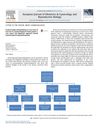
February 2016 in “European Journal of Obstetrics & Gynecology and Reproductive Biology” An 84-year-old woman's hair loss was due to a rare condition called Leydig cell hyperplasia, which was treated with surgery.
March 2026 in “JCEM Case Reports” Surgery removed ovarian tumors, normalizing testosterone and improving symptoms.
October 2025 in “Journal of the Endocrine Society” Ovarian hyperthecosis can cause high testosterone and symptoms like hair loss, and surgery can help improve these symptoms.
 October 2024 in “Journal of the Endocrine Society”
 Bilateral salpingo-oophorectomy resolved hyperandrogenism in a postmenopausal woman with rare ovarian tumors.