 November 2024 in “Burns & Trauma”
 Skin organoids help improve wound healing and tissue repair.
January 2024 in “Diagnostics” Long COVID causes a wide range of long-lasting symptoms that change over time and are hard to diagnose and treat.
 August 2023 in “Medicina-lithuania”
 Abusing steroids can damage your heart, muscles, reproductive system, liver, skin, and brain, and may increase the risk of Alzheimer's disease.
 March 2023 in “Translational Andrology and Urology”
 5-alpha reductase inhibitors, like finasteride and dutasteride, are used for prostate issues, hair loss, and excessive hair growth, may help with COVID-19, but can cause sexual and mental health side effects, and their use in preventing prostate cancer needs more examination.
 August 2026 in “Molecular Biomedicine”
 Hydrogels are promising for treating complex diseases due to their adaptability and potential in drug delivery and tissue repair.
 December 2024 in “International Journal of Molecular Sciences”
 Human umbilical cord stem cell vesicles may help treat aging and related diseases.
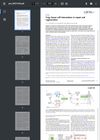 April 2024 in “The Journal of experimental medicine/The journal of experimental medicine”
 Treg cells help repair and regenerate tissues by interacting with local cells.
December 2023 in “Indian Journal of Endocrinology and Metabolism” Early diagnosis, genetic testing, and innovative treatments are crucial for managing complex medical conditions.
 238 citations
,
February 2007 in “Journal of Neuroscience”
238 citations
,
February 2007 in “Journal of Neuroscience” Ovarian and stress hormones can change GABA A receptors through neurosteroids.
96 citations
,
October 1987 in “The Journal of Clinical Endocrinology & Metabolism” Chronic GnRHa treatment can help manage endometrial hyperplasia and reduce ovarian androgen excess in PCO patients.
 73 citations
,
June 2008 in “The Journal of Clinical Endocrinology and Metabolism”
73 citations
,
June 2008 in “The Journal of Clinical Endocrinology and Metabolism” Polycystic ovarian shape is a genetic sign of PCOS and its hormonal and metabolic features can be inherited.
 69 citations
,
September 2006 in “Human Reproduction”
69 citations
,
September 2006 in “Human Reproduction” Women with PCOS have fewer activated T cells in their ovarian follicles, which might affect fertility.
 60 citations
,
May 2011 in “Endocrinology and Metabolism Clinics of North America”
60 citations
,
May 2011 in “Endocrinology and Metabolism Clinics of North America” Polycystic Ovary Syndrome is linked to higher risk of hypertension and heart disease.
 53 citations
,
February 2022 in “The Journal of clinical endocrinology and metabolism/Journal of clinical endocrinology & metabolism”
53 citations
,
February 2022 in “The Journal of clinical endocrinology and metabolism/Journal of clinical endocrinology & metabolism” AMH helps estimate ovarian reserve but doesn't predict pregnancy chances; age is more important.
 38 citations
,
May 2006 in “Archives of Gynecology and Obstetrics”
38 citations
,
May 2006 in “Archives of Gynecology and Obstetrics” Women with only irregular periods or excess hair have a better hormone profile than those with full PCOS, but both groups are similar, indicating a need for better PCOS diagnosis methods.
 36 citations
,
May 2011 in “The Journal of Clinical Endocrinology & Metabolism”
36 citations
,
May 2011 in “The Journal of Clinical Endocrinology & Metabolism” Treatment with a hormone agonist can reduce excess male hormones in postmenopausal women without surgery.
 36 citations
,
November 2009 in “European Radiology”
36 citations
,
November 2009 in “European Radiology” The study found that women with PCOS have more and larger ovarian follicles and differences in ovarian structure, but these features alone can't always diagnose PCOS.
31 citations
,
June 2022 in “Stem Cell Research & Therapy” CD146 + mesenchymal stem cells are more effective for treating premature ovarian failure.
29 citations
,
April 2002 in “Human Reproduction” Ovarian stromal volume doesn't relate to PCOS biochemical indices.
 28 citations
,
October 2013 in “Journal of The American Academy of Dermatology”
28 citations
,
October 2013 in “Journal of The American Academy of Dermatology” Ovarian SAHA syndrome makes women with PCOS more resistant to insulin and increases their risk of blood sugar problems.
27 citations
,
May 1976 in “PubMed” Ovarian wedge resection helped regulate menstrual cycles but didn't significantly change hormone levels or hair growth in polycystic ovary syndrome.
 24 citations
,
September 2001 in “Journal of The American Academy of Dermatology”
24 citations
,
September 2001 in “Journal of The American Academy of Dermatology” Women's ovarian hormones and adrenal androgens change throughout life, affecting hair loss and health.
 22 citations
,
February 2014 in “Arquivos Brasileiros De Endocrinologia E Metabologia”
22 citations
,
February 2014 in “Arquivos Brasileiros De Endocrinologia E Metabologia” An 81-year-old woman's severe male hormone symptoms were caused by an ovarian tumor, which was treated with surgery.
21 citations
,
August 1984 in “BJOG An International Journal of Obstetrics & Gynaecology” Ovarian function was similar in both treatment groups, but both caused excessive hair growth.
 20 citations
,
October 2017 in “Clinical Endocrinology”
20 citations
,
October 2017 in “Clinical Endocrinology” The conclusion is that removing both ovaries is the best treatment for excess male hormones in postmenopausal women, with medication as another option, and managing insulin resistance is important for diagnosis and treatment.
 20 citations
,
June 2010 in “International Journal of Dermatology”
20 citations
,
June 2010 in “International Journal of Dermatology” Women with mild acne are more likely to have polycystic ovary syndrome (PCOS) than those without acne.
 18 citations
,
May 2017 in “Fertility Research and Practice”
18 citations
,
May 2017 in “Fertility Research and Practice” Larger ovarian size is linked to higher insulin resistance in women with PCOS.
 17 citations
,
May 2012 in “Clinical Endocrinology”
17 citations
,
May 2012 in “Clinical Endocrinology” Surgery to lower high testosterone in postmenopausal women with certain ovarian tumors doesn't significantly affect their metabolism.
 17 citations
,
February 2003 in “Australasian Journal of Dermatology”
17 citations
,
February 2003 in “Australasian Journal of Dermatology” Hair loss in postmenopausal woman caused by ovarian issue.
16 citations
,
September 1990 in “Fertility and sterility” Ketoconazole can treat ovarian hyperandrogenism but should be used cautiously with monitoring and birth control.