 December 2022 in “Cumhuriyet medical journal”
 Different PCOS subgroups have similar metabolic features, but those without menstrual problems have milder issues.
December 2024 in “Journal of Clinical Medicine” PCOS and eating disorders are linked by hormonal imbalances, needing personalized treatment.
52 citations
,
April 2008 in “Therapeutics and clinical risk management” The birth control combination of ethinylestradiol and drospirenone helps treat symptoms of polycystic ovary syndrome.
200 citations
,
August 2009 in “Experimental dermatology” Eating high-glycemic foods and drinking milk may worsen acne by increasing insulin and IGF-1 levels.
18 citations
,
October 2022 in “Biomedicines” High AMH levels are linked to PCOS in women and may have a male equivalent with similar traits.
 15 citations
,
April 2019 in “Best Practice & Research Clinical Endocrinology & Metabolism”
15 citations
,
April 2019 in “Best Practice & Research Clinical Endocrinology & Metabolism” Polycystic Ovary Syndrome (PCOS) in teenagers is a complex condition linked to genetics and environment, often associated with obesity and insulin resistance, and is treated with lifestyle changes and medication.
 2 citations
,
November 2022 in “Bioscience Reports”
2 citations
,
November 2022 in “Bioscience Reports” Polycystic ovary syndrome and iron overload share similar symptoms and can be potentially treated with blood removal, diet changes, and probiotics.
2 citations
,
August 2022 in “Middle East Fertility Society Journal” The new rodent model successfully mimics non-lean human PCOS symptoms.
 1 citations
,
August 2023 in “Diagnostics”
1 citations
,
August 2023 in “Diagnostics” Women with PCOS are more likely to develop kidney stones, especially those with certain PCOS types.
 1 citations
,
January 2023 in “Metabolites”
1 citations
,
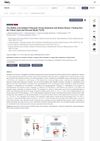
January 2023 in “Metabolites” Changes in gut bacteria can contribute to the development of Polycystic Ovary Syndrome (PCOS), affecting metabolism, immunity, and causing inflammation. Treatments may involve adjusting these factors.
 September 2024 in “International Journal of Molecular Sciences”
 High doses of testosterone disrupt hormone levels and receptor expression in the uterus, affecting fertility.
8 citations
,
May 2005 in “Fertility and Sterility” A specific gene variation is linked to a higher risk of polycystic ovary syndrome in Caucasian women.
11 citations
,
July 2019 in “International journal of women’s dermatology” Certain skin conditions in women are linked to higher risks of metabolic syndrome and type 2 diabetes due to hormone imbalances.
 April 2023 in “Dermatologica Sinica”
 Sex hormones affect hair growth and loss, and treatments for related hair diseases include various medications, hair transplantation, and light therapy.
 36 citations
,
October 2021 in “Frontiers in Endocrinology”
36 citations
,
October 2021 in “Frontiers in Endocrinology” Insulin resistance and high male hormone levels are major causes of Polycystic Ovary Syndrome.
 11 citations
,
November 2017 in “Hong Kong Medical Journal”
11 citations
,
November 2017 in “Hong Kong Medical Journal” Polycystic ovary syndrome increases the risk of diabetes, heart disease, and endometrial cancer, and requires early treatment to manage these risks.
2 citations
,
December 2024 in “Clinical Endocrinology” PCOS symptoms can improve with specific treatments for pituitary adenomas.
23 citations
,
July 2015 in “The Journal of Membrane Biology” Testosterone increases certain proteins in the uterus, reducing fluid volume.
11 citations
,
January 2024 in “Gynecological Endocrinology” Myo-inositol and D-chiro-inositol, especially in a 40:1 ratio, effectively treat PCOS by improving insulin sensitivity and ovulation.
 19 citations
,
March 2022 in “International Journal of Environmental Research and Public Health”
19 citations
,
March 2022 in “International Journal of Environmental Research and Public Health” Certain brain hormones and chemicals are linked to the development of Polycystic Ovary Syndrome.
January 2024 in “Medicina” Statins may help treat PCOS by lowering androgen levels and improving cholesterol.
 28 citations
,
January 2017 in “Indian Dermatology Online Journal”
28 citations
,
January 2017 in “Indian Dermatology Online Journal” Skin problems like acne, excessive hair growth, and oily skin are common in women with PCOS and can help with early diagnosis.
26 citations
,
July 2012 in “Journal of family planning and reproductive health care” The document says that hirsutism in women usually needs hair removal and hormone treatment to manage symptoms and improve well-being.
10 citations
,
November 2024 in “Diagnostics” High androgen levels cause skin issues in PCOS, affecting quality of life.
 1 citations
,
July 2023 in “Frontiers in Immunology”
1 citations
,
July 2023 in “Frontiers in Immunology” Oxidative stress and immune dysfunction are linked to both Hashimoto's thyroiditis and polycystic ovary syndrome, with diet and specific treatments important for managing these conditions.
September 2025 in “Obstetrics and gynecology.” Myoinositol effectively manages PCOS with fewer side effects than metformin.
 July 2023 in “Journal of Clinical Medicine”
 Tirzepatide might help manage PCOS in obese patients but needs more research to confirm safety and effectiveness.
102 citations
,
January 2010 in “Mediators of Inflammation” PCOS is linked to obesity and inflammation, increasing cardiovascular risk.
45 citations
,
May 2022 in “Biomedicines” Analyzing follicular fluid can help predict and improve outcomes for women with PCOS undergoing fertility treatments.
 20 citations
,
November 2019 in “International Journal of Environmental Research and Public Health”
20 citations
,
November 2019 in “International Journal of Environmental Research and Public Health” Breathing in high levels of certain air pollutants significantly increases women's risk of developing Polycystic Ovary Syndrome.