 October 2024 in “Journal of the Endocrine Society”
 Early detection of ovarian steroid cell tumors is crucial to prevent lasting symptoms.
 October 2024 in “Journal of the Endocrine Society”
 Leydig cell tumors can cause high testosterone and symptoms in postmenopausal women, and removing them improves symptoms.
January 2020 in “International Journal of Trichology” Androgen-producing ovarian tumors can cause male-pattern hair loss in women.
November 1993 in “PubMed” Hirsutism, excessive male-pattern hair in women, can be caused by high androgens or skin sensitivity, diagnosed by testosterone levels, and treated with hair removal and hormone therapy.
 1 citations
,
May 2011 in “Journal of Obstetrics and Gynaecology”
1 citations
,
May 2011 in “Journal of Obstetrics and Gynaecology” Hair loss in postmenopausal women due to ovarian hyperthecosis is rare, but removing the ovaries can significantly improve the condition.
 5 citations
,
October 2014 in “Gynecological Endocrinology”
5 citations
,
October 2014 in “Gynecological Endocrinology” Triptorelin helps evaluate hormone production in Sertoli-Leydig cell tumors.
October 2025 in “Journal of the Endocrine Society” A rare ovarian tumor was found in a young woman with a genetic fat disorder.
26 citations
,
April 2003 in “PubMed” Hair loss in two ferrets was caused by ovarian tissue tumors, not adrenal issues.
May 2026 in “Annals of Internal Medicine Clinical Cases” Leydig cell tumors can cause hormone issues in postmenopausal women even if imaging looks normal.
October 2025 in “F1000Research” Postmenopausal women with excess male hormones may have ovarian tumors, and surgery usually cures them.
 2 citations
,
May 2018 in “International journal of reproduction, contraception, obstetrics and gynecology”
2 citations
,
May 2018 in “International journal of reproduction, contraception, obstetrics and gynecology” Ovarian hemangioma is a rare, benign tumor that can be treated effectively with surgical removal.
 October 2014 in “Journal of Minimally Invasive Gynecology”
 Genetic testing for cancer risk can lead to early and life-saving treatments in people without symptoms.
 13 citations
,
January 1995 in “Postgraduate medicine”
13 citations
,
January 1995 in “Postgraduate medicine” Excessive hair growth in women can be harmless or signal serious health issues, and treatment often includes medication and hair removal, with noticeable results after 3-6 months.
 November 2022 in “The Journal of Clinical Endocrinology and Metabolism”
 Postmenopausal hyperandrogenism, a condition with symptoms like increased hair growth and acne, is usually caused by PCOS but can also be due to other factors. It's diagnosed by checking testosterone levels and treated either by removing the adrenal tumor or through antiandrogen therapy.
 November 2021 in “Khyber Medical University Journal”
 A rare ovarian tumor caused a postmenopausal woman to develop male-like features, which improved after surgery.
 12 citations
,
January 2009 in “Gynecological Endocrinology”
12 citations
,
January 2009 in “Gynecological Endocrinology” A postmenopausal woman's hair loss and excess hair growth improved after surgery for ovarian hyperthecosis.
 2 citations
,
October 2015 in “The New England Journal of Medicine”
2 citations
,
October 2015 in “The New England Journal of Medicine” The woman's surgery lowered her testosterone and improved scalp hair loss but did not change her excessive body hair.
 October 2023 in “Journal of the Endocrine Society”
 The document concludes that doctors should thoroughly check postmenopausal women with sudden increased male traits for rare conditions like androgen-producing endometrial cancer.
 September 2022 in “Curēus”
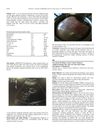
 The removed ovarian tumor was a rare type of blood vessel tumor that improved the patient's symptoms and hormone levels after surgery.
 January 2016 in “Springer eBooks”
 Hyperandrogenism, often causing excessive hair growth and acne, can be treated with methods like weight reduction, hair removal, various medications, and in the case of acne, topical treatments.
1 citations
,
January 2023 Hyperandrogenism in women often causes acne and excess hair, treatable with personalized plans including weight loss, hair removal, and medications.
October 2025 in “Journal of the Endocrine Society” Leydig cell tumors in the ovary can cause high testosterone and male traits in postmenopausal women but are treatable with surgery.
2 citations
,
January 2017 Personalized treatment is crucial for women with hyperandrogenism-related acne and hirsutism.
1 citations
,
January 2015 Hyperandrogenism in women often causes acne and excess hair, treatable with lifestyle changes and medications.
66 citations
,
March 1998 in “Mayo Clinic Proceedings” Removing a testosterone-producing tumor cured a woman's sleep apnea and other symptoms.
 4 citations
,
March 2021 in “Case Reports”
4 citations
,
March 2021 in “Case Reports” A woman's excessive hair growth and masculine features were due to a rare benign ovarian tumor and endometrial cancer, which improved after surgery.
 June 2026 in “Romanian Journal of Medical Practice”
 Surgery resolved hormone imbalance and symptoms in a rare ovarian tumor case in an elderly woman.
 7 citations
,
October 2019 in “Case reports in endocrinology”
7 citations
,
October 2019 in “Case reports in endocrinology” A young woman's symptoms suggested PCOS, but tests and surgery confirmed and treated a rare ovarian tumor, resolving her condition.
 September 2025 in “Asian Journal of Neurosurgery”
 Minimizing hair shaving before brain tumor surgery can improve self-esteem.
 36 citations
,
May 2011 in “The Journal of Clinical Endocrinology & Metabolism”
36 citations
,
May 2011 in “The Journal of Clinical Endocrinology & Metabolism” Treatment with a hormone agonist can reduce excess male hormones in postmenopausal women without surgery.