 7 citations
,
June 2021 in “Amino acids”
7 citations
,
June 2021 in “Amino acids” Human hair protein modifications could potentially indicate heart disease risk.
November 2025 in “Journal of Exposure Science & Environmental Epidemiology”  December 2025 in “International journal of research and scientific innovation”
 Women with PCOS in Nigeria have higher heart risk markers, needing early heart health checks.
November 2022 in “Journal of Investigative Dermatology” Mitochondrial stress can lead to atopic dermatitis.
January 2023 in “Mansoura Medical Journal” Higher ischemia-modified albumin levels are linked to acne severity.
February 2022 in “DOAJ (DOAJ: Directory of Open Access Journals)” Retinoic acid reduces cell damage from oxidative stress.
May 2026 in “Journal of Photochemistry and Photobiology” Solar radiation and pollution damage hair, especially light-colored and bleached hair.
July 2024 in “Journal of Investigative Dermatology” Reactive lipids from aging cells change the extracellular matrix, affecting cell function and inflammation.
Urinary and serum selenium levels are the best indicators of selenium intake in dogs.
 42 citations
,
December 2016 in “Cell Death & Differentiation”
42 citations
,
December 2016 in “Cell Death & Differentiation” Damaging mitochondrial DNA in mice speeds up aging due to increased reactive oxygen species, not through the p53/p21 pathway.
67 citations
,
December 2011 in “Stem Cells and Development” NADPH oxidase 4 is key for stem cell activity and growth under low oxygen.
 September 2017 in “The journal of investigative dermatology/Journal of investigative dermatology”
 The reconstructed skin model from hair follicles functions like human skin in processing chemicals and can be used to test ingredient safety.
12 citations
,
May 2024 in “Chemosphere” January 1974 in “OSTI OAI (U.S. Department of Energy Office of Scientific and Technical Information)” Oxidative stress causes hair graying by damaging hair follicle melanocytes more than skin melanocytes.
 June 2025 in “Cell Regeneration”
 Lack of a certain enzyme causes hair to grey early by damaging stem cells, but an antioxidant can help prevent this.
41 citations
,
June 2024 in “Journal of Cellular and Molecular Medicine” Natural antioxidants may help prevent hair loss by reducing oxidative stress.
 January 2021 in “Medicine Science | International Medical Journal”
 Men with early hair loss may have higher health risks similar to women with PCOS.
 1 citations
,
June 2007 in “Almustansiriya journal of pharmaceutical sciences/Al-Mustansiriyah journal of pharmaceutical sciences”
1 citations
,
June 2007 in “Almustansiriya journal of pharmaceutical sciences/Al-Mustansiriyah journal of pharmaceutical sciences” Antioxidants can help improve hair growth in people with alopecia areata.
210 citations
,
May 2006 in “The FASEB journal” Oxidative stress causes hair to gray by damaging and killing pigment cells.
75 citations
,
March 2007 in “Journal of Biological Chemistry” QSOX enzymes help form protein bonds in cells, especially in tissues with high secretory activity.
48 citations
,
September 2020 in “Frontiers in Immunology” Loss of OGG1 increases skin inflammation and auto-antibodies in lupus.
Oxidized hair can naturally regain strength and stability over six months.
March 2025 in “Digital Library of Theses and Dissertations (Universidade de São Paulo)” Ferulic acid and resveratrol protect hair from chemical and sun damage.
June 2025 in “British Journal of Dermatology” Premature canities is linked to low vitamin D and B12, family history, and higher MHR.
August 2018 in “Zenodo (CERN European Organization for Nuclear Research)” Catalase in processed meats may increase cancer risk due to electromagnetic emissions.
7 citations
,
October 2024 in “Acta Dermato Venereologica” Higher inflammation markers are linked to more severe alopecia areata.
 April 2015 in “Experimental Dermatology”
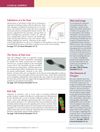
 Melanoma risk tools need improvement, certain gene mutations cause skin diseases and could be treated by targeting those mutations, skin wrinkling may relate to lung aging due to genetic factors, and oxidative stress affects hair loss but can be reduced in low oxygen.
16 citations
,
October 2009 in “Xenobiotica” The tested hair dye ingredients do not form harmful oxidized metabolites in the liver.
1 citations
,
September 2018 in “International journal of research - granthaalayah” Human hair medulla doesn't break down hydrogen peroxide, which may affect hair color formation.
November 2025 in “Free Radical Biology and Medicine” SOD1 and KL are promising targets for new hair loss treatments.