 41 citations
,
March 2007 in “Steroids”
41 citations
,
March 2007 in “Steroids” New methods to make oxasteroids show promise for medical treatments like osteoporosis and breast cancer.
6 citations
,
August 2024 in “The Journal of Dermatology” Ozenoxacin reduces sebum production, helping manage acne.
 August 2018 in “Journal of The American Academy of Dermatology”
 Ozenoxacin 1% cream is an effective and safe treatment for impetigo in children and adults.
1 citations
,
January 2022 in “Journal of Cancer Therapy” Ocoxin improves quality of life for advanced ovarian cancer patients on chemotherapy.
 11 citations
,
April 2021 in “Advanced synthesis & catalysis”
11 citations
,
April 2021 in “Advanced synthesis & catalysis” PXX is an effective and affordable photocatalyst for creating new chemical bonds in organic synthesis.
 29 citations
,
August 2007 in “Annals of Oncology”
29 citations
,
August 2007 in “Annals of Oncology” Docetaxel and oxaliplatin are effective and have manageable side effects for recurrent platinum-sensitive ovarian cancer.
54 citations
,
March 2024 in “Journal of Medicinal Chemistry” N-oxides are important in medicine for improving drug properties and targeting.
18 citations
,
May 2024 in “Pharmaceutics” Improved delivery systems can enhance oleanolic acid's effectiveness in treating various conditions.
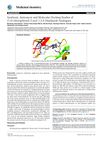 8 citations
,
January 2013 in “Medicinal chemistry”
8 citations
,
January 2013 in “Medicinal chemistry” The compound 4c showed strong potential as an anticancer agent.
24 citations
,
November 2015 in “Frontiers in Genetics” Nitroxide drugs can safely and effectively treat age-related diseases like macular degeneration and cardiovascular issues.
Introducing the OTC gene improved symptoms in mice with OTC deficiency.
30 citations
,
February 2023 in “Journal of Investigative Dermatology” OX40-targeted therapies may help treat skin diseases by reducing inflammation and balancing immune responses.
19 citations
,
January 2020 in “Journal of Biophotonics” A PEG-400/oleic acid mixture best improves drug delivery monitoring through hair follicles.
14 citations
,
February 1991 in “FEBS Letters” Introducing the rat OTC gene partially corrected OTC deficiency in mice.
November 1968 in “Journal of the American Pharmaceutical Association” 64 citations
,
March 2004 in “Journal of Clinical Investigation” Targeting ornithine decarboxylase can help prevent skin cancer.
December 2025 in “Journal of Food and Pharmaceutical Sciences” White oyster mushroom extracts may help dissolve blood clots.
14 citations
,
January 2022 in “Evidence-based Complementary and Alternative Medicine” Cryptotanshinone may help treat postmenopausal osteoporosis and protect kidneys.
September 1999 in “Molecular Carcinogenesis” Increased ODC expression makes normally tumor-resistant mice more prone to tumor development.
65 citations
,
March 2004 in “Journal of Clinical Investigation” Inhibiting ornithine decarboxylase may help prevent certain skin cancers.
1 citations
,
September 2001 in “PubMed” ONO-3403 effectively reduces mouse skin tumor growth without side effects.
July 2014 in “Americanae (AECID Library)” Tridax procumbens and Ouratea spectabilis can affect other plants' growth and have antioxidant benefits.
306 citations
,
August 2011 in “Journal of cachexia, sarcopenia and muscle” Enobosarm significantly increased muscle mass and improved physical function in elderly men and postmenopausal women without serious side effects.
33 citations
,
May 2017 in “Journal of Clinical Oncology” ETC-159 was safe up to 30 mg, but no tumor shrinkage was seen.
July 2024 in “Reactions Weekly” The cream with xyloglucan, pea protein, and cactus extract works as well as the standard treatment for psoriasis and is well-tolerated.
 30 citations
,
December 2019 in “PLoS ONE”
30 citations
,
December 2019 in “PLoS ONE” The new delivery system improved raloxifene's skin absorption and effectiveness against cancer cells.
32 citations
,
February 1993 in “British Journal of Clinical Pharmacology” Measuring OPC-17116 in hair can reliably indicate drug exposure and timing.
12 citations
,
September 2015 in “Drug Design Development and Therapy” AD198 is more effective than doxorubicin in stopping certain dog cancer cells.
37 citations
,
January 2006 in “Carcinogenesis” Antizyme slows skin tumor growth by reducing cell growth in mice.