 1 citations
,
March 1954 in “Archives of dermatology”
1 citations
,
March 1954 in “Archives of dermatology” Animal research has greatly advanced dermatology.
 1 citations
,
November 1953 in “Archives of Dermatology”
1 citations
,
November 1953 in “Archives of Dermatology” The document discusses various challenging skin conditions and their treatments.
 June 2026 in “Frontiers in Marine Science”
 Codium sp. seaweed fractions can enhance skincare and be used for biochar, promoting sustainability.

Elderly skin care needs personalized treatment, early intervention, and integrated psychiatric care.
 November 2025 in “Communications Materials”
 Pomelo peel can be turned into materials that help stop bleeding and heal wounds better than commercial dressings.
 September 2025 in “Medical Materials Research”
 Microneedles offer a painless, precise, and versatile method for drug delivery and disease treatment.
 September 2024 in “Seven Editora eBooks”
 Dermatophylosis sporadically affects adult sheep in Sertão da Paraíba, causing alopecic and crusty skin lesions.
 August 2023 in “JOJ dermatology & cosmetics”
 Antibiotics often cause skin reactions, making them a major health concern.
 July 2021 in “Journal of dermatology research and therapy”
 Using combined treatments can help manage acne by targeting the bacteria and skin changes that cause it.
 January 2021 in “Journal of Entomology and Zoology Studies”
 The piglets fully recovered from psoroptic mange after treatment.
 July 2018 in “British Journal of Dermatology”
 Mindfulness reduces anxiety and depression in skin disease patients; dermatologists and psychiatrists often lack confidence in treating psychodermatological conditions.
 November 2013 in “John Wiley & Sons, Ltd eBooks”
 Skin symptoms can indicate endocrine disorders and have various treatments.
 July 2011 in “British Journal of Dermatology”
 Dermatologists give better information on pathology forms, hypersensitivity vasculitis is a common skin issue, misdiagnoses can occur, and various skin conditions are linked to loss of elastin or genetic factors.
November 1968 in “Journal of the American Pharmaceutical Association” 215 citations
,
November 2000 in “Journal of Investigative Dermatology” The system allows precise control of gene expression in mouse skin, useful for studying skin biology.
September 1999 in “Molecular Carcinogenesis” Increased ODC expression makes normally tumor-resistant mice more prone to tumor development.
Introducing the OTC gene improved symptoms in mice with OTC deficiency.
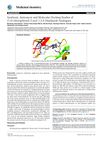 8 citations
,
January 2013 in “Medicinal chemistry”
8 citations
,
January 2013 in “Medicinal chemistry” The compound 4c showed strong potential as an anticancer agent.
14 citations
,
January 1991 in “PubMed” Oxiconazole nitrate cream is effective and well-tolerated for treating various fungal skin infections.
22 citations
,
June 1991 in “Clinical Therapeutics” Oxiconazole nitrate cream is effective and safe for treating various fungal skin infections.
37 citations
,
January 1986 in “Carcinogenesis” ODC expression in mouse skin and tumors is varied and can be inhibited by retinoic acid or cycloheximide.
 January 2020 in “Animal Husbandry Dairy and Veterinary Science”
 Tetracycline successfully treated a Labrador's skin calcification and hair loss.
 3 citations
,
March 2019 in “Journal of Pigmentary Disorders”
3 citations
,
March 2019 in “Journal of Pigmentary Disorders” Clascoterone and minocycline are effective acne treatments with quick results and fewer side effects.
 January 2025 in “Letters in Drug Design & Discovery”
 Ozonated olive oil may effectively treat fungal skin infections.
 1 citations
,
February 2025 in “Notulae Scientia Biologicae”
1 citations
,
February 2025 in “Notulae Scientia Biologicae” Optimized emulgels with Levofloxacin effectively treat eye infections with prolonged drug release and safety.
May 2018 in “Digital ProScholar Media eBooks” The new fluoroquinolone effectively fights certain bacteria.
1 citations
,
June 2011 in “Journal of Dermatological Case Reports” Shaving and applying erythromycin cream and clotrimazole powder effectively treated trichomycosis axillaris.
March 2003 in “International Journal of Antimicrobial Agents” 
New acne treatments like clascoterone and minocycline foam are effective, and using antibiotics carefully is important to avoid resistance.
26 citations
,
January 1992 in “Carcinogenesis” TPA strongly increases ODC activity in certain skin cells, potentially aiding tumor growth.