 354 citations
,
February 2011 in “Genes & Development”
354 citations
,
February 2011 in “Genes & Development” EZH1 and EZH2 are crucial for healthy hair growth and skin repair.
14 citations
,
August 2014 in “The FASEB Journal” CAP1/Prss8 does not activate PAR2 or inhibit PN-1.
September 2019 in “The journal of investigative dermatology/Journal of investigative dermatology” New RIPK4 gene mutations were found to cause a type of skin and limb birth defect.
 27 citations
,
July 2017 in “Scientific Reports”
27 citations
,
July 2017 in “Scientific Reports” N-WASP is essential for healthy skin and preventing inflammation.
52 citations
,
February 2012 in “PloS one” Lack of Ctip2 in skin cells delays wound healing and disrupts hair follicle stem cell markers in mice.
 122 citations
,
June 2002 in “Genes & Development”
122 citations
,
June 2002 in “Genes & Development” Keratin 17 is crucial for early hair strength and cell survival.
380 citations
,
March 2000 in “Proceedings of the National Academy of Sciences” Overexpressing GLI-1 in mice skin can cause tumors like human basal cell carcinomas.
Higher PD-1 levels mean fewer CD8+ T cells in alopecia areata hair follicles.
3 citations
,
April 2019 in “Stem cells international” Markers CRABP1, Nestin, and Ephrin B2 are present in skin cancer environments and may influence their development.
52 citations
,
April 2012 in “Journal of Investigative Dermatology” KRTAP2 genes are crucial for hair structure and may impact hair disorders and treatments.
7 citations
,
July 2019 in “Animals” The KRTAP21-1 gene affects wool yield and can help improve wool production.
13 citations
,
August 1999 in “Journal of Investigative Dermatology” Bikunin is found on the cell boundaries of certain skin layers and may help regulate skin and hair functions.
32 citations
,
January 2020 in “Journal of Molecular Histology” K31 can identify clear secretory cells in human sweat glands.
13 citations
,
April 2019 in “iScience” EGFR helps control how hair grows and forms without needing p53 protein.
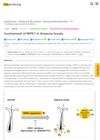
RIPK1 inhibitors might help prevent alopecia areata.
 11 citations
,
March 2013 in “Journal of Applied Biomedicine”
11 citations
,
March 2013 in “Journal of Applied Biomedicine” β-catenin helps hair follicle stem cells grow by activating a specific cell pathway.
 February 2023 in “Scientific Reports”
 Cold Atmospheric Microwave Plasma (CAMP) helps hair cells grow and could potentially treat hair loss.
4 citations
,
May 2025 in “Cells” miR-370-3p slows sheep hair cell growth by blocking SMAD4.
22 citations
,
June 2017 in “Stem cell reports” PTEN helps control the number and health of skin stem cells by working with the protein BMAL1.
 7 citations
,
August 2022 in “Experimental dermatology”
7 citations
,
August 2022 in “Experimental dermatology” Blocking YAP/TAZ could be a new way to treat skin cancer.
36 citations
,
October 2015 in “Cell reports” Gab1 protein is crucial for hair growth and stem cell renewal, and Mapk signaling helps maintain these processes.
 April 2023 in “Journal of Investigative Dermatology”
 Changing YBX1 protein activity affects skin stem cell function and aging.
 February 2025 in “International Journal of Molecular Sciences”
 RIPK1 inhibitors may help prevent alopecia areata by reducing immune cell activity.
 93 citations
,
May 2010 in “European Journal of Cancer”
93 citations
,
May 2010 in “European Journal of Cancer” BI 2536 had limited effectiveness against several advanced cancers and caused significant side effects.
5 citations
,
September 2018 in “Journal of Investigative Dermatology” Keratinocyte cytokines and genetic variations influence the development of moles and skin pigmentation.
 40 citations
,
December 2012 in “PLoS ONE”
40 citations
,
December 2012 in “PLoS ONE” Removing Ctip2 in skin cells causes skin inflammation similar to atopic dermatitis.
GPC1 is important for blood vessel growth in hair follicles and could help treat hair loss.
 November 2024 in “NeoReviews”
 Pallister-Killian Syndrome is a complex genetic disorder requiring coordinated care and genetic counseling.
 153 citations
,
January 2001 in “Science”
153 citations
,
January 2001 in “Science” Using CDK inhibitors on rats showed a reduction in chemotherapy-caused hair loss, but later experiments could not repeat these results.
58 citations
,
July 2005 in “Molecular and Cellular Biology” A specific gene segment can make mouse skin cells glow, helping study hair growth and gene effects.