 28 citations
,
February 2012 in “PLoS ONE”
28 citations
,
February 2012 in “PLoS ONE” A PKP1 gene mutation causes skin fragility and hair loss in Chesapeake Bay retriever puppies.
180 citations
,
April 2002 in “Cell Death and Differentiation”  April 2018 in “Journal of Investigative Dermatology”
 Basonuclin 1 (BNC1) helps skin cells multiply and move, which is crucial for wound healing.
 26 citations
,
December 2020 in “Nature metabolism”
26 citations
,
December 2020 in “Nature metabolism” Rapamycin treatment helps with mitochondrial disease by reducing PKC levels.
4 citations
,
May 2023 in “Pigment Cell & Melanoma Research” BMI1 is essential for preventing hair greying and maintaining hair color.
 May 2026 in “Theranostics”
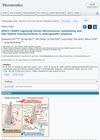
 Targeting DKK3–CKAP4 can help reverse hair loss in androgenetic alopecia.
141 citations
,
November 2007 in “Journal of Investigative Dermatology” Balding cells age faster due to stress, suggesting stress-targeting treatments for hair loss.
53 citations
,
October 2003 in “Genetics” The mK6irs1/Krt2-6g gene likely causes wavy hair in mice.
29 citations
,
June 2015 in “Kidney International” Disrupting the Flcn gene in mice causes early kidney cysts and tumors, which can be treated with rapamycin.
333 citations
,
March 2000 in “Proceedings of the National Academy of Sciences” Overexpressing GLI-1 in mice skin can cause tumors like human basal cell carcinomas.
5 citations
,
April 2022 in “Genes” miR-129-5p affects hair growth by targeting the HOXC13 gene.
Ribonucleotide excision repair is crucial to prevent skin cancer.
15 citations
,
January 1991 in “Mammalian Genome”  4 citations
,
January 2019 in “Annals of Dermatology”
4 citations
,
January 2019 in “Annals of Dermatology” Higher levels of MiR-92a-1-5p and miR-328-3p found in female hair loss patients.
45 citations
,
March 2001 in “Journal of Investigative Dermatology” A new protein, mK6irs, is found in specific hair layers and may help understand hair growth and diseases.
 September 2016 in “Journal of Dermatological Science”
 A specific mutation known for causing cancer is also found to cause a skin condition in a young girl.
8 citations
,
June 2001 in “Journal of Biological Chemistry” A truncated protein linked to breast cancer may change cell adhesion.
226 citations
,
January 2006 in “International review of cytology” Keratin-associated proteins are crucial for hair strength and structure.
Ribonucleotide excision repair is crucial to prevent skin cancer.
38 citations
,
March 1997 in “Journal of interferon & cytokine research” IL-1β inhibits human hair follicle growth.
 April 2017 in “Journal of Investigative Dermatology”
 PRC1 influences skin stem cell development by both turning genes on and off, affecting hair growth and skin cell types.
January 2005 in “Enlighten: Publications (The University of Glasgow)” Melanocyte pathology requires keratinocyte hyperplasia and regulation dysfunction.
 February 2025 in “bioRxiv (Cold Spring Harbor Laboratory)”
 Keratin 15 helps keep skin cells in a young, undifferentiated state.
 2 citations
,
January 2017 in “Folia biologica”
2 citations
,
January 2017 in “Folia biologica” The KRTAP7-1 gene is very similar across different cattle and yak breeds and likely plays a role in hair strength and shape.
2 citations
,
February 2022 in “bioRxiv (Cold Spring Harbor Laboratory)” Impaired LEF1 activation speeds up skin cell development in Hutchinson-Gilford Progeria Syndrome.
GPC1 is important for blood vessel growth in hair follicles and could help treat hair loss.
The microenvironment affects the behavior and survival of melanocytes with the GNAQ oncogene in melanoma.
November 2024 in “Journal of Investigative Dermatology” Genetic changes in specific proteins contribute to hair loss in some women of African descent.
8 citations
,
August 1987 in “The Journal of Dermatology” BKN-1 antibody targets specific keratin in basal cell epithelioma and normal skin basal cells.
 January 2024 in “Wiadomości Lekarskie”
 Pemigatinib may be effective for treating ZMYM2::FGFR1 fusion-positive leukemia.