Natural products may help treat hair loss by promoting hair growth with fewer side effects.
114 citations
,
February 2023 in “International Journal of Molecular Sciences” The skin microbiome is crucial for skin health, and more research is needed to explore its role and potential treatments.
63 citations
,
March 2018 in “Experimental Dermatology” Collagen XVII is vital for skin structure, hair stem cell support, and skin cell regulation.
63 citations
,
February 2017 in “ACS biomaterials science & engineering” Polydopamine is a safe, effective, and permanent hair dye that turns gray hair black in one hour.
39 citations
,
March 2009 in “Dermatology Online Journal” Understanding EGFR roles could lead to new hair loss treatments.
36 citations
,
August 2022 in “Frontiers in Cell and Developmental Biology” Sebaceous glands age due to genetic and environmental factors, affecting sebum production and composition.
 28 citations
,
April 2023 in “Stem cell research & therapy”
28 citations
,
April 2023 in “Stem cell research & therapy” Tiny vesicles from stem cells could be a new treatment for healing wounds.
24 citations
,
May 2022 in “BMC Veterinary Research” lncRNAs play a key role in hair follicle development, affecting cashmere quality and yield.
21 citations
,
August 2024 in “Journal of Clinical Medicine” Proper nutrition can help balance the immune system and reduce allergies.
12 citations
,
May 2024 in “International Journal of Nanomedicine” Stem cell-derived vesicles show promise for healing diabetic wounds.
8 citations
,
August 2025 in “Journal of Translational Medicine” CD44 signaling can help heal wounds without scars.
 6 citations
,
April 2022 in “Biomedicine & pharmacotherapy”
6 citations
,
April 2022 in “Biomedicine & pharmacotherapy” Using three different drugs together may better treat eye diseases like glaucoma and macular degeneration.
 3 citations
,
January 2021 in “Journal of Research in Medical Sciences”
3 citations
,
January 2021 in “Journal of Research in Medical Sciences” Certain medications can impact metabolic syndrome, with some improving conditions like high blood sugar and others having no effect.
2 citations
,
April 2025 in “Plants” Lambertianic acid helps prevent muscle wasting.
2 citations
,
June 2023 in “PeerJ” Chronic inflammation can cause cancer by making stem cells divide and mutate.
 April 2026 in “Amino Acids”
 Polyamines are crucial for skin tumor development, and inhibiting them can prevent tumors.
 February 2025 in “International Journal of Molecular Sciences”
 Altered lipid pathways in diabetic women may cause premature greying.
January 2025 in “Open Medicine” Acne may signal underlying metabolic issues, and lifestyle changes can help manage both.
March 2009 in “Dermatology Online Journal” Manipulating EGFR signaling may help treat hair loss and promote hair growth.
February 2023 in “Materials today bio” The treatment effectively promotes hair regrowth in androgenetic alopecia without causing skin irritation.
138 citations
,
April 2003 in “Carcinogenesis” 2-Methoxyestradiol causes cancer cell death by activating specific pathways, but androgens can block this effect.
80 citations
,
June 2002 in “Molecular Biology of the Cell” Type II keratins are uniquely phosphorylated during stress and mitosis, affecting their structure and function.
 7 citations
,
December 2008 in “Journal of Dermatological Science”
7 citations
,
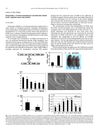
December 2008 in “Journal of Dermatological Science” Progranulin overexpression leads to shorter, thinner hair and increased cell death in mouse hair follicles.
6 citations
,
March 2009 in “Pigment Cell & Melanoma Research” A sphingolipid from human placenta may help treat vitiligo by activating melanocyte stem cells.
 2 citations
,
March 2022 in “Applied sciences”
2 citations
,
March 2022 in “Applied sciences” Lespedeza bicolor extract promotes hair growth and increases hair follicle cell growth, potentially making it a better treatment than minoxidil.
2 citations
,
December 2024 in “Sohag Medical Journal” Insulin resistance can lead to skin problems like acne and psoriasis.
 June 2017 in “Journal of The American Academy of Dermatology”
 LED light helps hair follicle cells grow and prevents them from dying by activating certain cell pathways.
 May 2017 in “Journal of The American Academy of Dermatology”
 LED light helps human hair root cells grow and move by activating certain cell pathways.
 May 2017 in “Journal of The American Academy of Dermatology”
 LED light helps human hair root cells grow and prevents them from dying by activating specific growth pathways.
January 2016 in “프로그램북(구 초록집)” LED light promotes hair growth by stimulating cell proliferation and reducing cell death.