 June 2003 in “Obstetrical & Gynecological Survey”
 After chemotherapy for a gestational trophoblastic tumor, normal pregnancy rates are possible, but there's a slightly higher risk of the tumor reoccurring in future pregnancies.
 June 2003 in “Obstetrical & Gynecological Survey”
 Postmenopausal ovary stromal cells have a unique makeup and limited steroid production, suggesting androgens come from the adrenal gland.
 22 citations
,
November 2011 in “Journal of Analytical Toxicology”
22 citations
,
November 2011 in “Journal of Analytical Toxicology” Scientists have developed a new method to detect steroid abuse in athletes using cell-based tests, which could be the future of anti-doping methods.
 9 citations
,
June 2002 in “Best Practice & Research in Clinical Obstetrics & Gynaecology”
9 citations
,
June 2002 in “Best Practice & Research in Clinical Obstetrics & Gynaecology” Testosterone therapy can help women with androgen deficiency by improving energy, sex drive, and bone health with few side effects.
 7 citations
,
January 2025 in “Archives of Gynecology and Obstetrics”
7 citations
,
January 2025 in “Archives of Gynecology and Obstetrics” Differentiating PCOS from NCAH helps improve diagnosis and treatment.
 4 citations
,
September 2020 in “Andrologia”
4 citations
,
September 2020 in “Andrologia” Oregano extract helps fix testis and sperm damage caused by finasteride.
 1 citations
,
May 2009 in “Wiley-Blackwell eBooks”
1 citations
,
May 2009 in “Wiley-Blackwell eBooks” Early treatment of PCOS in teens is crucial to prevent long-term health issues like diabetes and heart disease.
 December 2024 in “Era s journal of medical research”
 Genetic variants in CYP genes may worsen PCOS symptoms.
 June 2018 in “Reactions Weekly”
 A 65-year-old man developed a serious skin cancer linked to a drug he was taking for a fungal infection after a bone marrow transplant.
August 2002 in “British journal of ophthalmology” Surgical excision is the best treatment for SCC, but intralesional cidofovir might be a viable alternative.
11 citations
,
May 2008 in “British journal of dermatology/British journal of dermatology, Supplement” Identical p53 gene mutations in different cancers suggest the need for careful treatment.
21 citations
,
August 2002 in “British Journal of Ophthalmology” Intralesional cidofovir may be a viable alternative treatment for SCC.
 24 citations
,
January 2019 in “Theranostics”
24 citations
,
January 2019 in “Theranostics” Loss of Pten in certain hair follicle stem cells increases skin cancer risk.
 5 citations
,
July 2022 in “Orphanet journal of rare diseases”
5 citations
,
July 2022 in “Orphanet journal of rare diseases” RSPO1 mutations in certain patients lead to skin cells that don't develop properly and are more likely to become invasive, increasing the risk of skin cancer.
2 citations
,
August 2022 in “World Journal of Clinical Cases” Albumin and prednisone improved symptoms in a woman with Cronkhite-Canada syndrome, revealing potential genetic causes.
64 citations
,
February 2008 in “Cancer Research” Inactivating both p53 and Rb genes in mice speeds up aggressive skin cancer development.
32 citations
,
August 2020 in “American Journal Of Pathology” S100A4 promotes aggressive ovarian cancer and is a potential treatment target.
Loss of the p53 gene alone causes tumors, and losing both p53 and Rb genes speeds up aggressive skin cancer.
4 citations
,
August 2002 in “British Journal of Ophthalmology” Surgical excision is the best treatment for SCC.
Loss of the p53 gene alone causes tumors, and losing both p53 and Rb genes speeds up aggressive skin cancer.
3 citations
,
November 2011 in “Small GTPases” Researchers found that hair follicle stem cells can become squamous cell carcinoma due to Ras activation, which could lead to new treatments.
 5 citations
,
September 2017 in “Medicine”
5 citations
,
September 2017 in “Medicine” A patient with Cronkhite-Canada Syndrome developed colon cancer that spread to the liver, showing the need for regular cancer checks in such patients.
 1 citations
,
April 2017 in “Journal of Investigative Dermatology”
1 citations
,
April 2017 in “Journal of Investigative Dermatology” A new one-step test can quickly identify skin cancer during surgery.

A 70-year-old man with skin cancer on both sides of his forehead was treated with surgery and cryotherapy, highlighting the need for early detection and prevention.
ETS2 is crucial in squamous cell carcinoma development and could be a therapeutic target.
10 citations
,
August 2002 in “British Journal of Ophthalmology” Surgical excision is the best treatment for SCC, but intralesional cidofovir might be a good alternative.
3 citations
,
April 2012 in “Cancer research” Mouse skin cancer progression involves a unique group of cells marked by ABCG2 and MTS24.
 August 2013 in “Gastroenterology”
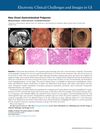
 A 60-year-old man with Cronkhite-Canada syndrome improved with treatment, but the condition has a high mortality rate and a risk of colorectal cancer.
July 2024 in “Journal of Investigative Dermatology” A new test helps find drugs to treat head and neck cancer by targeting c-Rel.
January 2009 in “Epsilon: Revista de la Sociedad Andaluza de Educación Matemática "Thales"” A CCS patient with severe complications was successfully treated using combined therapies.