75 citations
,
June 2007 in “Journal of Biological Chemistry” MT-DADMe-ImmA can selectively kill head and neck cancer cells without harming normal cells.
10 citations
,
May 2020 in “Frontiers in cell and developmental biology” MicroRNAs are important for hair growth regulation, with Dicer being crucial and Tarbp2 less significant.
 5 citations
,
September 2022 in “Antioxidants”
5 citations
,
September 2022 in “Antioxidants” A substance from Caulerpa racemosa seaweed may protect against skin damage caused by air pollution by reducing oxidative stress and cell death.
 5 citations
,
November 2021 in “Frontiers in Cell and Developmental Biology”
5 citations
,
November 2021 in “Frontiers in Cell and Developmental Biology” Caffeine can damage hearing cells and affect hearing recovery after ear trauma.
13 citations
,
December 2017 in “Stem cells” Low-dose radiation affects hair stem cell function and survival by changing their genetic material's structure.
1 citations
,
December 2023 in “Biomolecules” Regulating cell death in hair follicles can help prevent hair loss and promote hair growth.
18 citations
,
February 2017 in “Molecular Medicine Reports” Activating Notch signaling can kill basal cell carcinoma cells.
 9 citations
,
November 2021 in “Frontiers in Cell and Developmental Biology”
9 citations
,
November 2021 in “Frontiers in Cell and Developmental Biology” PBX1 helps reduce aging and cell death in hair follicle stem cells by decreasing DNA damage, not by improving DNA repair.
 2 citations
,
June 2022 in “Molecules”
2 citations
,
June 2022 in “Molecules” Connarus semidecandrus Jack extract promotes hair growth and thickness, reduces prostate cancer cell growth, and could potentially be used as a treatment for hair loss.
7 citations
,
January 2024 in “Cancer Research Communications” TAp63 and NRF2 work together to manage oxidative stress, preventing premature aging and aiding skin functions.
 17 citations
,
January 2010 in “International journal of trichology”
17 citations
,
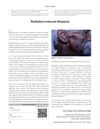
January 2010 in “International journal of trichology” A man experienced hair loss from radiotherapy, which can be temporary or permanent depending on radiation dose, with potential treatments available.
2 citations
,
January 2025 in “International Journal of Molecular Sciences” Chitosan-encapsulated Cordyceps militaris reduces lung cell damage from pollution.
Boosting certain cell signals can prevent hair loss from chemotherapy and radiation.
Boosting certain cell signals can prevent hair loss from chemotherapy and radiation.
 3 citations
,
September 2022 in “Molecules”
3 citations
,
September 2022 in “Molecules” Camellia seed cake extract may help hair growth by blocking the hair loss effects of a hormone called DHT.
 March 2025 in “Aging Cell”
 Reducing IGF-1 can help rejuvenate hair follicles and prevent hair graying and loss.
April 2022 in “Journal of Investigative Dermatology” Hair shaft miniaturization leads to hair follicle stem cell loss, suggesting Piezo1 as a potential treatment target.
71 citations
,
February 2012 in “The American Journal of Human Genetics” A specific ATR gene mutation is linked to a hereditary oropharyngeal cancer syndrome.
 5 citations
,
February 2017 in “Biomolecules & Therapeutics”
5 citations
,
February 2017 in “Biomolecules & Therapeutics” 4-O-Methylhonokiol helps protect skin cells from growth-stopping effects of a protein by regulating growth-related pathways.
October 2024 in “Cosmetics” Electric stimulation at 448 kHz can promote hair growth by enhancing cell activity in hair follicles.
665 citations
,
April 2016 in “Nature communications” Blocking specific proteins can help remove aging cells and might treat age-related diseases and promote hair growth.
380 citations
,
March 2000 in “Proceedings of the National Academy of Sciences” Overexpressing GLI-1 in mice skin can cause tumors like human basal cell carcinomas.
36 citations
,
August 2022 in “Frontiers in Cell and Developmental Biology” Sebaceous glands age due to genetic and environmental factors, affecting sebum production and composition.
14 citations
,
July 2015 in “International Journal of Molecular Sciences” S-Methylmethionine sulfonium can protect skin from UVB damage.
5 citations
,
July 2022 in “Genes” Increasing EGR1 levels makes hair root cells grow faster.
 3 citations
,
June 2023 in “The journal of investigative dermatology/Journal of investigative dermatology”
3 citations
,
June 2023 in “The journal of investigative dermatology/Journal of investigative dermatology” The conclusion suggests that focusing on certain cellular pathways may improve the prevention and repair of hair loss caused by radiotherapy.
1 citations
,
April 2015 in “InTech eBooks” RAGE is a potential target for melanoma treatment, but its effectiveness is uncertain due to variable expression levels.
May 2026 in “Science Advances” Caloric stress and differentiation increase IRES translation, affecting stem cell function and potential therapies.
 December 2024 in “Frontiers in Genetics”
 EGFR and mTOR inhibitors may help manage Olmsted syndrome symptoms.
August 2025 in “American Journal of Dermatopathology” Accurate diagnosis and personalized treatment are crucial in dermatopathology.