11 citations
,
December 2009 in “Cell stem cell” Sox2-expressing cells can help grow hair and heal skin.
10 citations
,
July 2001 in “PubMed” A new type of pachyonychia congenita may exist, caused by a different keratin mutation.
October 2011 in “한국생물공학회 학술대회” 24 citations
,
December 2013 in “Archives of Dermatological Research” February 2026 in “Biomedicine & Pharmacotherapy” MLPH helps hair grow by activating IGF-1 signaling in hair cells.
January 1964 in “OSTI OAI (U.S. Department of Energy Office of Scientific and Technical Information)” CXCL7 is essential for muscle repair by aiding early neutrophil infiltration.
11 citations
,
March 2021 in “Molecular Carcinogenesis” Twist1 is crucial for UVB-induced skin cancer development.
 10 citations
,
January 2010 in “Veterinary pathology”
10 citations
,
January 2010 in “Veterinary pathology” A new mutation in the hairless gene causes hair loss and skin wrinkling in mice.
89 citations
,
March 1996 in “Proceedings of the National Academy of Sciences” CD18-deficient mice developed psoriasis-like skin disease, useful for studying inflammatory skin disorders.
Arabidopsis Formin 2 stabilizes actin filaments to aid cell-to-cell trafficking.
24 citations
,
November 2003 in “The FASEB Journal” Epimorphin helps start hair growth in mice.
33 citations
,
December 1999 in “Journal of Investigative Dermatology Symposium Proceedings” 6 citations
,
June 2021 in “The journal of investigative dermatology/Journal of investigative dermatology” A mutation in the SREBF1 gene causes both hereditary mucoepithelial dysplasia and IFAP syndrome, which are related conditions.
Type XVII collagen helps control skin cell growth and may have anti-aging effects.
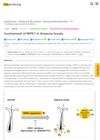
RIPK1 inhibitors might help prevent alopecia areata.
 April 2019 in “The journal of investigative dermatology/Journal of investigative dermatology”
 848 genes related to fat and metabolism are less active in people with Central Centrifugal Cicatricial Alopecia.
 171 citations
,
July 2007 in “Journal of Investigative Dermatology”
171 citations
,
July 2007 in “Journal of Investigative Dermatology” A substance called DKK-1 increases in balding areas and causes hair cells to die when exposed to DHT.
 12 citations
,
January 2014 in “Cell structure and function”
12 citations
,
January 2014 in “Cell structure and function” Different combinations of human hair keratins affect how hair fibers form.
 60 citations
,
August 2008 in “Human molecular genetics online/Human molecular genetics”
60 citations
,
August 2008 in “Human molecular genetics online/Human molecular genetics” A position effect on the TRPS1 gene causes excessive hair growth in humans and mice.
 March 2026 in “The Indian Journal of Animal Sciences”
 All Indian dromedary camel breeds have the same KRTAP7 gene affecting hair quality.
January 2025 in “Journal of Bioresource Management” ATR is crucial for DNA repair and cell survival after UV exposure.
 April 2018 in “Journal of Investigative Dermatology”
 IL-17C is important in inflammatory skin diseases and could be a target for treatment.
 January 1999 in “American Journal of Medical Genetics Part A”
 The report expanded knowledge of MBTPS1-related disorders by identifying new symptoms.
90 citations
,
August 2004 in “Physiological Genomics” Dermal papilla cells help skin stem cells grow into hair.
1 citations
,
August 2015 in “Experimental Dermatology” KIT's role in skin cells is not entirely independent, as other cells can influence its function.
 July 2023 in “British journal of dermatology/British journal of dermatology, Supplement”
 Skin tumors with CYLD cutaneous syndrome show more NF-κB activity and less organized collagen.
4 citations
,
October 2021 in “Journal of Clinical Medicine” Carriers of a specific gene mutation have subtle skin changes without visible symptoms.
 29 citations
,
January 2017 in “Journal of Investigative Dermatology”
29 citations
,
January 2017 in “Journal of Investigative Dermatology” The Msi2 protein helps keep hair follicle stem cells inactive, controlling hair growth and regeneration.
 April 2017 in “Journal of Investigative Dermatology”
 Deleting the CRIF1 gene in mice disrupts skin and hair formation, certain proteins affect hair growth, a new compound may improve skin and hair health, blood cell-derived stem cells can create skin-like structures, and hair follicle stem cells come from embryonic cells needing specific signals for development.
13 citations
,
January 2002 in “Biological chemistry” Different conditions affect how hair proteins assemble, and certain mutations can change their structure.