 3 citations
,
August 2017 in “International journal of reproduction, contraception, obstetrics and gynecology”
3 citations
,
August 2017 in “International journal of reproduction, contraception, obstetrics and gynecology” People with PCOS have higher levels of PAI-1, which may increase their risk of heart disease and fertility issues.
 2 citations
,
February 2023 in “BMC women's health”
2 citations
,
February 2023 in “BMC women's health” Birth control pills change the activity of certain inflammation and blood clotting genes in women with PCOS.
 29 citations
,
January 2009 in “Gynecological Endocrinology”
29 citations
,
January 2009 in “Gynecological Endocrinology” Women with PCOS have higher levels of certain blood clotting factors, suggesting a greater risk of cardiovascular issues.
 29 citations
,
September 2012 in “Birth Defects Research”
29 citations
,
September 2012 in “Birth Defects Research” Wounds heal without scarring in early development but later result in scars, and studying Wnt signaling could help control scarring.
 21 citations
,
July 2016 in “Gynecological Endocrinology”
21 citations
,
July 2016 in “Gynecological Endocrinology” Obese and non-obese women with PCOS have higher heart risk markers, especially if they are obese.
37 citations
,
November 2007 in “Journal of Biological Chemistry” Ku80 is a key receptor for Thymosin β4, affecting cell migration and wound healing.
 January 2018 in “Genetic engineering & biotechnology news”
 A genetic mutation linked to longer life and less disease was found in the Amish, and a drug is being developed to replicate these benefits.

Removing SIX1 in fat cells reduces skin fibrosis.
1 citations
,
February 2023 in “Russian Journal of Bioorganic Chemistry” The new compound may be a safer alternative to finasteride for prostate protection.
 1 citations
,
December 2022 in “Biomolecules & therapeutics”
1 citations
,
December 2022 in “Biomolecules & therapeutics” Minoxidil may help reduce aging effects in brain cells.
 18 citations
,
July 2010 in “Expert Review of Endocrinology & Metabolism”
18 citations
,
July 2010 in “Expert Review of Endocrinology & Metabolism” The document concludes that PCOS has a strong genetic component, but more research is needed to fully understand the specific genes involved.
 August 2015 in “MOJ proteomics & bioinformatics”
 ePUKs could be valuable for regenerative medicine due to their wound healing abilities.
 August 2021 in “Journal of Investigative Dermatology”
 Stress causes hair loss by making the body produce cortisol, which stops hair cells from growing.
April 2023 in “Journal of Investigative Dermatology” Contact immunotherapy can change immune responses in alopecia areata, suggesting new treatment targets.
 65 citations
,
February 2015 in “Neuro-Oncology”
65 citations
,
February 2015 in “Neuro-Oncology” Alisertib was found to be an effective and tolerable treatment for children with recurrent brain tumors.
 May 2024 in “Open Repository of the University of Porto (University of Porto)”
 Pharmacists play a crucial role in patient education and personalized care.
88 citations
,
June 2019 in “Cell reports” Certain small molecules can promote hair growth by activating a cellular cleanup process called autophagy.
 April 2026 in “Signal Transduction and Targeted Therapy”
 Balancing testosterone may reduce COVID-19 severity.
 106 citations
,
April 2010 in “ACS Nano”
106 citations
,
April 2010 in “ACS Nano” C60 fullerenes can alter protein function and may help develop new disease inhibitors.
 April 2025 in “Journal of Investigative Dermatology”
 High LH levels cause hair loss by damaging and aging hair follicles.
 April 2019 in “Journal of Investigative Dermatology”
 New vitamin D3 forms need the vitamin D receptor to reduce fibrosis in human cells.
 11 citations
,
July 2015 in “Gene”
11 citations
,
July 2015 in “Gene” DHT affects bone growth by altering gene activity in osteoblasts, potentially complicating steroid use.
 January 2023 in “Brazilian Journals Editora eBooks”
 Passiflora incarnata may help with anxiety and sleep issues but has side effects; teleconsultation for heart failure can improve quality of life; increased screen time for children during the pandemic led to more clinical complaints; older and severely affected COVID-19 patients are more likely to have long-term symptoms.
 January 2023 in “Brazilian Journals Editora eBooks”
 Passiflora incarnata may help with anxiety but has risks and drug interactions.
There's a genetic link between Fragile X Syndrome and Autism Spectrum Disorder.
6.7% of urine cultures showed hospital-acquired urinary tract infections.
Children used screens more during COVID-19, causing various health complaints.
Autism Spectrum Disorder is often underdiagnosed in females.
Dissociative disorders in childhood sexual abuse victims are more common in males.
Most pregnant teenagers are not dissatisfied with their body image but worry about weight.
Diagnosing tuberculosis after knee surgery is challenging due to non-specific symptoms.
Post-COVID-19 syndrome is more common in older, severely affected patients.
Psychiatrists should be part of pain management teams due to the psychological aspects of pain.
 1 citations
,
May 2025 in “The Journal of Rheumatology”
1 citations
,
May 2025 in “The Journal of Rheumatology” Upadacitinib may help treat difficult cases of systemic lupus erythematosus.
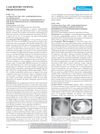 May 2025 in “The Journal of Rheumatology”
 Antiphospholipid syndrome can severely damage adrenal glands, requiring early diagnosis and treatment.
 54 citations
,
October 2024 in “Nature Communications”
54 citations
,
October 2024 in “Nature Communications” Molybdenum oxide nanozymes can effectively treat and monitor acute kidney injury by reducing oxidative stress.
January 2026 in “Therapeutics” SCUBE3 is a potential target for cancer and alopecia treatment but is challenging to target due to its varied roles.
 2 citations
,
November 2018 in “Indian Journal of Pharmaceutical Education”
2 citations
,
November 2018 in “Indian Journal of Pharmaceutical Education” The developed model can predict effective 5-alpha-reductase enzyme inhibitors.
3 citations
,
August 2013 in “Journal of the American Academy of Dermatology” A new method quickly detects hair changes from EGFR inhibitors using a microscope.