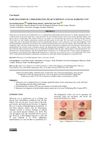
 March 2022 in “Folia Medica Indonesiana”
 The lump on a woman's scalp was a rare, potentially cancerous tumor from the hair follicle, not a common cyst.
34 citations
,
October 1975 in “Biochimica et Biophysica Acta (BBA) - Nucleic Acids and Protein Synthesis” 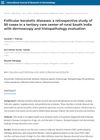 December 2025 in “International Journal of Research in Dermatology”
 Keratosis pilaris is common in young females, and dermoscopy helps diagnose it accurately.
 November 2023 in “BMJ case reports”
 A man in his 30s had patchy hair loss on his leg due to primary follicular mucinosis.
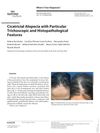 November 2018 in “Skin appendage disorders”
 The document concludes that a woman has both Frontal Fibrosing Alopecia and Lichen Simplex Chronicus, a previously unreported combination of conditions.
28 citations
,
July 1980 in “British Journal of Dermatology” The hair disorder was caused by abnormal protein formation, making hair easily damaged.
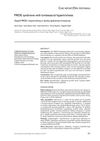 January 2022 in “Dermatology Review”
 EGFR inhibitors can cause unusual localized hair growth.
1 citations
,
November 2022 in “Diagnostics” A woman with a rare hormone resistance condition also had missing teeth and hair loss, which might be new symptoms of her genetic disorder.
 October 2023 in “Research Square (Research Square)”
 Polynucleotide gel injections help reduce hair loss and increase hair thickness in people with pattern hair loss, with few side effects.
October 2019 in “European Journal of Dermatology” The boy's hair and skin color differences are due to a pigmentation disorder.
 78 citations
,
April 1994 in “Archives of dermatology”
78 citations
,
April 1994 in “Archives of dermatology” The study found that Keratosis Pilaris Atrophicans is a genetic skin condition that starts in childhood, involves inflammation and scarring, and current treatments are only somewhat effective.
24 citations
,
July 2014 in “Journal of Investigative Dermatology” Nagashima-type palmoplantar keratosis in Asians is caused by a SERPINB7 gene mutation.
January 2025 in “International journal of research studies in biosciences” Mitochondrial dysfunction and oxidative stress may play a role in Lichen Planopilaris.
 April 2023 in “The journal of investigative dermatology/Journal of investigative dermatology”
 Too much IKZF1 and Ikaros protein may cause alopecia areata.
January 1996 in “Studia iuridica” Two new gene mutations cause a rare hair disorder.
 5 citations
,
January 2016 in “Skin appendage disorders”
5 citations
,
January 2016 in “Skin appendage disorders” A rare skin condition called linear lichen planopilaris caused itchy red bumps and hair loss on a man's face.
47 citations
,
September 2012 in “Human molecular genetics online/Human molecular genetics” Folliculin deficiency causes problems with cell division and positioning due to disrupted RhoA signaling and interaction with p0071.
April 2005 in “Journal of Investigative Dermatology” Vitamin D helps protect skin, PSORS1 gene's risk interval for psoriasis is expanded, hair follicles can be generated from mouse cells, and interferon-γ may cause pigmented skin lesions.
29 citations
,
January 2020 in “Frontiers in endocrinology” Fibrodysplasia ossificans progressiva is a rare genetic disorder that causes extra bone growth and symptoms of premature aging.
 January 2023 in “Frontiers in bioscience”
 Artemis protein may help control hair growth and health by influencing cell processes.
July 2025 in “Human Genomics” New LSS gene variants help understand congenital hypotrichosis 14 better.
18 citations
,
November 2005 in “European Journal of Cell Biology” Keratin gene clusters in humans and marsupials are similarly organized.
October 2020 in “Faculty Opinions – Post-Publication Peer Review of the Biomedical Literature” Stem cell niche exit in C. elegans is influenced by Sh1 cell membrane protrusions.
 3 citations
,
August 2019 in “International Journal of Dermatology”
3 citations
,
August 2019 in “International Journal of Dermatology” Dermoscopy is useful for diagnosing lichen planopilaris and certain features may relate to disease duration, age, and gender.
5 citations
,
April 2019 in “DOAJ (DOAJ: Directory of Open Access Journals)” Stopping shaving or removing hair follicles usually resolves Pseudofolliculitis barbae.
November 2025 in “The Journal of Immunology” Different γδ T cell types have unique roles in causing alopecia areata.
 1 citations
,
May 2024 in “Cureus”
1 citations
,
May 2024 in “Cureus” Lichen planopilaris can unusually affect only the face, causing pigmentation and scarring.
A KRT32 gene variant causes loose anagen hair syndrome.
39 citations
,
December 2012 in “The American Journal of Human Genetics” Mutations in the SNRPE gene cause hereditary hair loss.
January 2026 in “Case Reports in Dermatological Medicine” Intralesional steroids effectively treated a young female's scalp nodules without recurrence.