7 citations
,
January 2025 in “Journal of Experimental & Clinical Cancer Research” PRMT5 inhibitors effectively fight adenoid cystic carcinoma in salivary glands.
 July 2025 in “Dermatologic Surgery”
 PRP may increase hair density but doesn't improve quality of life in breast cancer survivors with hair loss.
18 citations
,
January 1988 in “Acta oncologica” Retinol palmitate may reduce cancer relapses in early-stage lung cancer patients.
 October 2025 in “Journal of Veterinary Clinics”
 A tailored treatment improved a Pomeranian dog's skin and hair issues caused by a vaccine.
January 2026 in “The Breast Journal” Understanding specific symptoms in different cancer stages can improve personalized care and quality of life.
294 citations
,
March 2016 in “European journal of cancer” Neoadjuvant chemotherapy followed by surgery leads to fewer severe complications and better quality of life than immediate surgery in advanced ovarian cancer patients with high tumor load.
February 2025 in “Diagnostics” Most patients improved in both atopic dermatitis and alopecia areata with certain treatments, but some had worsened symptoms, suggesting personalized care is needed.
 28 citations
,
December 2006 in “Clinical lung cancer”
28 citations
,
December 2006 in “Clinical lung cancer” Early recognition and management of skin side effects from new cancer therapies can prevent treatment delays.
 15 citations
,
January 2014 in “Anais Brasileiros de Dermatologia”
15 citations
,
January 2014 in “Anais Brasileiros de Dermatologia” Lupus treatment requires a combination of drugs and therapies, with research needed for new options.
 1 citations
,
January 2023 in “Przegląd Dermatologiczny”
1 citations
,
January 2023 in “Przegląd Dermatologiczny” The Polish Society of Dermatology recommends treatments for alopecia areata that vary by severity, including topical and systemic medications, with long-term maintenance important for management.
 19 citations
,
October 2008 in “Journal der Deutschen Dermatologischen Gesellschaft”
19 citations
,
October 2008 in “Journal der Deutschen Dermatologischen Gesellschaft” Anti-cancer treatments can cause reversible hair loss, skin sensitivity, pigmentation changes, nail damage, and skin reactions, with a need for more research on managing these side effects.
July 2025 in “Journal of Investigative Dermatology” High-dose UVA-1 therapy improves symptoms and skin condition in sclerosing skin disease.
 June 2017 in “Journal of evolution of medical and dental sciences”
 About 22% of cancer patients had skin-related side effects from chemotherapy, but these were usually not severe enough to halt treatment.
2 citations
,
December 2023 in “Pharmaceutics” Inhaling medicine may reduce side effects and improve treatment for a major lung cancer type.
3 citations
,
March 2016 in “Practical radiation oncology” Total skin electron therapy is an effective treatment for mycosis fungoides, balancing effectiveness and side effects.
Low-intensity ultrasound may prevent hair loss during taxane chemotherapy.
 June 2024 in “Journal of Clinical Oncology”
 The combination of TACE and Donafenib is effective and tolerable for treating unresectable liver cancer.
7 citations
,
July 2019 in “Asian Journal of Oncology” Guduchi and Yashtimadhu can reduce chemotherapy side effects.
26 citations
,
November 2022 in “European journal of medical research” Nanoparticles can effectively treat diseases by modifying blood vessel growth.
March 2015 in “DergiPark (Istanbul University)” PUVA treatment is effective and safe for alopecia areata.
13 citations
,
November 2021 in “Frontiers in Molecular Biosciences” Reducing reactive oxygen species can help treat nerve damage from platinum cancer drugs.
1 citations
,
July 2021 in “Frontiers in Oncology” Neoadjuvant endocrine therapy led to a better future outlook than chemotherapy, with no major quality of life differences.
Doctors recommend postoperative radiation for male breast cancer, advise against testosterone for vasomotor symptoms post-adrenalectomy, suggest non-hormonal treatments for atrophic vaginitis after mastectomy, note no specific treatment for anticoagulant-induced hair loss, and call for more research on silicosis from silicon carbide exposure.
60 citations
,
August 2022 in “ESMO Open” Trastuzumab deruxtecan is effective for HER2-positive breast cancer but requires careful management of side effects.
January 1975 in “NJEA Review” The drug showed promise in treating renal cell carcinoma with manageable side effects.
April 2022 in “JAAD case reports” Alitretinoin helped clear up a skin condition called generalized granuloma annulare in an elderly man.
3 citations
,
October 2024 in “Cancers” Skin side effects from melanoma immunotherapy are common and may indicate better survival.
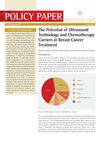
Ultrasound and nanocarriers could make breast cancer treatment safer and more effective.
The treatment was not recommended due to limited effectiveness and significant side effects.
 1 citations
,
September 2024 in “Frontiers in Pharmacology”
1 citations
,
September 2024 in “Frontiers in Pharmacology” Aumolertinib effectively controls lung cancer and improves quality of life.