 1 citations
,
February 2009 in “Journal of Investigative Dermatology”
1 citations
,
February 2009 in “Journal of Investigative Dermatology” Lipase H is important for hair follicle function and shaping hair fibers.
20 citations
,
January 2015 in “Biochimica and biophysica acta. Molecular and cell biology of lipids” Lysophosphatidic acid affects sensory neurons and may cause neuropathic pain and itch.
29 citations
,
January 2020 in “BioMed Research International” Sinapic acid may help fight obesity and promote hair growth.
June 2020 in “The journal of investigative dermatology/Journal of investigative dermatology” Different diets change the fat composition in mouse skin, often reducing beneficial omega-3 fatty acids.
 19 citations
,
March 1961 in “Nature”
19 citations
,
March 1961 in “Nature” A fatty acid/protein complex in human hair helps protect it from damage.
 22 citations
,
June 2012 in “PLOS ONE”
22 citations
,
June 2012 in “PLOS ONE” Cholesterol-related compounds can stop hair growth and cause inflammation in a type of scarring hair loss.
 8 citations
,
April 2022 in “The journal of investigative dermatology/Journal of investigative dermatology”
8 citations
,
April 2022 in “The journal of investigative dermatology/Journal of investigative dermatology” Certain genetic changes in the LSS gene cause a rare skin and hair condition.
1 citations
,
January 2013 4 citations
,
September 1977 in “Lipids” Gerbils on a fat-deficient diet had altered fatty acid levels, hair loss, reduced sperm, and lower body weight.
 April 2019 in “The journal of investigative dermatology/Journal of investigative dermatology”
 848 genes related to fat and metabolism are less active in people with Central Centrifugal Cicatricial Alopecia.
14 citations
,
July 1977 in “PubMed” Applying linoleic acid to the skin fixed essential fatty acid deficiency symptoms.
1 citations
,
April 2007 in “The FASEB Journal” Lack of certain fatty acids causes skin, immune, and fertility issues in mice.
January 2005 in “Life sciences” Targeting LPA could help treat skin disorders.
 59 citations
,
January 2015 in “Nanoscale”
59 citations
,
January 2015 in “Nanoscale” The new micelle formulation delivers acne treatment more effectively and safely than current gels.
25 citations
,
May 2016 in “Molecular biology of the cell” A protein in plants needs to bind two lipids to help with root hair growth, and this process is similar across different plant species.
 5 citations
,
September 2011 in “Bioorganic & Medicinal Chemistry Letters”
5 citations
,
September 2011 in “Bioorganic & Medicinal Chemistry Letters” Pfizer found that pantolactam-based compounds can reduce sebum (skin oil) production when applied topically.
1 citations
,
August 2016 DHA derivatives, especially didocosahexaenoin, effectively kill prostate cancer cells and may offer a safer cancer treatment option.
 1 citations
,
February 2014 in “Archiv Der Pharmazie”
1 citations
,
February 2014 in “Archiv Der Pharmazie” Carbamates may help treat androgen-dependent conditions by changing how certain lipid enzymes are produced.
14 citations
,
July 1977 in “Archives of Dermatology” Applying linoleic acid to the skin can reverse essential fatty acid deficiency symptoms.
38 citations
,
January 2017 in “PPAR Research” PPAR-γ helps control skin oil glands and inflammation, and its disruption can cause hair loss diseases.
January 2016 in “Zurich Open Repository and Archive (University of Zurich)” Dietary L-serine supplementation can reduce symptoms of HSAN1 by lowering harmful 1-deoxySL levels.
 11 citations
,
June 2001 in “PubMed”
11 citations
,
June 2001 in “PubMed” Coconut oil can penetrate hair better than mineral oil, potentially protecting against damage.
8 citations
,
June 2024 in “Pharmaceutics” PEA-ENL improves skin delivery and reduces inflammation without side effects.
 1 citations
,
July 2018 in “Journal of The American Academy of Dermatology”
1 citations
,
July 2018 in “Journal of The American Academy of Dermatology” Sebaceous glands are often preserved and PPARy expression is constant in some cases of Central Centrifugal Cicatricial Alopecia.
28 citations
,
January 2016 in “RSC Advances” A non-toxic formula using polycarboxylic acids strengthens and improves hair.
January 2025 in “Journal of applied science and environmental management” Palm oil-treated banana and plantain peel extracts can act as natural food preservatives due to their anti-fungal properties.
16 citations
,
June 2015 in “The journal of investigative dermatology/Journal of investigative dermatology” The enzyme DHHC13 is essential for healthy hair and skin, and its deficiency leads to hair loss and skin problems.
8 citations
,
July 1977 in “Lipids” High levels of certain fats in rapeseed oil can reduce the skin's ability to produce prostaglandin E2 and cause hair loss and skin issues in rats.
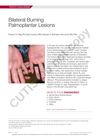
The woman was diagnosed with lichen sclerosus, a rare skin condition, after initial misdiagnosis and ineffective treatments.
 24 citations
,
December 2018 in “Life sciences”
24 citations
,
December 2018 in “Life sciences” Lysophosphatidic acid is important for skin health and disease, and could be a target for new skin disorder treatments.