 7 citations
,
September 2022 in “Communications biology”
7 citations
,
September 2022 in “Communications biology” Omega-6 fats in certain cells boost male hormone production.
 3 citations
,
September 2020 in “Journal of cosmetic dermatology”
3 citations
,
September 2020 in “Journal of cosmetic dermatology” Coconut oil makes hair stronger and more flexible than mineral oil.
 September 2016 in “Journal of the Society of Cosmetic Scientists of Korea”
 Pine resin and abietic acid were found to promote hair growth in mice.
 October 2023 in “Benha Journal of Applied Sciences”
 PPAR-γ may be a key target for treating alopecia areata and other skin conditions.
January 2000 in “Alambique: Didáctica de las ciencias experimentales” Cholesterol issues in skin and hair may cause permanent hair loss by triggering inflammation.
 April 2023 in “Journal of Investigative Dermatology”
 MPZL3 protein helps control the size of oil glands and the growth of oil-producing cells in both mice and humans.
November 2022 in “Journal of Investigative Dermatology” ILC1-like cells can cause alopecia areata by themselves.
159 citations
,
July 2014 in “Molecular pharmaceutics” New micelle nanocarriers deliver Tacrolimus more effectively to skin layers for psoriasis treatment than the current Protopic ointment.
 5 citations
,
July 2022 in “Orphanet journal of rare diseases”
5 citations
,
July 2022 in “Orphanet journal of rare diseases” RSPO1 mutations in certain patients lead to skin cells that don't develop properly and are more likely to become invasive, increasing the risk of skin cancer.
Linalool in personal care products may worsen frontal fibrosing alopecia by damaging hair follicle stem cells and triggering harmful immune responses.
 May 2026 in “Journal of Nanobiotechnology”
 A new peptide delivered through microneedles can effectively promote hair regrowth.
2 citations
,
September 2023 in “Foods” Microcapsules and effervescent tablets make insect lipids easier to consume.
 May 2017 in “Journal of The American Academy of Dermatology”
 The new baby shampoo and wash with stearic acid is safe and potentially effective for nourishing babies' skin.
 September 2022 in “The American journal of dermatopathology/American journal of dermatopathology”
 A patient with a thick scalp and hair loss was correctly diagnosed with alopecia areata and a thick scalp fat layer, not lipedematous alopecia, and regrew hair after treatment.
 September 2025 in “Tạp chí Da liễu học Việt Nam”
 2.5 mg/mL TAC is as effective and safe as 5 mg/mL, but 5 mg/mL may improve hair regrowth and density more.
 12 citations
,
September 2018 in “International Journal of Cosmetic Science”
12 citations
,
September 2018 in “International Journal of Cosmetic Science” Palmitoyl tetrapeptide-20 may help reduce hair greying and increase melanin production.
71 citations
,
October 2017 in “Journal of Investigative Dermatology” PPAR-γ agonists like pioglitazone may help manage lichen planopilaris but don't fully reverse scarring.
 January 2024 in “Journal of Applied Pharmaceutical Science”
 Procyanidin B2 and leucopelargonidin from Saraca asoca may help treat PCOS by balancing hormones.
 April 2017 in “Journal of Investigative Dermatology”
 The document concludes that various topical treatments show promise for skin conditions like atopic dermatitis, psoriasis, and hair loss.
May 2025 in “OPAL (Open@LaTrobe) (La Trobe University)” Linoleic acid and magnesium are key in alopecia areata progression, and tofacitinib can help by affecting their pathway.
April 2026 in “Trends in Sciences” Acanthus ebracteatus extract in a microemulsion can promote hair growth and is stable for use as a hair tonic.
175 citations
,
September 1998 in “British Journal of Dermatology” Keratin 17 gene mutations cause both steatocystoma multiplex and pachyonychia congenita type 2.
38 citations
,
June 2015 in “PubMed” Calcipotriol cream can effectively and safely treat mild-to-moderate patchy hair loss.
May 2009 in “Faculty Opinions – Post-Publication Peer Review of the Biomedical Literature” PPARgamma is crucial for healthy hair follicles, and its loss causes scarring alopecia.
 December 2019 in “University of Malaya Students Repository”
 Mimosine from Leucaena leucocephala can enhance biodiesel stability.
 11 citations
,
May 2010 in “Journal of Medicinal Chemistry”
11 citations
,
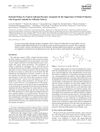
May 2010 in “Journal of Medicinal Chemistry” A new compound was created in 2010 that can control oil production when applied to the skin, and its effects are completely reversible after two weeks.
1 citations
,
October 2019 in “European Journal of Dermatology” Salicylic acid ointment effectively treated a toddler's skin condition.

The study concluded that the developed method can show how argan, avocado, and coconut oils penetrate and change hair, suggesting these oils are effective in hair treatments.
2 citations
,
March 2024 in “Dermatologic Surgery” The chemical peel improved the appearance of hand spots safely and effectively.

A high fat lard diet may protect against skin fibrosis and affect hair growth.