113 citations
,
June 2010 in “Biological Chemistry” Cathepsin L deficiency causes large, abnormal cell structures and health issues in mice.
48 citations
,
March 2007 in “The journal of investigative dermatology/Journal of investigative dermatology” Retinoic acid production and signaling in hair follicles are regulated by location and timing, affecting hair growth and cycling.
1 citations
,
December 2023 in “International journal of molecular sciences” miR-199a-3p controls hair growth and is linked to alopecia areata.
July 2007 in “Manuals in biomedical research” 3 citations
,
May 2018 in “Psychiatry and Clinical Psychopharmacology” N-acetylcysteine may help treat trichotillomania.
April 2012 in “Neuropediatrics” Trichothiodystrophy is a rare genetic disorder causing hair issues and sometimes linked to DNA repair defects.
29 citations
,
August 2011 in “PubMed” Hair and nail proteins, mainly keratins, are crucial for structure and can indicate health issues.
 8 citations
,
March 2020 in “Frontiers in Cell and Developmental Biology”
8 citations
,
March 2020 in “Frontiers in Cell and Developmental Biology” Researchers created immortal human skin cells with constant testosterone receptor activity to study hair loss and test treatments.
 202 citations
,
August 2017 in “Nature cell biology”
202 citations
,
August 2017 in “Nature cell biology” Lactate production is important for activating hair growth stem cells.
 9 citations
,
February 2018 in “The Journal of Dermatology”
9 citations
,
February 2018 in “The Journal of Dermatology” A new mutation in the LIPH gene was found to cause a rare hair disorder in a Japanese boy.
 75 citations
,
August 2008 in “PLOS ONE”
75 citations
,
August 2008 in “PLOS ONE” Wnt3a protein, when packed in liposomal vesicles, can stimulate hair growth and could potentially treat conditions like hair loss.
 May 2024 in “Journal of cosmetic dermatology”
 Heat-treated Limosilactobacillus fermentum with menthol, salicylic acid, and panthenol promotes hair growth and balances scalp microbiome in people with androgenetic alopecia.
22 citations
,
March 2017 in “Transplant Infectious Disease” Leflunomide successfully treated a rare skin condition in a liver transplant patient.
 June 2023 in “Journal of biological chemistry/The Journal of biological chemistry”
 Sdr16c5 and Sdr16c6 genes regulate a key point in lipid production that affects eye and skin gland function.
 8 citations
,
September 2022 in “Human genomics”
8 citations
,
September 2022 in “Human genomics” Key genes and pathways involved in thyroid eye disease were identified, aiding potential treatment and diagnosis.
 April 2017 in “Journal of Investigative Dermatology”
 Stem cells can create hair follicles, potentially treating permanent hair loss, and healthy skin and hair depend on mitochondrial function and special fats.
14 citations
,
April 2024 in “The Journal of Steroid Biochemistry and Molecular Biology” 5α-reductases increase epitestosterone's effect on androgen receptors.
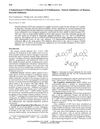 111 citations
,
August 2002 in “Journal of Medicinal Chemistry”
111 citations
,
August 2002 in “Journal of Medicinal Chemistry” New compounds were made that block an enzyme linked to breast cancer better than existing treatments.
 2 citations
,
October 1990 in “The Lancet”
2 citations
,
October 1990 in “The Lancet” Some people have a genetic variation that makes them less effective at breaking down drugs.
7 citations
,
March 2004 in “Journal of the American Academy of Dermatology” Tiger tail banding and hair abnormalities are reliable indicators for diagnosing trichothiodystrophy.
19 citations
,
July 1997 in “British Journal of Dermatology” LHTric-1 is a specific antibody useful for studying hair and nail formation.
April 2019 in “Journal of the Endocrine Society” A 12-year-old boy with PAIS successfully developed male characteristics using high-dose testosterone and anastrozole.
 3 citations
,
May 2023 in “International Journal of Molecular Sciences”
3 citations
,
May 2023 in “International Journal of Molecular Sciences” A new treatment using nanoparticles can effectively prevent and reduce hair loss caused by chemotherapy.
53 citations
,
September 2007 in “Annals of the New York Academy of Sciences” Thymosin beta 4 helps hair grow by boosting stem cell activity.
 April 2025 in “Journal of Investigative Dermatology”
 Two microRNAs in stem cell exosomes help treat hair loss by targeting a specific signaling pathway.
January 2026 in “Journal of Ethnopharmacology” Cedrol promotes hair growth better than baricitinib by regulating immune cells.
6 citations
,
July 2005 in “Acta Ophthalmologica Scandinavica” Mitochondriopathy may cause eyelash loss.
January 2026 in “Applied Sciences” Cyclic ADP-ribose helps regulate calcium and signals that promote hair growth in hair follicle cells.
5 citations
,
May 2017 in “Journal of dermatological science” The combined treatment effectively managed severe skin issues in Olmsted syndrome.

Testosterone in human pancreas cells boosts insulin production.