 April 2024 in “Research Square (Research Square)”
 A 27-year-old with APS-1 showed improvement in symptoms after treatment.
14 citations
,
May 2016 in “International Journal of Molecular Sciences” PP2Acα is essential for proper hair and skin development.
13 citations
,
February 2020 in “CHEST Journal” Vitamin C supplementation can resolve pulmonary arterial hypertension caused by vitamin C deficiency.
 2 citations
,
April 2017 in “Asian Journal of Psychiatry”
2 citations
,
April 2017 in “Asian Journal of Psychiatry” Valproic acid can cause hair loss when taken orally but may promote hair growth when applied topically.
4 citations
,
July 2019 in “Clinical and experimental dermatology” Early diagnosis and biotin treatment are crucial for infants with biotinidase deficiency to prevent severe complications.
 50 citations
,
September 2011 in “Biochimica et Biophysica Acta (BBA) - Molecular and Cell Biology of Lipids”
50 citations
,
September 2011 in “Biochimica et Biophysica Acta (BBA) - Molecular and Cell Biology of Lipids” Maintaining the right amount of retinoic acid is crucial for healthy hair and skin.
 January 2023 in “Dermatologic Therapy”
 The nutritional supplement Pilopeptan® WOMAN improved hair growth and thickness in women with hair loss.

ACA from Alpinia galanga may prevent testosterone-related hair loss.
 February 2025 in “International Journal of Morphology”
 Vitamin E can reduce the negative effects of valproic acid on hair and skin development.
18 citations
,
May 2024 in “Pharmaceutics” Improved delivery systems can enhance oleanolic acid's effectiveness in treating various conditions.
1 citations
,
January 2025 in “Pediatria i Medycyna Rodzinna” Accurate diagnosis and zinc supplements can improve life quality in acrodermatitis enteropathica, even with normal zinc levels.
 23 citations
,
December 2013 in “British Journal of Dermatology”
23 citations
,
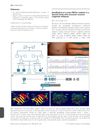
December 2013 in “British Journal of Dermatology” A new gene mutation linked to a skin condition was found in a Spanish family.
16 citations
,
March 1986 in “Biochemical Pharmacology” 16 citations
,
May 2009 in “Journal of child neurology” Valproic acid does not change biotinidase enzyme activity in children's blood.
29 citations
,
December 1953 in “Journal of Investigative Dermatology” August 2024 in “International Journal of Pharmaceutics” The treatment promotes hair growth, improves hair density, and reduces skin irritation.
 March 2016 in “West Indian medical journal”
 There is no significant link between alopecia areata and the PON1 enzyme polymorphisms studied.
 37 citations
,
February 2014 in “Journal of Dermatology”
37 citations
,
February 2014 in “Journal of Dermatology” Valproic acid increases hair count in men with hair loss.
39 citations
,
August 1998 in “FEBS Letters” Two new enzymes, PAD-R11 and PAD-R4, were cloned and showed activity, with PAD-R11 resembling epidermal enzymes.
 June 2023 in “International Journal of Clinical Research and Reports”
 Method B with propylene glycol is better for stable low-concentration DPCP solutions for alopecia areata.
10 citations
,
November 1946 in “Journal of the American Medical Association” Severe vitamin deficiencies in children can cause significant hair problems.
 April 2016 in “Journal of Investigative Dermatology”
 Lithocholic acid helps hair growth and regeneration in alopecia by activating vitamin D receptors.
2 citations
,
August 2004 Early diagnosis and proper treatment improve outcomes for methylmalonic acidemia.
April 2025 in “Indian Journal of Paediatric Dermatology” Zinc supplements improved the girl's skin and hair condition.
The enzyme Dgat1 is essential for healthy hair and skin by controlling retinoid levels.
 1 citations
,
April 2022 in “Toxicology and Environmental Health Sciences”
1 citations
,
April 2022 in “Toxicology and Environmental Health Sciences” The shampoo with salicylic acid, panthenol, and niacinamide is effective and safe for preventing hair loss in people with alopecia.
36 citations
,
July 2017 in “Journal of controlled release” A new method allows for controlled, long-lasting delivery of retinoic acid through the skin with fewer side effects.
147 citations
,
August 2005 in “The Plant Cell” The TIP1 gene is crucial for normal plant cell growth in Arabidopsis.
 21 citations
,
June 2017 in “Journal of The American Academy of Dermatology”
21 citations
,
June 2017 in “Journal of The American Academy of Dermatology” Topical DPCP is somewhat effective for hair loss in alopecia areata, but more research is needed.