90 citations
,
August 2006 in “British Journal of Dermatology” PRIDE syndrome includes skin and hair issues from cancer treatment with EGFR inhibitors.
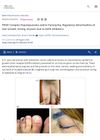 August 2025 in “JEADV Clinical Practice”
 PRIDE complex side effects from EGFR inhibitors can be managed without stopping treatment.
August 2024 in “Postgraduate Medical Journal” A rare skin reaction from cancer treatment was successfully managed with topical treatments and antihistamines.
July 2026 in “Frontiers in Oncology” EGFR inhibitors can cause skin eruptions different from acne, needing specific management.
June 2026 in “British Journal of Dermatology” A rare genetic mutation in the EGFR gene caused severe skin issues and other health problems in a Slovakian girl, who is now 4 years old and receiving care.
9 citations
,
October 2015 in “Journal of Cutaneous Pathology” Erythematous papulopustular eruptions in cancer patients using EGFR inhibitors show specific skin changes that vary with severity and treatment type.
 172 citations
,
December 2004 in “Journal of The American Academy of Dermatology”
172 citations
,
December 2004 in “Journal of The American Academy of Dermatology” Demodicosis is common and often missed, needing more recognition and treatment in skin care.
43 citations
,
January 2014 in “Indian Journal of Dermatology” EGFR inhibitors can cause skin issues like acne and dryness, but these can be managed without stopping treatment.
 42 citations
,
April 2012 in “Seminars in Oncology”
42 citations
,
April 2012 in “Seminars in Oncology” Targeted cancer therapies often cause skin problems that need careful management to improve patient quality of life and treatment success.
 26 citations
,
October 2018 in “Clinical & Translational Oncology”
26 citations
,
October 2018 in “Clinical & Translational Oncology” Spanish experts provided guidelines for treating skin side effects in cancer patients on new therapies, stressing early action and teamwork.
 19 citations
,
October 2011 in “Clinics in Dermatology”
19 citations
,
October 2011 in “Clinics in Dermatology” New chemotherapy drugs cause skin side effects, but treatments like minocycline and tetracycline can help reduce them.
 15 citations
,
February 2017 in “Nursing Clinics of North America”
15 citations
,
February 2017 in “Nursing Clinics of North America” Targeted cancer therapies can cause skin side effects, which should be treated early to help patients' quality of life and treatment adherence.
3 citations
,
January 2019 in “Indian Journal of Drugs in Dermatology” Certain cancer drugs can cause skin issues like rashes and itching.
 January 2019 in “Springer eBooks”
 Acne can appear or persist in adulthood due to hormonal changes, external factors, or substance use, and requires appropriate treatment.

Dacomitinib can cause nail and skin issues, but these can be managed without stopping the drug.
 January 2018 in “Springer eBooks”
 Cancer treatments targeting specific cells often cause skin, hair, and nail problems, affecting patients' lives and requiring careful management.
 2 citations
,
January 2022 in “Boletín médico del Hospital infantil de México/Boletín médico del Hospital Infantil de México”
2 citations
,
January 2022 in “Boletín médico del Hospital infantil de México/Boletín médico del Hospital Infantil de México” Some immunosuppressed patients can get unusual skin infections from Malassezia, which can be treated with antifungal medication.
2 citations
,
September 2019 in “Serbian Journal of Dermatology and Venerology” A rare skin condition causing scarring was successfully treated with topical erythromycin and benzoyl peroxide.
 August 2023 in “International Medical Case Reports Journal”
 Acne necrotica can be effectively treated with topical cream and antibiotics.
 466 citations
,
August 2004 in “Journal of the American Academy of Dermatology”
466 citations
,
August 2004 in “Journal of the American Academy of Dermatology” Rosacea is a skin condition with unclear causes, classified into four subtypes.
 126 citations
,
October 1983 in “Journal of The American Academy of Dermatology”
126 citations
,
October 1983 in “Journal of The American Academy of Dermatology” Isotretinoin effectively treats severe acne and similar conditions, but has common, mostly reversible side effects, requiring careful patient monitoring.
88 citations
,
January 2001 in “Dermatology” EE/CMA is more effective than EE/LNG in reducing acne.
87 citations
,
March 2013 in “Expert Review of Anticancer Therapy” Afatinib often causes skin problems that need proactive management.
 34 citations
,
October 2024 in “Clinical Cosmetic and Investigational Dermatology”
34 citations
,
October 2024 in “Clinical Cosmetic and Investigational Dermatology” Azelaic acid is effective for treating rosacea, acne, and melasma.
 32 citations
,
June 2012 in “PLoS ONE”
32 citations
,
June 2012 in “PLoS ONE” Blocking IL-8 can reduce skin rashes from cancer treatment.
 32 citations
,
January 2012 in “International Journal of Dermatology”
32 citations
,
January 2012 in “International Journal of Dermatology” Skin side effects from EGFR inhibitor cancer treatment can be managed effectively, often without stopping the medication.
 29 citations
,
September 2017 in “Oncology and therapy”
29 citations
,
September 2017 in “Oncology and therapy” The document provides advice on how to recognize and treat skin-related side effects of cancer drugs known as EGFR inhibitors.
29 citations
,
January 2012 in “Chemical immunology/Fortschritte der Allergielehre/Progress in allergy/Chemical immunology and allergy” New cancer drugs often cause skin and nail problems.
13 citations
,
June 2008 in “International Journal of Dermatology” Sorafenib can cause a unique skin reaction.
10 citations
,
February 2022 in “JEADV Clinical Practice” Dermoscopy helps diagnose and classify rosacea by revealing key features.