March 2025 in “International Journal of Trichology” Trichodaganomania involves biting one's hair and needs combined psychological and medical treatment.
19 citations
,
March 1999 in “PubMed” Trichotillomania is a chronic condition where people uncontrollably pull out their hair, often starting in childhood.
4 citations
,
August 2004 in “The Journal of Dermatology” Healing psoriatic plaques can cause unexpected hair growth.
September 1998 in “Journal of the European Academy of Dermatology and Venereology” January 1999 in “대한피부과학회지” Trichotillomania is more common in young females and often linked to stress and psychiatric conditions, with hair loss and increased catagen hair observed.
52 citations
,
October 1997 in “American Journal of Psychiatry” Trichotillomania is a complex condition involving compulsive hair pulling that causes distress and hair loss.
November 2021 in “Skin appendage disorders” Self-induced hair loss should be considered in patients with androgenetic alopecia.
6 citations
,
January 2011 in “European Journal of Dermatology” It's important to consider genetic hair disorders when diagnosing hair loss.
 38 citations
,
July 1998 in “Journal of surgical oncology”
38 citations
,
July 1998 in “Journal of surgical oncology” A woman with breast cancer developed a rare condition causing excessive fine hair growth on her face and body.
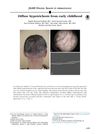 September 2016 in “Journal of The American Academy of Dermatology”
 The girl has a genetic hair condition causing thin hair since childhood.
 January 2018 in “Springer eBooks”
 Trichotillomania is a condition where people repeatedly pull out their hair, which can be triggered by stress and has various physical signs.
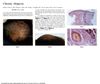 June 1995 in “Archives of Dermatology”
 A woman's hair loss was due to trichotillomania, which is often misdiagnosed and can require different treatments based on age and underlying conditions.
2 citations
,
January 2007 in “Actas Dermo-Sifiliográficas” Two cases of hairy elbows syndrome were described, with normal skin texture and symmetrical hair growth.
August 2025 in “Skin Appendage Disorders” Topical minoxidil can help improve hair in trichonodosis.
14 citations
,
January 2010 in “Dermatology” Some people with congenital triangular alopecia have a central tuft of hair in the bald patch, but the cause is unknown.
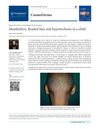 January 2026 in “Cosmoderma”
 A 9-year-old girl has a rare hair disorder causing beaded, sparse hair.
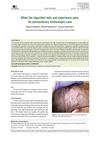 January 2026 in “Forum Dermatologicum”
 Thorough hair examination is crucial for accurate diagnosis and treatment.
 2 citations
,
July 2020 in “Giornale italiano di dermatologia e venereologia”
2 citations
,
July 2020 in “Giornale italiano di dermatologia e venereologia” A woman with frontal fibrosing alopecia experienced unusual hair growth after using a specific topical lotion.
 August 2021 in “Acta medica Philippina”
 A girl's hair loss was found to be caused by both a hair-pulling disorder and another hair loss condition.
March 1983 in “International Journal of Dermatology” Minoxidil can cause excessive hair growth.
4 citations
,
March 2011 in “European Journal of Dermatology” Trauma can cause fat inflammation and abnormal hair growth.
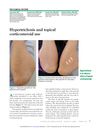 February 2022 in “Cleveland Clinic Journal of Medicine”
 Prolonged use of topical corticosteroids can cause excessive hair growth.

A 14-year-old girl with a condition that makes her hair easy to pull out also has a hair-pulling disorder, and treatment helped but she relapsed after a year.
10 citations
,
January 1925 in “Archives of Dermatology” Trichostasis spinulosa is a rare skin condition with hair-filled plugs in hair follicles.
 1 citations
,
May 2003 in “Archives of Pathology & Laboratory Medicine”
1 citations
,
May 2003 in “Archives of Pathology & Laboratory Medicine” The boy had trichotillomania, causing hair loss, and treatment focused on habit reversal and support.
 January 2026 in “Indian Journal of Dermatopathology and Diagnostic Dermatology”
 Corkscrew hairs can help diagnose trichotillomania.
10 citations
,
April 2004 in “Journal of the American Academy of Dermatology” Localized hair growth and fat loss may share a common cause in lupus panniculitis.
May 2005 in “Hair transplant forum international” Trichotemnomania causes hair loss due to compulsive hair cutting or shaving.
 46 citations
,
April 1977 in “Southern Medical Journal”
46 citations
,
April 1977 in “Southern Medical Journal” Minoxidil causes excessive hair growth, but depilatory agent removes it safely and effectively.
14 citations
,
May 1979 in “International Journal of Dermatology” Trichostasis spinulosa mainly affects the nose, with many tiny hairs in one follicle, possibly influenced by hormones and sunlight.