 19 citations
,
March 1998 in “Endocrinology”
19 citations
,
March 1998 in “Endocrinology” Male rats have more somatostatin neurons than females due to testosterone converting to estrogen during early development.
22 citations
,
April 2004 in “Journal of Neurochemistry” Acute stress increases Y1 receptor gene expression in certain brain areas, but repeated stress does not.
 123 citations
,
May 2009 in “Journal of Neuroscience”
123 citations
,
May 2009 in “Journal of Neuroscience” In late pregnancy, allopregnanolone reduces stress responses in rats by affecting brain chemicals.
August 2018 in “Brock University Digital Repository (Brock University)” Adolescent male rats release more stress hormones than adults, and testosterone affects them differently.
34 citations
,
August 2015 in “Frontiers in Behavioral Neuroscience” Allopregnanolone affects fear responses differently in male and female rats, possibly explaining sex differences in anxiety disorders.
 61 citations
,
June 2018 in “Proceedings of the National Academy of Sciences of the United States of America”
61 citations
,
June 2018 in “Proceedings of the National Academy of Sciences of the United States of America” Light can turn on hair growth cells through a nerve path starting in the eyes.
 248 citations
,
December 2011 in “Journal of Neuroscience”
248 citations
,
December 2011 in “Journal of Neuroscience” Neurosteroids are crucial for stress response, and targeting specific receptors may help treat certain disorders.
 197 citations
,
January 2019 in “Neuropsychopharmacology”
197 citations
,
January 2019 in “Neuropsychopharmacology” Male and female bodies respond differently to stress, influenced by hormones and development stages, with implications for stress-related diseases.
 72 citations
,
October 2009 in “The FASEB journal”
72 citations
,
October 2009 in “The FASEB journal” TRH stimulates human hair growth and extends the hair growth phase.
 1 citations
,
January 2019 in “Elsevier eBooks”
1 citations
,
January 2019 in “Elsevier eBooks” Neuroactive steroids may affect the risk and treatment of alcohol use disorders.
 January 2018 in “Elsevier eBooks”
 The document explains how male reproductive hormones work and affect the body.
 36 citations
,
March 2002 in “Journal of Biological Chemistry”
36 citations
,
March 2002 in “Journal of Biological Chemistry” Food deprivation increases MST enzyme in the brain, possibly affecting energy balance.
 4 citations
,
February 2025 in “GeroScience”
4 citations
,
February 2025 in “GeroScience” Increasing neuropeptide Y in the brain can slow aging signs in mice.
 2 citations
,
February 2021 in “Brain Research”
2 citations
,
February 2021 in “Brain Research” Testosterone affects blood pressure control and inflammation in male rats with endotoxic shock, and blocking certain hormones may help treat it.
 March 2024 in “GSC Advanced Research and Reviews”
 Different light affects cell functions and can help treat skin conditions.
 January 2024 in “Diabetes & metabolism journal”
 Disrupting natural body clocks increases the risk of developing type 2 diabetes.
 47 citations
,
February 2015 in “European Journal of Clinical Investigation”
47 citations
,
February 2015 in “European Journal of Clinical Investigation” The review suggests thorough evaluation and genetic testing for proper diagnosis and treatment of Chrousos syndrome.
 75 citations
,
September 2017 in “Developmental biology”
75 citations
,
September 2017 in “Developmental biology” The circadian clock influences the behavior and regeneration of stem cells in the body.
 49 citations
,
May 2018 in “Endocrine”
49 citations
,
May 2018 in “Endocrine” Women with regular menstrual cycles and PCOS have linked kisspeptin and LH hormone patterns, unlike those with irregular cycles.
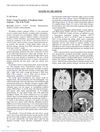 1 citations
,
August 2021 in “Canadian journal of neurological sciences”
1 citations
,
August 2021 in “Canadian journal of neurological sciences” Woodhouse-Sakati syndrome can cause writer's cramp and other varied symptoms, highlighting the importance of genetic testing for diagnosis.
 393 citations
,
November 2000 in “Archives of General Psychiatry”
393 citations
,
November 2000 in “Archives of General Psychiatry” Testosterone is important for men's sexual function, may help some women's sexual desire, while other hormones and neurotransmitters also play complex roles in sexual behavior.
 223 citations
,
December 2010 in “The Journal of Sexual Medicine”
223 citations
,
December 2010 in “The Journal of Sexual Medicine” Some patients taking finasteride or dutasteride may have ongoing sexual problems and depression even after stopping the medication.
 220 citations
,
August 1988 in “Clinical endocrinology”
220 citations
,
August 1988 in “Clinical endocrinology” Melatonin may help with sleep issues, depression, and cancer, but more research is needed.
 142 citations
,
January 2019 in “Frontiers in Neuroendocrinology”
142 citations
,
January 2019 in “Frontiers in Neuroendocrinology” Postpartum depression is linked to changes in brain chemicals, inflammation, stress, and certain genes, and can potentially be identified by markers like specific steroids, serotonin levels, and vitamin D levels.
 123 citations
,
December 2015 in “Journal of Neuroendocrinology”
123 citations
,
December 2015 in “Journal of Neuroendocrinology” New targets for making and using brain-synthesized steroids could lead to better treatments for brain disorders and alcoholism.
 62 citations
,
August 2014 in “BMC Endocrine Disorders”
62 citations
,
August 2014 in “BMC Endocrine Disorders” New findings explain how genetic changes, body clocks, and certain molecules affect tissue response to stress hormones.
 40 citations
,
April 2018 in “Endocrine”
40 citations
,
April 2018 in “Endocrine” PFS and PSSD are similar conditions with persistent sexual dysfunction after stopping medication.
 34 citations
,
April 2014 in “Psychopharmacology”
34 citations
,
April 2014 in “Psychopharmacology” Stress and alcohol affect brain chemicals differently in rats, mice, and humans, influenced by genetic differences.
 20 citations
,
November 2019 in “Biomolecules”
20 citations
,
November 2019 in “Biomolecules” Finasteride reduces response to stress and rewards, affecting behavior and mental health.
18 citations
,
September 2021 in “Journal of Neuroendocrinology” Neurosteroids can influence behavior by modulating brain inhibition, with potential for treating psychiatric disorders.