Search
for
Sort by
Research
90-120 / 1000+ resultsresearch Long‐term safety and efficacy of ritlecitinib in adults and adolescents with alopecia areata and at least 25% scalp hair loss: Results from the ALLEGRO‐LT phase 3, open‐label study
Ritlecitinib is effective and safe for treating alopecia areata, promoting significant hair regrowth.
research PLACK syndrome associated with alopecia areata and a novel homozygous base pair insertion in exon 18 of CAST gene
A new genetic mutation in the CAST gene may link PLACK syndrome to alopecia areata.
research Efficacy of JAK 1/2 inhibition in the treatment of diffuse non-scarring alopecia due to systemic lupus erythematosus
Baricitinib might help treat hair loss in lupus patients, but more research is needed.

research CUTANEOUS T-CELL LYMPHOMA
The document concludes that DAB389-IL2 is promising for treating refractory cutaneous T-cell lymphoma, but more research is needed on its effectiveness and side effect management.
research Self-Assembled Berberine-Sinapic Acid Nanomedicine for Synergistic Chemotherapy
BBR-SA nanomedicine is a safe and effective treatment for breast cancer.
research Folliculocentric papules and alopecia
A 70-year-old woman with a rare skin condition improved after treatment with topical steroids and acitretin.
research A phase 2a study investigating the effects of ritlecitinib on brainstem auditory evoked potentials and intraepidermal nerve fiber histology in adults with alopecia areata
Ritlecitinib is safe and may effectively treat alopecia areata.
research Baricitinib-Induced Trichilemmal Cyst Reactivation in a Woman With Alopecia Areata
Baricitinib may reactivate trichilemmal cysts in people with a history of these cysts.
research Sustained hair regrowth with ritlecitinib to Week 48 in patients with alopecia areata: post hoc analysis of the ALLEGRO phase 2b/3 study
Ritlecitinib helped most alopecia areata patients regrow hair by Week 48.
research Optimizing clinical monitoring and management guidelines for capivasertib in HR-positive/HER2-negative advanced breast cancer: expert opinion
Capivasertib improves survival in certain breast cancer cases but requires careful management of side effects.
research Clascoterone: a new topical antiandrogen agent.
Clascoterone is a promising topical treatment for hair loss and acne with fewer side effects.
research 32237 Clinician and patient evaluation of improvement for eyebrow and eyelashes hair loss during baricitinib phase 3 trials BRAVE-AA1 and BRAVE-AA2
Baricitinib was effective in regrowing eyebrow and eyelash hair in patients with severe alopecia areata.
research The manipulation of the cedrol metabolism pathway by baricitinib and its immune interaction mechanism against chemotherapy-induced alopecia
research Targeting Superficial or Nodular Basal Cell Carcinoma with Topically Formulated Small Molecule Inhibitor of Smoothened
The topical inhibitor CUR61414 was not effective in treating basal cell carcinoma in human trials.
research 42005 Sustained scalp, eyebrow, and eyelash hair regrowth with ritlecitinib through Week 48 in patients with alopecia areata: post hoc analysis of the ALLEGRO phase 2b/3 study
Ritlecitinib effectively regrows and maintains scalp, eyebrow, and eyelash hair in alopecia areata patients.

research Probing androgen receptor co-factor selectivity profiles: a chemical tool to determine cross-talk between androgen receptor and β-catenin in vivo
PF-05314882 selectively activates androgen receptors without much effect on prostate and may help in prostate cancer treatment and hair loss prevention.
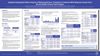
research Updated Integrated Safety Analysis of Ritlecitinib Over 72 Months In Patients With Alopecia Areata From the ALLEGRO Clinical Trial Program
Ritlecitinib is generally safe for alopecia areata patients over 72 months.

research Major improvement of very severe alopecia areata in patients treated with the combination of baricitinib and low doses of corticosteroids: an eight-case series
Combining baricitinib with low-dose corticosteroids significantly improved severe hair loss in eight patients.
research Tofacitinib for the treatment of lichen planopilaris: A case series
Oral tofacitinib can significantly improve recalcitrant lichen planopilaris.
research Ruxolitinib Rescues Multiorgan Clinical Autoimmunity in Patients with APS-1
Ruxolitinib significantly improves multiple autoimmune conditions in APS-1 patients.
research Preclinical Pharmacology, Antitumor Activity, and Development of Pharmacodynamic Markers for the Novel, Potent AKT Inhibitor CCT128930
CCT128930 is a promising new drug that effectively targets and inhibits a cancer-related protein, showing potential for cancer treatment.
research Natural Compounds Targeting MAPK, PI3K/Akt, and JAK/STAT Signaling in Papillary Thyroid Cancer
Natural compounds may help treat advanced papillary thyroid cancer by targeting specific molecular pathways.
research Safety and quality of life of CDK4/6 inhibitors therapy for hormone receptor-positive, human epidermal growth factor receptor 2-negative advanced breast cancer: a multicenter cross-sectional survey in China
CDK4/6 inhibitors affect safety and quality of life differently, requiring careful use.
research A Plain Language Summary on Ritlecitinib Treatment for Adults and Adolescents with Alopecia Areata
Ritlecitinib works well and is safe for treating alopecia areata.
research First drug for severe alopecia recommended by NICE could benefit 14,000 patients
Ritlecitinib can help about 14,000 people with severe hair loss.
research Expanding the therapeutic versatility of clacosterone
Clascoterone cream could be used for other skin conditions affected by hormones.
research Cutaneous Lesions in the Rat Following Administration of an Irreversible Inhibitor of erbB Receptors, Including the Epidermal Growth Factor Receptor
CI-1033 causes skin lesions in rats, similar to humans, due to EGF receptor inhibition.
research Real-world assessment of ritlecitinib in patients with severe alopecia areata: a 24-week multicentre retrospective study
Ritlecitinib may be more effective for severe alopecia areata than conventional treatments.
research Baricitinib for the treatment of severe alopecia areata: results from a 52-week multicenter retrospective real-world study
Baricitinib is effective and safe for treating severe alopecia areata, promoting significant hair regrowth.