122 citations
,
August 2020 in “Tropical Diseases Travel Medicine and Vaccines” COVID-19 severely affects older adults with chronic heart, lung, or metabolic diseases.
13 citations
,
November 2024 in “EClinicalMedicine” Standardized de-facing protocols can prevent identification from anonymized MRI images, enhancing privacy protection.
6 citations
,
June 2024 in “Skin Appendage Disorders” Alopecia areata is linked to PTSD, alcohol use, anxiety, and depression.
1 citations
,
July 2025 in “BMC Psychology” Social rejection can harm long-term mental health in transgender individuals.
 February 2025 in “Drug Testing and Analysis”
 All samples tested negative for banned substances, ensuring competition integrity.
 May 2023 in “BMC Women's Health”
 Many women who have used performance-enhancing drugs in Finland show high rates of mental health and substance use issues, and most have normal red blood cell counts.
December 2005 in “Journal of Medical Regulation” Australia improved medical education and Canada focused on professionalism and patient safety.
 1 citations
,
November 2021 in “Drug Testing and Analysis”
1 citations
,
November 2021 in “Drug Testing and Analysis” The 39th Manfred Donike Workshop discussed methods for detecting misuse of steroids, gene doping, and the complexity of identifying drug residues in urine, highlighting the ongoing efforts to improve global anti-doping work.
 April 2022 in “Journal of applied science and environmental management”
 Alligator pepper seed extract improved wound healing in rats.
 31 citations
,
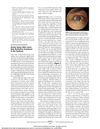
October 2012 in “Archives of ophthalmology”
31 citations
,
October 2012 in “Archives of ophthalmology” Laser hair reduction near the eyebrows can cause serious eye injuries even with safety measures.
 6 citations
,
January 2013 in “Journal of Cutaneous and Aesthetic Surgery”
6 citations
,
January 2013 in “Journal of Cutaneous and Aesthetic Surgery” A man with baldness had successful hair growth after transplanting body hair to his head.

Yul Brynner's unique physical presence and gestures defined his star image.
 1 citations
,
February 2018 in “Journal of Plastic Reconstructive and Aesthetic Surgery”
1 citations
,
February 2018 in “Journal of Plastic Reconstructive and Aesthetic Surgery” The U.K. created the CPSA to set safety standards for non-surgical cosmetic treatments and improve patient protection.
September 2024 in “Journal of the American Academy of Dermatology” 2 citations
,
March 1986 in “BMJ”  July 2025 in “Indian Journal of Forensic Medicine & Toxicology”
 DNA phenotyping can predict physical traits like eye, hair, and skin color, improving forensic investigations.
 March 2026 in “Egyptian Journal of Forensic Sciences”
 Unified regulations and ethical guidelines are needed for fair use of forensic DNA phenotyping.
 January 2024 in “Wiadomości Lekarskie”
 Polish medical degrees face more complex recognition in the USA than American degrees do in Poland.
 April 2026 in “Zenodo (CERN European Organization for Nuclear Research)”
 Post-exposure syndromes are persistent conditions caused by past exposures, needing unique interventions.
 April 2026 in “Zenodo (CERN European Organization for Nuclear Research)”
 Post-Exposure Syndromes are persistent conditions caused by past exposures, needing unique interventions.
4 citations
,
March 2024 in “Forensic Sciences Research” Forensic DNA phenotyping faces challenges like inconsistent terms and limited genetic knowledge.
7 citations
,
June 2015 in “EMBO Reports” Forensic DNA phenotyping can help generate new leads in cold cases but faces accuracy, legal, and acceptance challenges.
 July 2010 in “Hair transplant forum international”
 The ABHRS held a test in Capri, Italy.
 November 2022 in “The Caucasus”
 The document's conclusion cannot be provided because the content is not in a readable format.
 November 2014 in “Hair transplant forum international”
 The American Board of Hair Restoration Surgery provides professional standards and certifications for hair restoration procedures.
 July 1997 in “Hair transplant forum international”
 The document could not be processed.
 January 2024 in “Wiadomości Lekarskie”
 Recognize Polish academic titles as proof of language proficiency for foreign-trained doctors.
 April 2019 in “Journal of Investigative Dermatology”
 The search scheme SMRI is faster and more secure for retrieving encrypted data from the cloud.
1 citations
,
October 2025 in “Micromachines” Portable point-of-care testing can improve quick and accurate genetic disorder detection.
August 2024 in “Clinical & experimental pathology” Forensic DNA phenotyping can now predict more physical traits and ancestry from DNA, but further improvements are needed.