 3 citations
,
September 2019 in “Journal of Orthodontics”
3 citations
,
September 2019 in “Journal of Orthodontics” A boy's hair grew back after he stopped using orthodontic headgear that caused temporary hair loss.
 3 citations
,
January 2019 in “Annals of dermatology/Annals of Dermatology”
3 citations
,
January 2019 in “Annals of dermatology/Annals of Dermatology” Hydroxychloroquine effectively treated twenty-nail dystrophy in a patient with alopecia areata.
 3 citations
,
December 2013 in “Journal of Dermatology”
3 citations
,
December 2013 in “Journal of Dermatology” Scanning electron microscopy revealed four distinct hair root shapes in alopecia areata, suggesting a less invasive diagnostic method.
 3 citations
,
April 2010 in “Endocrinology”
3 citations
,
April 2010 in “Endocrinology” The mouse model suggests male pattern baldness may be due to an enzyme increasing DHT and higher androgen receptor levels in hair follicles.
 2 citations
,
June 2018 in “Journal of the American Academy of Dermatology”
2 citations
,
June 2018 in “Journal of the American Academy of Dermatology” Alopecia areata causes varying hair loss and nail changes, and treatments include topical, systemic, and injectable therapies.
 2 citations
,
January 2018 in “Australasian Medical Journal”
2 citations
,
January 2018 in “Australasian Medical Journal” Men with male pattern baldness have a higher chance of heart disease, especially if they're younger or have severe baldness; no link was found with another type of baldness called alopecia areata.
 2 citations
,
January 2013 in “Hair therapy & transplantation”
2 citations
,
January 2013 in “Hair therapy & transplantation” Hair transplants can be a treatment for scarring hair loss if there's good blood flow and no active disease.
 1 citations
,
September 2025 in “Clinical Cosmetic and Investigational Dermatology”
1 citations
,
September 2025 in “Clinical Cosmetic and Investigational Dermatology” Upadacitinib is effective and safe for treating severe Alopecia Areata in adolescents.
 1 citations
,
December 2024 in “Dermatology and Therapy”
1 citations
,
December 2024 in “Dermatology and Therapy” The STRIAA tool helps doctors quickly and effectively assess the severity of Alopecia Areata.
 1 citations
,
July 2024 in “Cutis”
1 citations
,
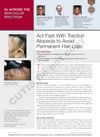
July 2024 in “Cutis” Act quickly to treat traction alopecia to prevent permanent hair loss.
 1 citations
,
May 2024 in “Dermatology and Therapy”
1 citations
,
May 2024 in “Dermatology and Therapy” Frontal Fibrosing Alopecia needs better diagnostics and treatments, with dutasteride showing promise.
 1 citations
,
June 2022 in “Zagazig Veterinary Journal/Zagazig Veterinary Journal (Online)”
1 citations
,
June 2022 in “Zagazig Veterinary Journal/Zagazig Veterinary Journal (Online)” Alopecia in dogs is often caused by mange, flea and tick infestations, and nutritional deficiencies, especially in males and young dogs.
 1 citations
,
January 2017 in “Springer eBooks”
1 citations
,
January 2017 in “Springer eBooks” Understanding the immune-related causes of Alopecia Areata has led to potential treatments like JAK inhibitors.
 January 2026 in “International Journal of Pharmaceutical Quality Assurance”
 Alopecia Areata patients have low zinc and high copper levels.

Combining systemic steroids and dithranol can effectively regrow hair in severe alopecia areata.
 October 2025 in “International Journal of Homoeopathic Sciences”
 Homeopathy helped a woman regrow hair and feel emotionally better after stress-related hair loss.
 December 2024 in “Kufa Medical journal”
 Higher levels of IL-17A and IL-2 are linked to alopecia areata.
 July 2024 in “Federal Practitioner”
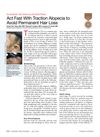
 Act quickly to prevent permanent hair loss from tight hairstyles.
 September 2023 in “Ain Shams medical journal”
 31% of female high school students in Minia have hair loss from tight hairstyles, which can become permanent if not treated early.
 August 2023 in “Indian journal of pediatrics/Indian Journal of Pediatrics”
 Topical treatments helped a child with Down syndrome and severe hair loss regrow most of his hair.
 April 2021 in “Sohag Medical Journal”
 Alopecia areata is an autoimmune condition causing hair loss, linked to genetic factors and immune system issues, with no cure yet.
 November 2020 in “Dubai medical journal”
 Tofacitinib may effectively regrow hair in alopecia totalis patients.
 July 2018 in “Our Dermatology Online”
 Alopecia areata does not affect areas with psoriasis plaques.
 January 2017 in “Springer eBooks”
 Over 40% of postmenopausal women experience hair loss, with treatments aiming to stop further loss and possibly thicken hair.
 January 2016 in “Springer eBooks”
 Cryotherapy may be an effective and simple treatment for mild hair loss with few side effects.
 March 2014 in “Journal of The American Academy of Dermatology”
 Azathioprine may be an effective treatment for severe hair loss.
 January 2012 in “The Year book of dermatology”
 Many treatments for alopecia areata have inconsistent results; for under 10s, use minoxidil with a corticosteroid, and for over 10s, add ILC and consider diphenylcyclopropenone for widespread cases.
 October 2010 in “Reproductive Biomedicine Online”
 Women with PCOS and androgenic alopecia have different triglyceride metabolism compared to those without hair loss.
 April 2019 in “Journal of the Dermatology Nurses’ Association”
 A 37-year-old man with hair loss and skin issues was successfully treated with oral antibiotics, highlighting the need for early treatment. Long-term care includes low-dose antibiotics and avoiding caps and wigs.
 May 2015 in “Journal of The American Academy of Dermatology”
 Niosomal minoxidil, when applied topically, increases hair count more than conventional minoxidil solution.