 19 citations
,
June 2015 in “Seminars in Cutaneous Medicine and Surgery”
19 citations
,
June 2015 in “Seminars in Cutaneous Medicine and Surgery” There is no cure for alopecia areata, and treatment success depends on the individual's situation.
10 citations
,
January 2023 in “SAGE Open Medical Case Reports” COVID-19 infection and vaccination may trigger hair loss and rapid hair whitening.
 9 citations
,
January 2013
9 citations
,
January 2013 Alopecia areata patients have lower zinc, copper, and selenium levels than healthy people.
7 citations
,
February 2020 in “Clinical and Experimental Dermatology” Both HLA-B and MICA are independently linked to alopecia areata.
4 citations
,
April 2024 in “Journal of Drugs in Dermatology” Ruxolitinib cream may help treat severe hair loss in children.
3 citations
,
January 2025 in “BMC Medical Informatics and Decision Making” Machine learning can help find new ways to treat alopecia areata.
3 citations
,
May 2023 in “Journal of the American Academy of Dermatology” Certain drugs can cause hair loss, but stopping the drug usually leads to hair regrowth.
3 citations
,
September 2021 in “JAAD case reports” Denosumab, a bone loss treatment, may cause hair loss and skin reactions due to immune system effects.
 1 citations
,
April 2023 in “International Journal of Homoeopathic Sciences”
1 citations
,
April 2023 in “International Journal of Homoeopathic Sciences” Phosphorus may help treat alopecia areata.
Acupuncture may effectively treat long-standing alopecia areata.
 March 2026 in “Frontiers in Pediatrics”
 COVID-19 may trigger hair loss conditions like alopecia areata.
A rare skin reaction occurred when a man took paracetamol, causing a new rash in an area already affected by hair loss.
AI can improve alopecia areata diagnosis with high accuracy.
 August 2025 in “Medical Scope Journal”
 The treatment improved hair growth and reduced scalp symptoms.
July 2025 in “International Journal of Homoeopathic Sciences” Personalized homeopathic treatment can provide long-term relief for alopecia areata.
 March 2025 in “International Journal of AYUSH Case Reports”
 Individualized homeopathy may help treat alopecia areata.

Baricitinib is effective for Alopecia Areata but requires careful patient history evaluation.

Blood cell counts could help predict and treat alopecia areata and telogen effluvium.
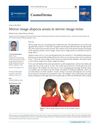
Mirror-image twins can have alopecia areata on opposite sides of their heads.
December 2023 in “Panacea Journal of Medical Sciences” Alopecia areata is often linked to personal or family history of allergies and autoimmune diseases.
September 2023 in “International Journal of Trichology” A rare hair regrowth pattern can occur in some people with alopecia areata.
July 2023 in “Indian Journal of Endocrinology and Metabolism” An 11-year-old girl's hair regrew after treating her thyroid condition with carbimazole.
 June 2023 in “International Journal of Research in Dermatology”
 Early diagnosis and treatment of alopecia areata in children is crucial to prevent severe progression.
 April 2023 in “International Journal of Research in Dermatology”
 Baricitinib is a promising treatment for severe alopecia areata with minimal side effects.
 January 2023 in “Social Science Research Network”
 The document doesn't say if the treatment for hair loss worked.
 December 2007 in “CRC Press eBooks”
 Alopecia areata incognita causes widespread hair loss without patches and needs a scalp biopsy for diagnosis.
March 2005 in “Journal of the American Academy of Dermatology” Higher levels of IL-1a and IL-1RA were found in severe alopecia areata cases.
 184 citations
,
February 2015 in “EBioMedicine”
184 citations
,
February 2015 in “EBioMedicine” A patient with Alopecia Areata had complete hair regrowth after using the drug baricitinib.
1 citations
,
October 2015 in “Joint bone spine” Membership in a self-help organization is linked to being better informed and having a higher education, but it doesn't clearly affect disease outcomes.
 1 citations
,
September 2007 in “European journal of paediatric neurology”
1 citations
,
September 2007 in “European journal of paediatric neurology” Low dose valproic acid treatment caused hair loss in a young patient.