 1 citations
,
April 2022 in “Regenerative Therapy”
1 citations
,
April 2022 in “Regenerative Therapy” Activating the GDNF-GFRα1-RET signaling pathway could potentially promote skin and limb regeneration in humans and could be used to treat hair loss and promote wound healing.
 8 citations
,
August 2020 in “Experimental dermatology”
8 citations
,
August 2020 in “Experimental dermatology” PRP therapy for alopecia shows inconsistent results due to natural variability in growth factor secretion by platelets.
7 citations
,
January 2023 in “Anti-Cancer Drugs” Early diagnosis and treatment of EGFR inhibitor-induced folliculitis decalvans can prevent permanent hair loss.

Some fibroblast growth factors may promote hair growth similarly to minoxidil and could potentially treat hair loss.
 April 2017 in “Journal of Investigative Dermatology”
 HPH-15, a new compound, effectively reduces skin fibrosis in experiments without causing harm.
July 2024 in “Journal of Investigative Dermatology” Certain substances can help skin cells become anti-inflammatory, aiding in tissue repair.
 15 citations
,
February 2011 in “Journal of Tissue Engineering and Regenerative Medicine”
15 citations
,
February 2011 in “Journal of Tissue Engineering and Regenerative Medicine” The best method for transplanting skin cells to regenerate hair follicles is the Hemi-vascularized sandwich method, as it produces more mature follicles and promotes hair growth.
 February 2024 in “Australasian journal of dermatology”
 Inflammatory acne damages skin stem cells and reduces their growth, leading to atrophic acne scars.
October 2025 in “Clinical and Experimental Dermatology” Fibrosing alopecia can be stabilized or improved with anti-inflammatory treatments and hair growth agents.
 1 citations
,
December 2019 in “Protetyka Stomatologiczna”
1 citations
,
December 2019 in “Protetyka Stomatologiczna” Platelet-Rich Fibrin shows promise in medicine and dentistry, but more research is needed to standardize its use.
 7 citations
,
June 2015 in “European Journal of Plastic Surgery”
7 citations
,
June 2015 in “European Journal of Plastic Surgery” PRGF treatment safely and effectively helps hair loss.
 April 2016 in “Journal of Investigative Dermatology”
 Scientists have found a way to grow hair follicles from human cells in a lab, which could help treat hair loss and skin damage.
 15 citations
,
January 2017 in “Lasers in Surgery and Medicine”
15 citations
,
January 2017 in “Lasers in Surgery and Medicine” Laser treatment improved scalp skin condition with no side effects.
 33 citations
,
September 2016 in “British journal of dermatology/British journal of dermatology, Supplement”
33 citations
,
September 2016 in “British journal of dermatology/British journal of dermatology, Supplement” Human hair follicle dermal cells can effectively replace other cells in engineered skin.
38 citations
,
April 2005 in “Journal of Investigative Dermatology” Human hair follicle cells can become fat and bone cells, useful for therapy.

PRP is promising for skin, hair, and wound treatments but needs standardized methods and more research.
 3 citations
,
May 2021 in “Archiv der Pharmazie”
3 citations
,
May 2021 in “Archiv der Pharmazie” SUN11602 and ONO-1301 could help in skin healing and creating artificial skin.
 April 2023 in “Journal of Investigative Dermatology”
 Combining platelet-rich plasma with laser therapy improves treatment for vitiligo, skin rejuvenation, and acne scars, but more research is needed.
23 citations
,
May 2013 in “Facial Plastic Surgery Clinics of North America” Autologous cell therapy can reduce facial wrinkles effectively.
The modified stem cells with VEGF165 in a special scaffold improved blood vessel growth and wound healing for skin repair.
7 citations
,
March 2020 in “Journal of the American Academy of Dermatology” EGFR inhibitors often cause dry, brittle hair and eyebrow/eyelash changes.
 February 2024 in “Advanced Science”
 The new scaffold with two growth factors speeds up skin healing and reduces scarring.
 2 citations
,
December 2019 in “Electronic Journal of General Medicine”
2 citations
,
December 2019 in “Electronic Journal of General Medicine” Combining microfocused ultrasound with PRP-therapy improves skin quality and patient satisfaction more than ultrasound alone.
83 citations
,
October 2016 in “Stem Cells and Development” Epidermal growth factor helps hair stem cells grow by activating specific cell pathways.
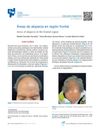 January 2025 in “Revista del Centro Dermatológico Pascua”
 Early diagnosis and treatment can help manage fibrosing alopecia in older women.
268 citations
,
December 2003 in “Experimental Dermatology” Hair follicle cells can become fat and bone cells.
 62 citations
,
February 2016 in “ACS Applied Materials & Interfaces”
62 citations
,
February 2016 in “ACS Applied Materials & Interfaces” Technique creates 3D cell spheroids for hair-follicle regeneration.
 13 citations
,
February 2017 in “Science”
13 citations
,
February 2017 in “Science” Turning scar-forming cells into fat cells can reduce scarring.
 87 citations
,
August 2017 in “Scientific Reports”
87 citations
,
August 2017 in “Scientific Reports” The nanofiber scaffolds improved skin wound healing by supporting cell growth and tissue repair.
March 2023 in “Frontiers in Cell and Developmental Biology” Proteoglycans are vital for tissue growth and healing, with potential as treatment targets.