 1 citations
,
January 2023 in “Cutis”
1 citations
,
January 2023 in “Cutis” The paper concludes that the new medication baricitinib needs further testing in a more diverse group of patients with alopecia areata.
 31 citations
,
November 2000 in “Journal of the European Academy of Dermatology and Venereology”
31 citations
,
November 2000 in “Journal of the European Academy of Dermatology and Venereology” Skin problems can be linked to sexual abuse, requiring careful medical and psychological evaluation.
October 2020 in “Pediatrics in Review” The newborn was diagnosed with a rare skin disorder causing blisters, which requires careful wound care and family support.
 February 2010 in “Journal of the American Academy of Dermatology”
 Umbilical cord blood transplantation improved the boy's symptoms despite complications.
 2 citations
,
August 2017 in “British Journal of Dermatology”
2 citations
,
August 2017 in “British Journal of Dermatology” Hair loss in Cronkhite-Canada syndrome may be due to an autoimmune response.
December 2024 in “Journal of Investigative Dermatology” The conference highlighted new treatments and research in pediatric skin conditions, emphasizing collaboration and innovation.
 65 citations
,
January 2017 in “Postępy Dermatologii i Alergologii”
65 citations
,
January 2017 in “Postępy Dermatologii i Alergologii” High-frequency ultrasonography is a useful but underused tool in dermatology for assessing skin cancers, monitoring diseases, and evaluating treatments.
 19 citations
,
November 2011
19 citations
,
November 2011 Using systemic drugs as creams for skin conditions shows promise, but more research is needed to confirm their effectiveness and safety.
5 citations
,
September 2023 in “Archives of Dermatological Research” Hair loss in children with alopecia areata is more common in winter and linked to climate factors like air pressure and sunlight.
2 citations
,
November 2025 in “Pharmaceutics” Cell-mediated drug delivery systems improve skin disease treatment by using living cells for precise, prolonged, and less toxic therapy.
 September 2024 in “The Professional Medical Journal”
 Infectious skin diseases like scabies and fungal infections are common but treatable in Lahore, especially in summer.
Gut bacteria may affect hair loss in people with celiac disease.
2 citations
,
April 2025 in “Journal of Investigative Dermatology” T cells affect skin cell genes in inflammatory diseases, and therapy can normalize these changes.
 51 citations
,
July 2010 in “Trends in Endocrinology and Metabolism”
51 citations
,
July 2010 in “Trends in Endocrinology and Metabolism” Prolactin may play a significant role in skin and hair health and could be a target for treating skin and hair disorders.
 21 citations
,
June 2020 in “Dermatologic Therapy”
21 citations
,
June 2020 in “Dermatologic Therapy” The COVID-19 pandemic led to fewer dermatology visits and changed the types of skin conditions patients experienced.
 21 citations
,
December 2016 in “European journal of pharmaceutics and biopharmaceutics”
21 citations
,
December 2016 in “European journal of pharmaceutics and biopharmaceutics” Nano-sized lipid particles increase dexamethasone's skin penetration and create a reservoir in the skin layers.
 17 citations
,
July 2014 in “Our Dermatology Online”
17 citations
,
July 2014 in “Our Dermatology Online” Older adults have a wide range of skin conditions, with dry skin being very common and many also experiencing skin growths, itching, and infections.
11 citations
,
July 2022 in “International Journal of Molecular Sciences” Tight junctions help control skin shedding and may be targets for treating certain skin conditions.
31 citations
,
May 2013 in “Clinical Cosmetic and Investigational Dermatology” Proper skin care and dermocosmetics improve skin issues in diabetes patients.
 3 citations
,
January 2018 in “International Journal of Advances in Medicine”
3 citations
,
January 2018 in “International Journal of Advances in Medicine” The most common skin problems in polycystic ovarian disease are hirsutism and acne, and managing these symptoms is key for treatment.
 July 2015 in “Cambridge University Press eBooks”
 The document concludes that careful history and physical exams are crucial for accurately diagnosing polycystic ovary syndrome and distinguishing it from other similar conditions.
138 citations
,
June 2023 in “Molecules” Skin pigmentation varies due to genetics, UV exposure, and drugs, with treatments available but requiring medical advice.
 22 citations
,
May 2011 in “American Journal of Clinical Dermatology”
22 citations
,
May 2011 in “American Journal of Clinical Dermatology” Recognizing and managing skin-related psychiatric disorders in children is crucial for effective treatment.
 1 citations
,
April 2018 in “Revista da Sociedade Portuguesa de Dermatologia e Venereologia”
1 citations
,
April 2018 in “Revista da Sociedade Portuguesa de Dermatologia e Venereologia” Hidradenitis suppurativa is a chronic skin condition more common in women, linked to genetics and lifestyle factors, and associated with various other health issues.

Microneedles could revolutionize pediatric medicine by offering painless drug delivery, but more development is needed.
 August 2023 in “Clinical, Cosmetic and Investigational Dermatology”
 Research on the human skin microbiome has grown, focusing on skin health and diseases, with more studies needed on antibiotic resistance and AI applications.
8 citations
,
January 2019 in “JAAD Case Reports” EPDS can cause recurring scalp sores and hair loss if not treated.
 9 citations
,
January 2020 in “Postepy Dermatologii I Alergologii”
9 citations
,
January 2020 in “Postepy Dermatologii I Alergologii” Frontal fibrosing alopecia is a poorly understood condition with increasing cases and unclear treatment effectiveness.
 2 citations
,
October 2018 in “The journal of pediatrics/The Journal of pediatrics”
2 citations
,
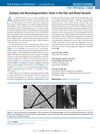
October 2018 in “The journal of pediatrics/The Journal of pediatrics” The document concludes that specific hair and blood vessel abnormalities in infants with seizures and developmental issues may indicate Menkes disease, which lacks a cure and is often fatal by age 3.
 50 citations
,
October 1986 in “European journal of pediatrics”
50 citations
,
October 1986 in “European journal of pediatrics” A boy with severe Vitamin D-resistant rickets did not respond to treatment and lacked a common symptom, suggesting a need for alternative treatments.