Search
for
Sort by
Research
180-210 / 1000+ resultsresearch Disturbed Keratinocyte Differentiation in Transgenic Mice and Organotypic Keratinocyte Cultures as a Result of Spermidine/Spermine N1-Acetyltransferase Overexpression
Overexpression of SSAT causes hair loss and skin issues, but reducing putrescine can help.
research Crystalluria with sulphadiazine
Sulphadiazine can cause crystals to form in urine.
research Structure and hair follicle-specific expression of genes encoding the rat high sulfur protein B2 family
The B2 genes are crucial for hair growth in rats.
research Steroid Sulfatase Deficiency and Androgen Activation Before and After Puberty
In STSD patients, the body compensates for low androgen levels by increasing another enzyme's activity.
research Cell Type-specific Functions of the Lysosomal Protease Cathepsin L in the Heart
Cathepsin L is essential for heart health and its absence causes heart problems and hair loss.
research Clinical, biochemical and mutational findings in biotinidase deficiency among Malaysian population
Some children in Malaysia with symptoms have either profound or partial biotinidase deficiency, and early testing and treatment are important.
research Structural and dynamic insights into substrate binding and catalysis of human lipocalin prostaglandin D synthase
The research explains how a human enzyme binds and processes its substrate, which could relate to its role in biological functions and hair loss.
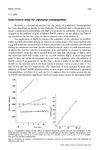
research Colorimetric assay for γ-glutamyl transpeptidase
The document concludes that measuring γ-glutamyl transpeptidase activity is more accurate with a higher substrate concentration and using diluted acetic acid to stop the reaction.
research Over-expression of TSPO in the hippocampal CA1 area alleviates cognitive dysfunction caused by lipopolysaccharide in mice
Increasing TSPO in the brain may help improve memory problems.
research Cysteine contents of purified human hair low-sulfur protein components

research Lysine Carboxymethyl Cysteinate (LCC) Protects the Epidermis from UVB-Induced Barrier Damage Through the Activation of Autophagy
Lysine carboxymethyl cysteinate (LCC) protects skin from UVB damage by activating autophagy.

research Physiologic functions of PP2A: Lessons from genetically modified mice
Mice studies show that Protein Phosphatase 2A is crucial for cell growth, development, and disease prevention.
research Dramatic Clinical Improvement With Biotin Mega‐Dose Therapy in a Neonate With Holocarboxylase Synthetase Deficiency
Biotin mega-dose therapy led to dramatic improvement in a newborn with a rare metabolic disorder.
research Evolving CRBN ligands enhance the drug-like properties of protein degraders
Improved CRBN ligands make protein degraders more effective and drug-like.
research Peptide-Based PROTACs: Transitioning from Static Paradigm to a Dynamic Landscape within Targeted Protein Degradation
Peptide-based PROTACs show promise in targeting hard-to-treat proteins, especially for cancer therapy.
research A Japanese case of ichthyosis follicularis with atrichia and photophobia syndrome with an MBTPS2 mutation
A Japanese patient with IFAP syndrome had a severe MBTPS2 gene mutation but showed milder symptoms than previously observed cases.
research Proteolysis‐Targeting Chimera (PROTAC): Current Applications and Future Directions
PROTACs offer new ways to treat hard-to-target diseases, with promising drugs for cancer in advanced trials.

research Ca 2+ -mediated protein citrullination regulates proliferation in the regenerating and malignant CNS
Ca²⁺-mediated protein citrullination controls cell growth in the CNS and may help treat brain tumors.
research PD05-05 SINGLE CENTRE EXPERIENCE OF CHELATING AGENTS IN CYSTINURIA
Both penicillamine and tiopronin have significant side effects, but trying the alternative drug can be beneficial if the first is not tolerated.
research Combinatorial Biosynthesis of Sulfated Benzenediol Lactones with a Phenolic Sulfotransferase from Fusarium graminearum PH-1
A fungal enzyme was used to make compounds more soluble, aiding drug discovery and crop protection.
research The occurrence of the ε-(γ-glutamyl)lysine cross-link in the medulla of hair and quill

research Bi-allelic Mutations in LSS, Encoding Lanosterol Synthase, Cause Autosomal-Recessive Hypotrichosis Simplex
Mutations in the LSS gene cause a rare type of hereditary hair loss.
research Palmitoylethanolamide Stimulation Induces Allopregnanolone Synthesis in C6 Cells and Primary Astrocytes: Involvement of Peroxisome-Proliferator Activated Receptor-α
PEA boosts allopregnanolone production and reduces oxidative stress in brain cells.

research PSAT330 Excess Iodine Intake From a Cystic Fibrosis Supplement Induces Symptomatic Hypothyroidism
Excessive iodine from a cystic fibrosis supplement can cause hypothyroidism.
research In utero Diagnosis of Trichothiodystrophy by Endoscopically-Guided Fetal Eyebrow Biopsy
Prenatal diagnosis of trichothiodystrophy is possible in the second trimester using fetal eyebrow biopsy, with sulfur content analysis being more reliable.

research The First Syntheses of 16β-Chloro- and 16β-Bromo-cyproterone Acetate
Scientists made two new chemicals that might help treat diseases caused by male hormones.
research Independent DSG4 frameshift variants in cats with hair shaft dystrophy
Cats with abnormal hair had DSG4 gene changes causing hair problems.

research Biochemical and Structural Characteristics, Gene Regulation, Physiological, Pathological and Clinical Features of Lipocalin-Type Prostaglandin D2 Synthase as a Multifunctional Lipocalin
Lipocalin-Type Prostaglandin D2 Synthase (L-PGDS) is a protein that plays many roles in the body, including sleep regulation, pain management, food intake, and protection against harmful substances. It also affects fat metabolism, glucose intolerance, cell maturation, and is involved in various diseases like diabetes, cancer, and arthritis. It can influence sex organ development and embryonic cell differentiation, and its levels can be used as a diagnostic marker for certain conditions.
research Serine-rich ultra high sulfur protein gene expression in murine hair and skin during the hair cycle.
Two specific genes are more active during hair growth in mice.