2 citations
,
August 2023 in “Molecules” SH-340 may improve skin barrier and help treat atopic dermatitis.
 116 citations
,
April 2002 in “American journal of veterinary research”
116 citations
,
April 2002 in “American journal of veterinary research” Trilostane effectively and safely treats dogs with pituitary-dependent hyperadrenocorticism, improving symptoms and adrenal gland size.
April 2019 in “The journal of investigative dermatology/Journal of investigative dermatology” A synthetic sandalwood odorant can boost antimicrobial production in hair follicles, making them more resistant to bacteria.
 March 1998 in “Journal of dermatological science”
 Diphencyprone initially increases mouse hair growth, then slows it, possibly due to changes in specific protein levels.

Cepharanthine and tetrandrine show promise as COVID-19 drugs.
 45 citations
,
June 2008 in “Journal of pharmaceutical and biomedical analysis”
45 citations
,
June 2008 in “Journal of pharmaceutical and biomedical analysis” The method effectively identifies banned substances in hair loss and skin disease cosmetics.
9 citations
,
December 2021 in “Molecules” Certain compounds in three Polynesian plants may help hair growth.
August 2019 in “Pharmacoscript” The 3:2 combination of pandanus and sansevieria leaf extracts promotes the best hair growth.
 37 citations
,
February 2009 in “Bioorganic & Medicinal Chemistry”
37 citations
,
February 2009 in “Bioorganic & Medicinal Chemistry” Finasteride complexes with HPβCD and polymers improve solubility, potentially enhancing hair loss treatment.
 December 2025 in “Zenodo (CERN European Organization for Nuclear Research)”
 Tridax procumbens is a promising herb for developing safe, affordable plant-based medicines.
 13 citations
,
January 2005 in “Chemical and Pharmaceutical Bulletin”
13 citations
,
January 2005 in “Chemical and Pharmaceutical Bulletin” Smaller substituents at C-17 enhance the inhibitory activity of progesterone derivatives on 5alpha-reductase.
 January 2011 in “Journal of Society of Cosmetic Chemists of Japan”
 18-MEA and SPDA can restore damaged hair's smoothness and reduce frizz.
April 2026 in “Journal of Ethnopharmacology” 4 citations
,
October 2024 in “Heliyon” CYP154C7 enzyme can effectively modify steroids and is promising for commercial use.
9 citations
,
January 2021 in “Mediators of Inflammation” 15d‐PGJ2 cream protects against UVB-induced skin damage in mice.
January 2018 in “한국피부장벽학회지” DHCer levels in hair could be a biomarker for alopecia progression.
8 citations
,
November 2019 in “International Journal of Pharmaceutics” The method improves acne treatment by enhancing drug delivery and reducing skin irritation.
32 citations
,
March 2009 in “AAPS PharmSciTech” 
Candlenut oil nanoemulsion increases hair growth in male rats and remains stable for 14 days at room temperature.
 January 2017 in “Rasayan journal of Chemistry”
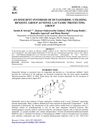
 Researchers created a new, efficient way to make Dutasteride, a hair loss and prostate drug, with high purity using a benzoyl group.
9 citations
,
March 2005 in “International Journal of Cosmetic Science” The torsional method effectively evaluates hair damage and the performance of hair care ingredients.
16 citations
,
April 2000 in “Contact dermatitis” A man developed severe skin reactions after using a treatment for hair loss.
January 2012 in “Journal of Investigative Dermatology” 17 citations
,
December 2015 in “Bioorganic & Medicinal Chemistry” 3-tetrazolo steroidal analogs can strongly inhibit the enzyme linked to hair loss.
 March 2005 in “Journal of The American Academy of Dermatology”
 Diphencyprone treatment protocols could be simplified as no harm occurred despite not fully following them.
 2 citations
,
May 2021 in “Clinical Pharmacology in Drug Development”
2 citations
,
May 2021 in “Clinical Pharmacology in Drug Development” Clascoterone is safe for the heart, even at high doses.
2 citations
,
September 1992 in “Steroids” New A-homo-B, 19-dinor steroids showed strong antiandrogenic activity without affecting the enzyme 5α-reductase or androgen receptor binding.
 6 citations
,
April 2004 in “Journal of Enzyme Inhibition and Medicinal Chemistry”
6 citations
,
April 2004 in “Journal of Enzyme Inhibition and Medicinal Chemistry” New progesterone-based compounds can block male hormones.
 13 citations
,
January 2017 in “Chemical & Pharmaceutical Bulletin”
13 citations
,
January 2017 in “Chemical & Pharmaceutical Bulletin” Certain compounds, especially those with a propionic substituent, could potentially be new treatments for hair loss and similar disorders.
5alpha-DHP may be a safe, effective treatment for certain seizures without causing sedation.