 July 2021 in “International journal of dermatology, venereology and leprosy sciences”
 Diphenylcyclopropenone is more effective and has fewer side effects than dinitrochlorobenzene for treating alopecia areata.
More research is needed to confirm the long-term effects of oral drugs for chronic central serous chorioretinopathy.
3 citations
,
May 1963 in “Radiology” Thallium poisoning can be identified through radiological signs and treated effectively with B.A.L.
 15 citations
,
November 2022 in “Cell Death and Disease”
15 citations
,
November 2022 in “Cell Death and Disease” CEP135 may predict cancer outcomes, and targeting PLK1 could help treat certain sarcomas.
3 citations
,
January 2012 in “American Journal of Analytical Chemistry” A new method effectively analyzes Finasteride and its impurities, even under stress conditions.
1 citations
,
June 2014 in “Annales de Toxicologie Analytique” Hair analysis alone can't confirm long-term drug exposure in children under 1 year old.
 17 citations
,
January 2021 in “Agrobiological Records”
17 citations
,
January 2021 in “Agrobiological Records” Allethrin caused harmful effects and organ damage in rats, worsening with higher doses and longer exposure.
7 citations
,
September 2024 in “International Journal of Molecular Sciences” PCOS involves high 11-oxygenated androgens and BPA may worsen it, while IH is not inflammatory.
 17 citations
,
January 2012 in “IOSR Journal of Environmental Science Toxicology and Food Technology”
17 citations
,
January 2012 in “IOSR Journal of Environmental Science Toxicology and Food Technology” High doses of Tridax procumbens extract can be toxic, affecting liver and kidneys.
 November 2023 in “Journal of Drugs in Dermatology”
 Hypochlorous acid spray improves wound healing and reduces redness and itching in hair transplant surgery.
2 citations
,
May 2016 in “Journal of Clinical Oncology” Topical calcitriol may reduce hair loss from chemotherapy at higher doses.
55 citations
,
August 2012 in “Resources and Environment” Landfill leachate harms liver and kidneys in rats, posing health risks.
2 citations
,
January 2017 in “Journal of veterinary emergency and critical care” A dog's facial chemical burn healed in 84 days with conservative treatment.
16 citations
,
October 2013 in “Anais Brasileiros de Dermatologia” Scalp condition healed with prednisone and tacrolimus.
Cadd4 effectively reduces cholesterol levels without side effects.
12 citations
,
November 2022 in “Toxics” EtG in hair can help detect alcohol use but may be inaccurate in people with certain health conditions.
 27 citations
,
March 2018 in “Fertility and Sterility”
27 citations
,
March 2018 in “Fertility and Sterility” Women with PCOS who had antiandrogenic treatment before pregnancy had fewer complications than those without treatment.
 5 citations
,
January 2014 in “Asian Journal of Chemistry”
5 citations
,
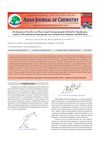
January 2014 in “Asian Journal of Chemistry” Researchers developed a quick and reliable method to test for betamethasone dipropionate and calcipotriol in ointments and drugs.
26 citations
,
October 2019 in “JNCI Cancer Spectrum” Talazoparib is more effective than standard chemotherapy for advanced breast cancer with BRCA mutations.
 22 citations
,
March 2000 in “Clinical endocrinology”
22 citations
,
March 2000 in “Clinical endocrinology” Most patients experienced hirsutism again after stopping hormone treatment, indicating long-term treatment is needed to maintain results.
 1 citations
,
June 2025 in “Environmental Research”
1 citations
,
June 2025 in “Environmental Research” Most women had adequate essential elements except zinc, and lead levels were higher in peri-/post-menopausal women.
Regular monitoring helps manage porphyria cutanea tarda effectively.
January 2015 in “Georg Thieme Verlag eBooks” Chemical peeling and dermabrasion improve skin texture and appearance when done correctly.
 June 2026 in “HAL (Le Centre pour la Communication Scientifique Directe)”
 SH‑1 is safer for cosmetic use than PP405.
 58 citations
,
March 1985 in “Journal of The American Academy of Dermatology”
58 citations
,
March 1985 in “Journal of The American Academy of Dermatology” The document concludes that electrolysis and thermolysis can permanently remove hair but calls for better regulation to ensure safety, and notes a possibility of hair regrowth and rare complications.
 June 2023 in “Benha Journal of Applied Sciences”
 People with chronic hair shedding have lower antioxidant levels in their blood compared to healthy individuals.
September 2021 in “Journal of the American Academy of Dermatology” CTCL patients can safely continue treatment during COVID-19 with proper safety measures.
July 2024 in “Journal of Investigative Dermatology” Taxane chemotherapy can cause permanent hair loss by damaging hair follicles and altering their DNA.
 March 1965 in “Hospital Topics”
 Chemotherapy provides symptom relief and extends life in 30-50% of gynecological cancer cases, but has only cured choriocarcinoma.
 October 2023 in “Journal of Molecular Liquids”
 A new method using imidazole-based liquids efficiently extracts keratin from yak hair.