 June 2006 in “British Journal of Dermatology”
 Lower adrenal hormone levels may cause hair loss in postmenopausal women, certain patterns help diagnose nail cancer, and a gene variant linked to higher skin cancer risk in kidney transplant patients suggests monitoring folate levels.
 April 2006 in “Current Opinion in Endocrinology & Diabetes”
 Testosterone therapy can help improve sexual function, mood, and bone density in women with low androgen levels, but more research is needed on long-term safety.

Tacrolimus causes fewer acute rejections than cyclosporin A in kidney transplants but doesn't necessarily improve kidney function after one year; cardiovascular risks and side effects vary between the two drugs.
 September 2004 in “Atlas of the Oral and Maxillofacial Surgery Clinics”
 Hair restoration surgery techniques can effectively treat scalp deformities and have evolved to provide natural-looking results.
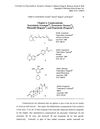
Isotretinoin and tazarotene help treat acne, while minoxidil and finasteride promote hair growth.
 May 2002 in “British Journal of Dermatology”
 A pregnant woman's skin condition improved after giving birth, possibly due to high estrogen levels during pregnancy.
 January 1998 in “Lasers in Surgery and Medicine”
 Lasers are effective and safe for various medical treatments, including cancer, wound healing, and skin conditions.
 March 1997 in “The American Journal of Cosmetic Surgery”
 A new hair transplant method showed promising results and a study found how deep a CO₂ laser can penetrate skin.
 June 1996 in “Irish Journal of Medical Science (1971 -)”
 The document summarizes medical findings on topics like heart rhythm treatment, sleep apnea therapy, and various health conditions and treatments.
 September 1995 in “American Journal of Contact Dermatitis”
 Antiyeast treatments work better for seborrheic dermatitis than steroids, and other findings include increased skin bacteria under plastic wrap, a nasal cell defect in Staphylococcus aureus carriers, quick resolution of certain skin reactions, high rubber latex allergy in spina bifida patients, and glyceryl monopentadecanoate's effectiveness for male hair loss.
 January 1989 in “Side effects of drugs annual”
 Some cancer and immune system drugs can cause serious side effects, including heart, lung, nerve, and organ damage, which need careful monitoring and management.
 January 1987 in “Side effects of drugs annual”
 Some cosmetics and dermatological drugs can cause allergic reactions and side effects, like skin irritation and systemic issues.
 January 2016 in “Ankara Üniversitesi Tıp Fakültesi mecmuası”
 Severe hair loss (androgenetic alopecia) is linked to higher risk of heart disease (cardiovascular atherosclerosis).
 May 2004 in “Pediatric Dermatology”
 Atopic dermatitis may have genetic causes and can be treated with pharmacologic methods, glycerin creams, and controlling Staphylococcus aureus colonization.
 August 2002 in “Dermatologic Surgery”
 Fluridil safely promotes hair growth in men with androgenetic alopecia.
 May 2002 in “British Journal of Dermatology”
 Hair loss caused by longer latent hair cycle and sudden miniaturization, not gradual follicle size reduction.
 282 citations
,
October 2006 in “The Journal of Clinical Endocrinology and Metabolism”
282 citations
,
October 2006 in “The Journal of Clinical Endocrinology and Metabolism” The Endocrine Society advised against routine testosterone therapy for women, citing a need for more research on long-term safety and a clear definition of androgen deficiency.
 152 citations
,
April 2012 in “Recent Patents on Inflammation & Allergy Drug Discovery”
152 citations
,
April 2012 in “Recent Patents on Inflammation & Allergy Drug Discovery” Minoxidil treats hair loss, promotes growth, has side effects, and has recent patents.
 81 citations
,
May 2007 in “Fertility and Sterility”
81 citations
,
May 2007 in “Fertility and Sterility” Testosterone therapy seems safe for postmenopausal women for a few years, but more research is needed for long-term effects.
 21 citations
,
January 2023 in “Biomaterials Science”
21 citations
,
January 2023 in “Biomaterials Science” Microneedle patches with alpha-arbutin and resveratrol can effectively reduce skin pigmentation without irritation.
 10 citations
,
October 2010 in “Hepatology”
10 citations
,
October 2010 in “Hepatology” Certain liver diseases respond well to specific treatments and have varying risks for liver cancer.
 236 citations
,
July 2001 in “Trends in Molecular Medicine”
236 citations
,
July 2001 in “Trends in Molecular Medicine” Future hair loss treatments should aim to extend hair growth, reactivate resting follicles, reverse shrinkage, and possibly create new follicles, with gene therapy showing promise.
 November 2025 in “Frontiers in Immunology”
 Immune cells are crucial for normal skin development and their dysfunction can cause skin disorders.
 June 2025 in “International Journal of Cosmetic Science”
 Keratin-encapsulated liposomes effectively repair and protect UV-damaged hair.
79 citations
,
December 2017 in “Cosmetics” Effective sunscreen formulations can reduce skin absorption and enhance protection.
 November 2020 in “Ukraïnsʹkij žurnal sučasnih problem toksikologìï”
 Minoxidil lotion may harm male reproductive health.
15 citations
,
February 2014 in “Toxicology Letters” Coumarin derivatives cause skin irritation, but coumarin itself does not.
1 citations
,
October 2023 in “International Journal of Women s Health” Wearing a hijab doesn't affect scalp health if worn dry and without existing scalp issues.
Certain chemicals and drugs can cause hair loss.
June 2004 in “Journal of Investigative Dermatology” Increased pigmentation may protect skin from UVB, new targets for skin disease treatments were identified, sunscreen ingredients don't affect hormones, TNF-α inhibitors may help diabetic wounds, and certain treatments could prevent chemotherapy-induced hair loss.