 87 citations
,
July 2009 in “The journal of investigative dermatology/Journal of investigative dermatology”
87 citations
,
July 2009 in “The journal of investigative dermatology/Journal of investigative dermatology” Human beard hair medulla contains a unique and complex mix of keratins not found in other human tissues.
 66 citations
,
August 2001 in “Experimental Dermatology”
66 citations
,
August 2001 in “Experimental Dermatology” Human hair follicle cells can grow hair when put into mouse skin if they stay in contact with mouse cells.
 63 citations
,
October 2011 in “Archives of Dermatology”
63 citations
,
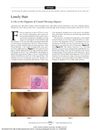
October 2011 in “Archives of Dermatology” Isolated long hairs at the original hairline can help diagnose Frontal Fibrosing Alopecia.
 September 1997 in “Journal of The European Academy of Dermatology and Venereology”
 Examining scalp tissue under a microscope helps diagnose and understand hair loss diseases.
 February 2026 in “International Journal of Molecular Sciences”
 Muscarinic acetylcholine receptors in skin cells help regulate and promote hair growth.
 38 citations
,
September 2014 in “Cell and Tissue Research”
38 citations
,
September 2014 in “Cell and Tissue Research” The hair follicle infundibulum plays a key role in skin health and disease, and understanding it better could lead to new skin disease treatments.
25 citations
,
July 1994 in “Journal of dermatological science” Testosterone affects hair follicles differently across body sites, with beard hair follicles showing more activity of a specific enzyme and presence of androgen receptors compared to scalp hair.
1 citations
,
June 2006 in “Experimental dermatology” The conclusion suggests that early signs of hidradenitis suppurativa may start in the hair follicle, with genetic and immune factors playing a role, highlighting the need for more research on the hair follicle's immune system.
 25 citations
,
April 2008 in “Archives of Dermatological Research”
25 citations
,
April 2008 in “Archives of Dermatological Research” Encapsulated human hair cells can substitute for natural hair cells to grow hair.
February 2018 in “bioRxiv (Cold Spring Harbor Laboratory)” Rodent spiny hair traits are due to genetic factors other than the Edar gene.
110 citations
,
January 2014 in “Journal of Controlled Release” Phospholipid-coated nanoparticles penetrate hair follicles better than others, especially in pig ears.
1 citations
,
January 1997 in “Skin Pharmacology and Physiology” Premature infants have less elastic hair than full-term infants.
1 citations
,
June 1998 in “Journal of Forestry Research” Mammalian hair scales change from smooth to wavy due to friction.
24 citations
,
January 1989 Human papilla cells from hair follicles show unique growth behaviors but don't induce hair growth in vitro.
 3 citations
,
April 1981 in “PubMed”
3 citations
,
April 1981 in “PubMed” Hair implants can cause infections, allergic reactions, itching, and scarring.
10 citations
,
March 1973 in “Journal of Investigative Dermatology”  9 citations
,
August 2014 in “The Journal of Dermatology”
9 citations
,
August 2014 in “The Journal of Dermatology” Scalp areas that look normal in people with hair loss may still show signs of disease under a microscope.
Hairlessness in mammals is due to complex genetic changes in both genes and regulatory regions.
 1 citations
,
September 2020 in “Journal of Dermatological Science”
1 citations
,
September 2020 in “Journal of Dermatological Science” The gene LRRC15 is more active in balding areas of the scalp compared to non-balding areas.
 28 citations
,
March 2016 in “Toxicologic pathology”
28 citations
,
March 2016 in “Toxicologic pathology” Dogs could be good models for studying human hair growth and hair loss.
109 citations
,
April 1997 in “Archives of Dermatological Research” Mast cell and nerve fiber interactions in mouse skin change with the hair cycle.
 1 citations
,
June 1979 in “The Journal of Dermatologic Surgery and Oncology”
1 citations
,
June 1979 in “The Journal of Dermatologic Surgery and Oncology” Doctors successfully rebuilt a sideburn using skin and hair from near the ear in one surgery.
 2 citations
,
October 2022 in “The journal of investigative dermatology/Journal of investigative dermatology”
2 citations
,
October 2022 in “The journal of investigative dermatology/Journal of investigative dermatology” AIRE deficiency causes hair loss similar to alopecia areata in mice.
 October 2023 in “Indian dermatology online journal”
 The young woman has a benign, hereditary skin condition with no signs of a more serious syndrome.
Asian hair's unique features make hair loss management and surgery more challenging.
 1 citations
,
February 2023 in “Journal of the American Board of Family Medicine”
1 citations
,
February 2023 in “Journal of the American Board of Family Medicine” Primary care should recognize and treat hair loss in hijab-wearing individuals with cultural sensitivity.
January 2013 in “Digital Repository (National Repository of Grey Literature)” Hair loss negatively affects self-esteem and identity.
January 2025 in “Medical Research Archives” A new classification and scoring system is needed for alopecia areata to better assess severity.
January 2006 in “Chinese Journal of Medical Aesthetics and Cosmetology” Microencapsulated human hair cells can successfully grow new hair follicles in mice.