 1 citations
,
October 2023 in “Journal of the Pakistan Medical Association”
1 citations
,
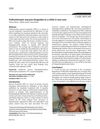
October 2023 in “Journal of the Pakistan Medical Association” Folliculotropic mycosis fungoides can occur in children and is diagnosed with specific tests, but often stays in early stages with treatment.
 April 2019 in “Journal of Investigative Dermatology”
 The PROCLIPI study found markers that help predict outcomes in skin lymphoma patients.
 May 2024 in “Australasian journal of dermatology”
 A man with a type of skin lymphoma had unusual yellowish skin growths despite normal blood lipid levels, and treatment reduced some symptoms but not the growths.
July 2026 in “Journal of Investigative Dermatology” September 2016 in “Journal of Dermatological Science” Hair follicles produce IL-7, which is essential for certain skin lymphoma cells to survive.
 6 citations
,
July 2009 in “Veterinary dermatology”
6 citations
,
July 2009 in “Veterinary dermatology” Vesiculobullous lesions should be considered part of canine cutaneous epitheliotropic T-cell lymphoma.
 April 2025 in “Veterinary Dermatology”
 Dermoscopy is useful for identifying skin lesions in dogs, with specific features distinguishing infundibular keratinising acanthomas from follicular cysts.
 3 citations
,
April 2019 in “The journal of investigative dermatology/Journal of investigative dermatology”
3 citations
,
April 2019 in “The journal of investigative dermatology/Journal of investigative dermatology” ILC1 cells contribute to hair loss in alopecia areata.
 August 2021 in “Acta Haematologica Polonica”
 Folliculotropic mycosis fungoides has a worse prognosis than other types, with survival rates varying significantly based on subtype and organ involvement.
 8 citations
,
September 2016 in “The American Journal of Dermatopathology”
8 citations
,
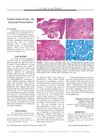
September 2016 in “The American Journal of Dermatopathology” Enlarged sweat gland ducts may indicate scarring hair loss.
December 2024 in “Skin Appendage Disorders” Accurate diagnosis and treatment improved symptoms in a patient with alopecia linked to mycosis fungoides.
Scalp involvement in primary cutaneous lymphomas is common and can be aggressive, requiring careful attention.
Anifrolumab helped a woman with severe lupus achieve remission when other treatments failed.
 1 citations
,
May 2025 in “The Journal of Rheumatology”
1 citations
,
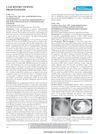
May 2025 in “The Journal of Rheumatology” Careful monitoring is crucial to prevent JC virus reactivation in lupus patients treated with rituximab.
February 2026 in “World Academy of Sciences Journal” Lymphoma should be considered in unusual scalp hair loss cases, as treatment can work but may lead to severe complications.
6 citations
,
March 2005 in “Journal of the American Academy of Dermatology” Follicular dystrophy in immunocompromised patients may be linked to medication or viral factors and can improve with treatment changes.
 4 citations
,
April 2016 in “Journal of The American Academy of Dermatology”
4 citations
,
April 2016 in “Journal of The American Academy of Dermatology” A patient with advanced kidney cancer and no hepatitis C developed skin inflammation due to a drug called interferon alpha-2a.
ILC1-like cells can independently cause alopecia areata by affecting hair follicles.
53 citations
,
September 2013 in “Journal of Investigative Dermatology” Hair follicle cells help protect against immune attacks by regulating T-cell activity.
 March 2004 in “Journal of The American Academy of Dermatology”
 Patients with SLE experienced non-scarring hair loss with fewer hair follicles, and DIF did not help identify lupus.
December 2025 in “Journal of Investigative Dermatology” Immune system issues may contribute to female pattern hair loss.
December 2025 in “Fertility and Sterility” Both LNG-IUD and systemic progestins are effective for fertility-sparing treatment, but close monitoring is needed due to recurrence risk.
 April 2026 in “American Journal of Dermatopathology”
 Increased blood vessel growth in lichen planopilaris may signal active disease needing aggressive treatment.
 25 citations
,
March 2013 in “British Journal of Dermatology”
25 citations
,
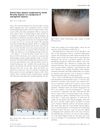
March 2013 in “British Journal of Dermatology” Woman has discoid lupus, frontal fibrosing, and androgenetic alopecia.
32 citations
,
July 2001 in “Journal of the American Academy of Dermatology” SLHA can be hard to diagnose and needs teamwork between specialists.
18 citations
,
February 2023 in “eLife” ILC1-like cells can independently cause alopecia areata.
 3 citations
,
May 2019 in “BMJ case reports”
3 citations
,
May 2019 in “BMJ case reports” A boy with severe immune deficiency and Epstein-Barr virus died from high-grade B-cell lymphoma.
 14 citations
,
January 2012 in “International Journal of Trichology”
14 citations
,
January 2012 in “International Journal of Trichology” Hodgkin's lymphoma can show up as hair loss.
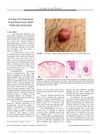 1 citations
,
February 2017 in “The American journal of dermatopathology/American journal of dermatopathology”
1 citations
,
February 2017 in “The American journal of dermatopathology/American journal of dermatopathology” A man with a skin nodule was diagnosed with a rare skin condition called cutaneous focal mucinosis, which can be confused with other skin cancers.

A patient with patchy hair loss was successfully treated for Tumid Lupus Erythematosus after other treatments failed.