 December 2022 in “Research Square (Research Square)”
 Key genes linked to immune response are upregulated in hair follicles and skin tissues in chronic discoid lupus erythematosus.
 January 2021 in “American journal of dermatological research and reviews”
 The muscle damage was caused by T-cell large granular lymphocytic leukemia, not dermatomyositis.
2 citations
,
September 2018 in “JAAD case reports” A rare type of skin cancer with mucosal involvement was partially treated but eventually relapsed.
28 citations
,
October 1984 in “Journal of Investigative Dermatology” 1 citations
,
February 2019 in “bioRxiv (Cold Spring Harbor Laboratory)” Lymphatic vessels are essential for hair follicle regeneration and growth.
 May 2025 in “The Journal of Rheumatology”
 SLE can cause unusual gastrointestinal symptoms, and immunosuppressive therapy can be effective.
 5 citations
,
June 2001 in “Annals of Internal Medicine”
5 citations
,
June 2001 in “Annals of Internal Medicine” Rituximab effectively treated a woman's bone lymphoma that was resistant to other treatments.
35 citations
,
July 1977 in “PubMed” SLE affects lungs and kidneys similarly due to immune complexes.
5 citations
,
October 2012 in “Veterinary Pathology” A Doberman Pinscher had a rare form of autoimmune disease causing hair loss and other severe symptoms.
 December 2023 in “Curēus”
 A woman with lupus had rare severe symptoms but improved with treatment.
 9 citations
,
September 2006 in “Veterinary pathology”
9 citations
,
September 2006 in “Veterinary pathology” A dog with unusual skin lesions near its tail was successfully treated for a rare form of lupus.
15 citations
,
January 2018 in “Journal of Cutaneous Medicine and Surgery” It's important to understand the differences between FMF and PFM in children.
 19 citations
,
June 2007 in “Veterinary Dermatology”
19 citations
,
June 2007 in “Veterinary Dermatology” Amitraz effectively treated sarcoptic mange in three alpacas.
16 citations
,
December 2001 in “The Journal of Dermatology” A woman recovered from hair loss and skin eruptions after stopping a tuberculosis drug and using steroids.
April 2010 in “Cancer Research” Basal cell carcinomas may use IDO to protect themselves from the immune system.
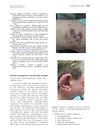
A 72-year-old man was diagnosed with a rare skin form of Rosai-Dorfman disease after years of misdiagnosis.
July 2019 in “Zenodo (CERN European Organization for Nuclear Research)” Follicular mucinosis in a 15-year-old is usually harmless but needs monitoring for possible lymphoma.
14 citations
,
January 2014 in “Annals of Dermatology” Some cases of folliculotropic mycosis fungoides may progress slowly and not need aggressive treatment.
 October 2022 in “Research Square (Research Square)”
 Key genes linked to immune response are highly active in lupus-affected hair follicles.
2 citations
,
December 2011 in “[Thesis]. Manchester, UK: The University of Manchester; 2011.” Immune system failure in hair follicles causes lichen planopilaris, leading to hair loss.
2 citations
,
November 2023 in “Indian Dermatology Online Journal” A 4-year-old girl with a rare lupus condition was successfully treated with oral corticosteroids, leading to full recovery and hair regrowth.
 April 2017 in “Journal of Investigative Dermatology”
 Sirolimus and propranolol may reduce abnormal cell growth and improve lymphatic malformations in children.
 1 citations
,
October 2013 in “The Journal of Dermatology”
1 citations
,
October 2013 in “The Journal of Dermatology” Hair loss in a drug reaction case involved both a common shedding phase and an immune attack on hair follicle stem cells.
Lichen planus commonly affects middle-aged adults, often involves limbs and mucosal areas, and can be linked to immune diseases.
10 citations
,
May 2020 in “Dermatologic therapy” Tildrakizumab significantly improved recalcitrant lichen planopilaris and frontal fibrosing alopecia.
 4 citations
,
November 2016 in “Journal of Cutaneous Pathology”
4 citations
,
November 2016 in “Journal of Cutaneous Pathology” Three characteristics of plasmacytoid dendritic cells help tell apart lupus-related hair loss from LPP.
ILC1-like cells may contribute to hair loss in alopecia areata and could be new treatment targets.
October 2021 in “European journal of cancer” Repeated biopsies are crucial for managing lupus panniculitis when initial treatments fail.
 3 citations
,
January 2012 in “Internal Medicine”
3 citations
,
January 2012 in “Internal Medicine” A Rathke's cleft cyst caused hormonal imbalances and symptoms in a 68-year-old woman.
 December 2012 in “Journal of dermatological science”
 Hair follicles help attract immune cells to minor skin injuries.