 19 citations
,
September 2014 in “JAMA Dermatology”
19 citations
,
September 2014 in “JAMA Dermatology” Eosinophilic infiltrate is not a reliable indicator for diagnosing chronic alopecia areata.
 53 citations
,
September 2011
53 citations
,
September 2011 Other common signs, not just the well-known immune cells around hair bulbs, are important for diagnosing hair loss from alopecia areata.
April 2020 in “International Journal of Dermatology” T-cell patterns in skin help distinguish alopecia areata from androgenetic alopecia.
 19 citations
,
December 2001 in “Dermatologic Therapy”
19 citations
,
December 2001 in “Dermatologic Therapy” Horizontal scalp biopsy sections are better for diagnosing alopecia areata, showing fewer hair follicles and more miniaturized hairs.
 1 citations
,
September 2021 in “Journal of The American Academy of Dermatology”
1 citations
,
September 2021 in “Journal of The American Academy of Dermatology” Hair loss in both Androgenetic Alopecia and Alopecia Areata is often accompanied by inflammation around hair follicles, but the location and severity of this inflammation varies.
 January 2023 in “Journal of Cutaneous Pathology”
 The study found certain scalp biopsy features can help tell apart alopecia areata from pattern hair loss even when typical immune cells are not seen.
 January 2012 in “Yearbook of Dermatology and Dermatologic Surgery”
 The study concluded that a 'Swiss cheese' pattern in hair follicles is a useful sign for diagnosing alopecia areata.
 3 citations
,
January 2019 in “Indian Journal of Dermatology”
3 citations
,
January 2019 in “Indian Journal of Dermatology” Transverse scalp biopsy sections help diagnose different alopecias by showing hair follicle details and inflammation patterns.
 35 citations
,
November 2010 in “Journal of Cutaneous Pathology”
35 citations
,
November 2010 in “Journal of Cutaneous Pathology” Dilated follicular infundibula and increased catagen/telogen follicles are key indicators for diagnosing alopecia areata.
 April 2012 in “Informa Healthcare eBooks”
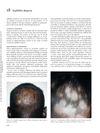
 Syphilitic alopecia is a rare hair loss condition in secondary syphilis that looks similar to another condition but can be diagnosed with specific tests and responds to antibiotics.
25 citations
,
October 1975 in “Journal of Cutaneous Pathology” Hair growth in alopecia areata is hindered due to impaired cell activity in the surrounding tissue.
16 citations
,
February 1999 in “American Journal of Dermatopathology” Lymphocytes may hinder hair stem cells, causing hair loss without scarring.
 2 citations
,
March 2019 in “Journal of Dermatology”
2 citations
,
March 2019 in “Journal of Dermatology” Trichoscopy helped diagnose and treat a woman with two different types of hair loss.
 January 2015 in “Indian Dermatology Online Journal”
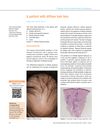
 The patient's hair loss is most likely due to diffuse alopecia areata.
 64 citations
,
July 1997 in “Journal of The American Academy of Dermatology”
64 citations
,
July 1997 in “Journal of The American Academy of Dermatology” Finding eosinophils near hair bulbs helps diagnose alopecia areata.
 9 citations
,
January 2010 in “International Journal of Trichology”
9 citations
,
January 2010 in “International Journal of Trichology” The study found that the cause of alopecia areata can be identified through tissue analysis, and vertical sections are enough for diagnosis.
 8 citations
,
June 2012 in “Australasian Journal of Dermatology”
8 citations
,
June 2012 in “Australasian Journal of Dermatology” A rare form of alopecia causes hair thinning without bald spots and may be more common than thought, responding well to steroid treatment.
 January 2024 in “Pan African Medical Journal”
 Non-scarring hair loss is common in lupus patients and can be diagnosed with specific hair and tissue tests.
 May 2023 in “Tạp chí Da liễu học Việt Nam”
 Histopathological examination is essential for diagnosing alopecia areata.
 23 citations
,
September 2019 in “Dermatology practical & conceptual”
23 citations
,
September 2019 in “Dermatology practical & conceptual” The study concluded that AAI and DAA are forms of the same disease, with different symptoms in men and women, and that corticosteroid treatment is effective.
18 citations
,
April 2010 in “Archives of Dermatology” Psoriasis or contact dermatitis can override alopecia areata, allowing hair growth.
 10 citations
,
March 2014 in “International Journal of Dermatology”
10 citations
,
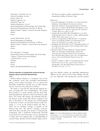
March 2014 in “International Journal of Dermatology” A hand-held dermatoscope helped differentiate between pressure-induced alopecia and alopecia areata in a young patient, who then experienced hair regrowth within a month.
 January 2026 in “International Research Journal of Modernization in Engineering Technology and Science”
 Alopecia areata causes patchy hair loss and is often treated with corticosteroids.
 7 citations
,
January 2012 in “International Journal of Trichology”
7 citations
,
January 2012 in “International Journal of Trichology” Two siblings both had a rare case of alopecia areata at the same time.
 July 2004 in “Dermatologic Surgery”
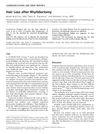
 A woman had temporary hair loss due to a stress-related condition after a facelift.
 31 citations
,
March 2017 in “Journal of The American Academy of Dermatology”
31 citations
,
March 2017 in “Journal of The American Academy of Dermatology” Some breast cancer patients developed permanent hair loss after chemotherapy and hormonal therapy, showing patterns similar to common baldness and alopecia areata.
 7 citations
,
December 2016 in “British Journal of Dermatology”
7 citations
,
December 2016 in “British Journal of Dermatology” The report suggests that hair loss in Cronkhite-Canada syndrome may be caused by alopecia areata incognita, as shown by a patient's improvement with treatment.
 7 citations
,
January 2009 in “Immunological investigations”
7 citations
,
January 2009 in “Immunological investigations” A 3-year-old boy lost all his hair due to a rare reaction to phenobarbital, but it grew back after steroid treatment.
 18 citations
,
January 2017 in “Annals of dermatology/Annals of Dermatology”
18 citations
,
January 2017 in “Annals of dermatology/Annals of Dermatology” Certain immune cells contribute to severe hair loss in chronic alopecia areata, with Th17 cells possibly having a bigger impact than cytotoxic T cells.
7 citations
,
August 2019 in “American Journal of Dermatopathology” Frontal fibrosing alopecia on limbs shows permanent inflammatory hair loss, not typical scarring.