October 1991 in “Archives of Dermatology” The woman has a skin condition involving nodules, scars, and hair loss.
July 2022 in “British Journal of Dermatology” 
A woman in Sri Lanka was diagnosed with lupus after presenting with protein loss from the gut and other symptoms.

Belimumab may cause hair loss in lupus patients.
3 citations
,
January 2022 in “Modern Rheumatology Case Reports” Renal histology is crucial for diagnosing simultaneous SLE and IgG4RD.
 18 citations
,
March 2011 in “Archives of ophthalmology”
18 citations
,
March 2011 in “Archives of ophthalmology” Ringworm around the eyes often gets misdiagnosed, leading to eyelash loss, but antifungal treatment can improve the condition.
4 citations
,
December 1994 in “PubMed” A woman’s skin bumps healed almost completely with tretinoin cream after a leg infection.
6 citations
,
April 2012 in “Muscle & nerve” Recognizing the link between certain autoimmune disorders and neurological conditions can improve diagnosis and treatment.
1 citations
,
August 2019 in “Chinese Medical Journal” A man developed facial skin lesions after a stem cell transplant, which improved with specific treatments.
5 citations
,
October 2012 in “Veterinary Pathology” A Doberman Pinscher had a rare form of autoimmune disease causing hair loss and other severe symptoms.
April 2018 in “Veterinary Pathology” Tigers had a skin condition causing hair loss and inflammation, but the cause is unknown and treatment didn't work.
 August 2023 in “The journal of investigative dermatology/Journal of investigative dermatology”
 Ixekizumab may be an effective first treatment for a rare skin condition causing hair loss.
 5 citations
,
January 2018 in “Indian Dermatology Online Journal”
5 citations
,
January 2018 in “Indian Dermatology Online Journal” A brown shadow seen in dermoscopy is a marker for lichen nitidus.
 December 2024 in “Cermin Dunia Kedokteran”
 Prompt treatment of intraocular foreign bodies is crucial to prevent blindness and improve outcomes.
May 2023 in “bioRxiv (Cold Spring Harbor Laboratory)” The research mapped diverse cell types in mouse lacrimal glands, aiding understanding of gland biology and diseases.
2 citations
,
October 2022 in “Dermatologic Therapy” Baricitinib may effectively treat lichen planopilaris.
 1 citations
,
November 2024 in “Cutis”
1 citations
,
November 2024 in “Cutis” PLLA injections can cause hair loss and skin issues.
19 citations
,
March 2011 in “The Journal of Dermatology” A child's rare skin disease was triggered by chickenpox.
10 citations
,
January 1994 in “Annals of Internal Medicine” CD4+ lymphocytopenia can occur in patients with systemic lupus erythematosus.
220 citations
,
June 2013 in “The Journal of Pathology” Lichen planopilaris may be an autoimmune disease causing hair loss due to immune system issues in hair follicles.
5 citations
,
March 2019 in “Scandinavian journal of rheumatology” Doctors should consider comedonic discoid lupus erythematosus to avoid misdiagnosis.
 November 2021 in “Authorea (Authorea)”
 PRP treatments and hair transplantation may be linked to the progression of pseudolymphoma to lymphoma.
 December 2021 in “Journal of Rheumatic Diseases”
 Early treatment of pediatric lupus-related eye issues is crucial to prevent vision loss.
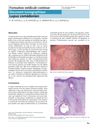 7 citations
,
November 2007 in “Annales de Dermatologie et de Vénéréologie”
7 citations
,
November 2007 in “Annales de Dermatologie et de Vénéréologie” A man was diagnosed with a rare form of lupus after showing unique skin symptoms that responded well to treatment.
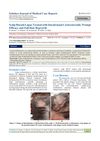 October 2025 in “Scholars Journal of Medical Case Reports”
 Intralesional corticosteroids effectively treat scalp Discoid Lupus and restore hair.
July 2025 in “Dermatology Reports” Dermatologists should recognize diverse discoid lupus signs to avoid misdiagnosis.
15 citations
,
June 2021 in “Medicina” Combined light therapy improves eye health and quality of life for those with meibomian gland dysfunction.
 December 2025 in “Clinical Cosmetic and Investigational Dermatology”
 A rare lupus case on the chin was successfully treated with steroids and immunomodulators after accurate diagnosis using advanced imaging techniques.
 27 citations
,
September 1992 in “The Lancet”
27 citations
,
September 1992 in “The Lancet” ICL is a condition with low CD4+ T cells like AIDS but not caused by HIV, and normal CD4+ T cell counts may vary between men and women.
 1 citations
,
December 2019 in “American journal of ophthalmology. Case reports”
1 citations
,
December 2019 in “American journal of ophthalmology. Case reports” A rare skin condition caused droopy and outward-turning eyelids in a patient.