 129 citations
,
January 2009 in “International Journal of Trichology”
129 citations
,
January 2009 in “International Journal of Trichology” Trichoscopy can diagnose female hair loss with high accuracy by looking for specific patterns in hair and scalp appearance.
 46 citations
,
April 2009 in “Journal of Dermatological Case Reports”
46 citations
,
April 2009 in “Journal of Dermatological Case Reports” Researchers established normal hair and scalp characteristics for healthy women using trichoscopy.
 6 citations
,
January 2012 in “Springer eBooks”
6 citations
,
January 2012 in “Springer eBooks” Trichoscopy is not specific for diagnosing telogen effluvium and both telogen effluvium and androgenetic alopecia often occur together.
 5 citations
,
May 2008 in “Nature Precedings”
5 citations
,
May 2008 in “Nature Precedings” Trichoscopy is a useful non-invasive method to diagnose female hair loss with high accuracy.
 4 citations
,
January 2012 in “Springer eBooks”
4 citations
,
January 2012 in “Springer eBooks” The document concludes that signs of male and female pattern baldness include uneven hair thickness, yellow spots, skin discoloration around hair follicles, more thin and soft hairs, and many hair follicles with just one hair.
3 citations
,
January 2021 in “Medicinski arhiv” Trichoscopy, a hair loss evaluation technique, found that people with Androgenetic Alopecia have more thin hairs, yellow dots, and perifollicular discoloration than healthy individuals.
 2 citations
,
July 2021 in “Dermatologic Therapy”
2 citations
,
July 2021 in “Dermatologic Therapy” A woman's hair loss after COVID-19 was likely due to a mix of pressure-induced alopecia and acute telogen effluvium.
Dermoscopic features can help distinguish female androgenetic alopecia from telogen effluvium and healthy controls.
 February 2009 in “Journal of The American Academy of Dermatology”
 Female hair loss can be diagnosed using specific trichoscopy criteria.
 September 2014 in “Chinese Journal of Dermatology”
 Hair diameter difference, brown skin discoloration around hair follicles, and missing hair in certain areas are key signs of androgenetic alopecia (commonly known as hair loss) when viewed under a dermoscope.
 16 citations
,
January 2017 in “Anais brasileiros de dermatologia/Anais Brasileiros de Dermatologia”
16 citations
,
January 2017 in “Anais brasileiros de dermatologia/Anais Brasileiros de Dermatologia” Managing frontal fibrosing alopecia and lichen planus pigmentosus is challenging due to resistant hair loss and skin discoloration.
 6 citations
,
January 2017 in “Journal of toxicologic pathology”
6 citations
,
January 2017 in “Journal of toxicologic pathology” Rabbit skin with active hair growth shows thicker, redder areas due to larger, more numerous hair follicles and increased blood vessels.
 2 citations
,
June 2018 in “Clinical and Experimental Dermatology”
2 citations
,
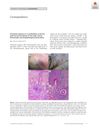
June 2018 in “Clinical and Experimental Dermatology” Permanent hair loss after a stem cell transplant can be a sign of chronic immune system attack on the scalp.
 July 2026 in “International Journal of Innovative Technologies in Social Science”
 Current treatments for keratosis pilaris provide temporary relief, but more research is needed for better solutions.
 3 citations
,
October 2019 in “JAAD Case Reports”
3 citations
,
October 2019 in “JAAD Case Reports” Two patients with lupus had an unusual type of hair loss not typical for the disease but improved with treatment.
 42 citations
,
October 2012 in “Dermatologic Clinics”
42 citations
,
October 2012 in “Dermatologic Clinics” Trichoscopy is a useful tool for diagnosing different hair and scalp diseases without surgery.
 7 citations
,
April 2011 in “Expert review of dermatology”
7 citations
,
April 2011 in “Expert review of dermatology” The document concludes that patients with skin of color need specialized dermatological care and education to manage unique skin conditions effectively.
 1 citations
,
December 2018 in “Journal of Pakistan Association of Dermatology”
1 citations
,
December 2018 in “Journal of Pakistan Association of Dermatology” Dermoscopy is useful for diagnosing different types of hair loss.
 March 2024 in “Journal of clinical medicine”
 Trichoscopy shows hair diameter variability, vellus hairs, and the peripilar sign are key indicators for diagnosing Androgenetic Alopecia.
2 citations
,
January 2021 in “Journal of The American Academy of Dermatology” A simple scalp scraping can effectively distinguish fibrosing alopecia from androgenetic alopecia with seborrheic dermatitis.
1 citations
,
January 2022 in “Skin Appendage Disorders” Lupus erythematosus can mimic alopecia areata, and trichoscopy is key for accurate diagnosis and better patient outcomes.
 August 2016 in “Journal of the Portuguese Society of Dermatology and Venereology”
 Two women with darker skin had both frontal hair thinning and skin discoloration.
 178 citations
,
December 2011 in “Journal of Dermatological Case Reports”
178 citations
,
December 2011 in “Journal of Dermatological Case Reports” Trichoscopy is a useful tool for diagnosing different hair and scalp diseases by their unique visual features.
 May 2026 in “International Journal of Drug Delivery Technology”
 Accurate diagnosis of EFFC is crucial for effective counseling and cosmetic care.
 53 citations
,
May 2010 in “Dermatologic Surgery”
53 citations
,
May 2010 in “Dermatologic Surgery” Hair transplantation may not work for Frontal Fibrosing Alopecia as transplanted hair was lost when the disease came back.
 10 citations
,
January 2013 in “International Journal of Trichology”
10 citations
,
January 2013 in “International Journal of Trichology” More vellus hairs in frontal scalp indicate early female pattern hair loss.
 90 citations
,
July 2008 in “Dermatologic therapy”
90 citations
,
July 2008 in “Dermatologic therapy” Lichen planopilaris is a chronic, scarring hair loss condition with no definitive cure, requiring accurate diagnosis and treatment to manage symptoms.
 4 citations
,
January 2021 in “Postępy Dermatologii i Alergologii”
4 citations
,
January 2021 in “Postępy Dermatologii i Alergologii” Hydroxychloroquine can help treat certain types of hair loss.
 1 citations
,
March 2004 in “Journal of the American Academy of Dermatology”
1 citations
,
March 2004 in “Journal of the American Academy of Dermatology” ZD1839, a cancer drug, can cause mild skin rashes that are treatable without stopping the medication.
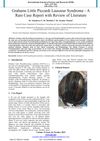 October 2023 in “International Journal of Science and Research (IJSR)”
 Early diagnosis of GLPLS is crucial to prevent complications, but scarring alopecia is irreversible.